dailynewsnblog
Every Wednesday, dive into the Indie Select Hub — your gateway to a fresh, curated indie collection plus four themed spotlights that rotate weekly! You can always find this collection hub in the XBOX Store and on XBOX.com/IndieSelects.
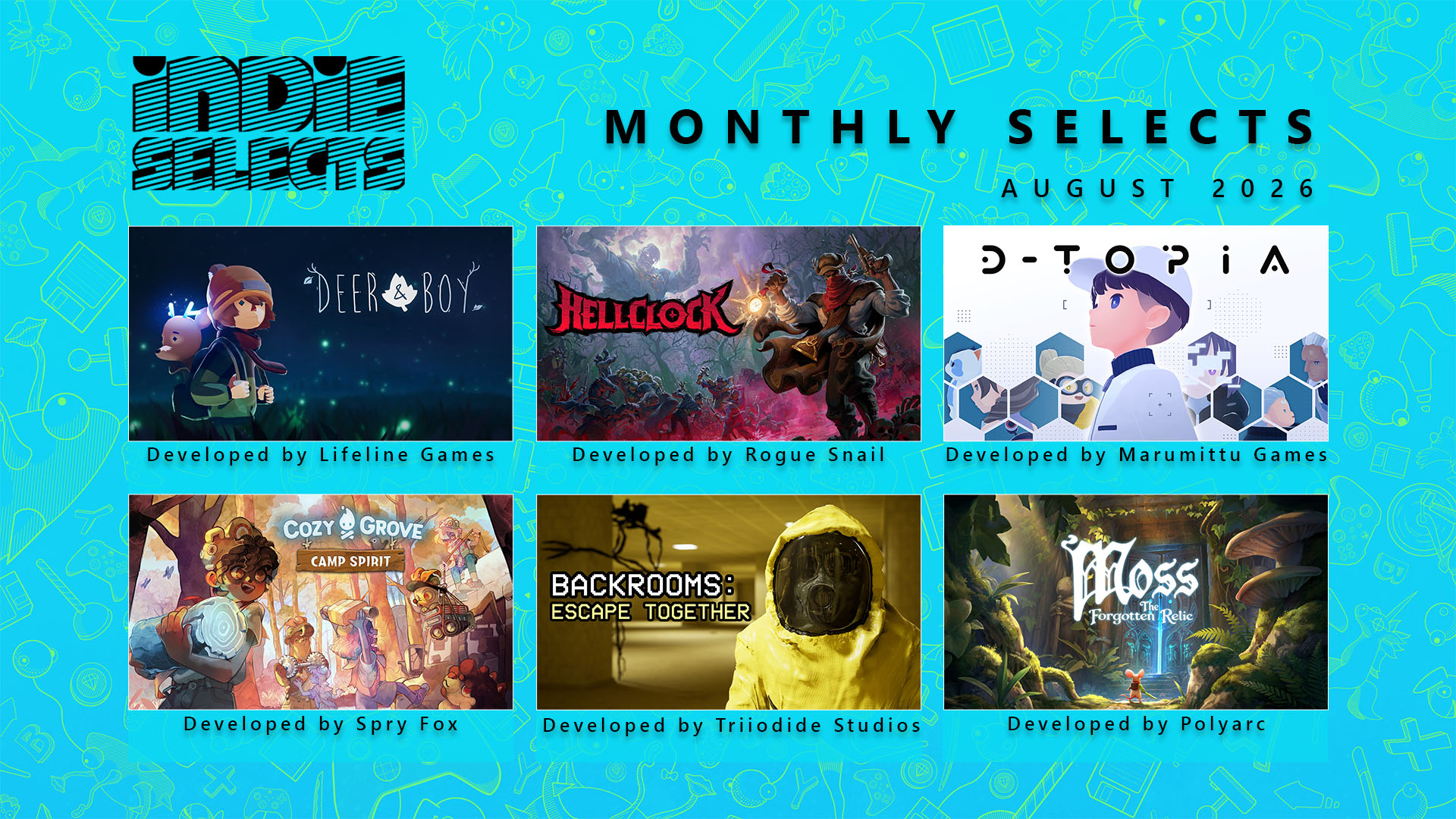
The year is flying by, and summer has brought no shortage of standout games. With so many great releases competing for your attention, choosing what to play next can feel like an adventure of its own. Trust us, we get it. That’s why the ID@XBOX team has handpicked six Indie Selects to help guide your next unforgettable journey.
Whether you’re looking for a cozy escape, a pulse-pounding challenge, or something in between, this month’s lineup has you covered. Expect friendly ghosts and frightening ones, relaxing retreats and high-stakes adventures, with stories both intimate and epic in scale. So trust your instincts, take the leap, and answer the call! August’s Indie Selects are ready when you are. Here’s what we’ve got for you this month (in no particular order):
Deer & Boy
Dear Villagers
$19.99
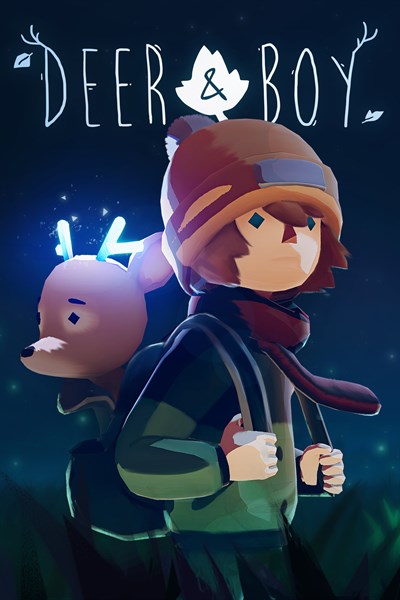
Deer & Boy is a beautiful reminder that some stories don’t need words. There are games that impress you with spectacle, and then there are games that quietly stay with you long after you’ve put the controller down. Deer & Boy is firmly in the second category. It also brings to mind XBOX titles like Ori and the Blind Forest, which similarly uses wordless storytelling, emotional music, and expressive animation to create a deeply moving experience. While Ori leans more into fast-paced platforming and precision, Deer & Boy takes a gentler, more reflective approach, focusing on companionship and emotional growth over challenge.
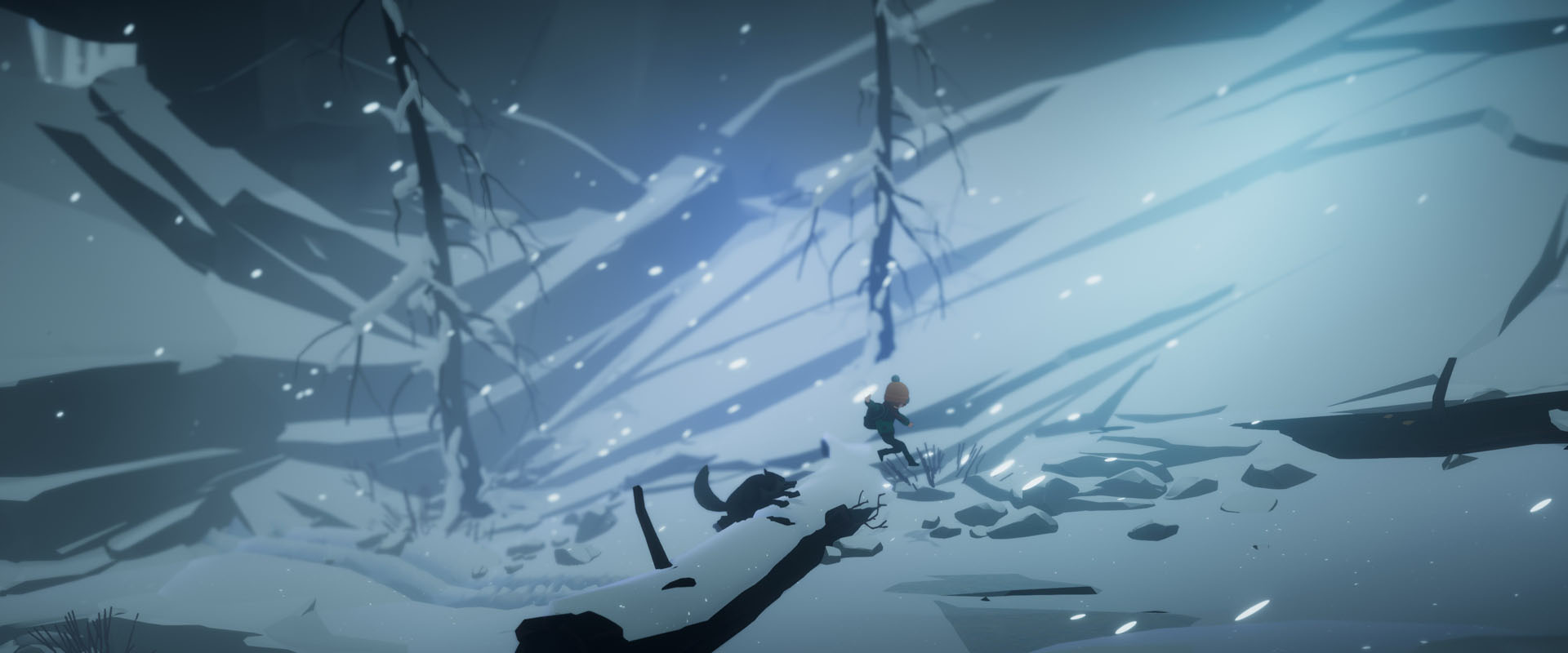
This cinematic adventure tells its story without a single line of spoken dialogue. Instead, every emotion is carried through expressive animation, breathtaking environments, and a beautiful musical score. It feels less like playing a traditional platformer and more like stepping into an animated film where every action carries meaning. You play as a runaway boy who forms an unlikely friendship with a vulnerable fawn. As your journey unfolds, that tiny companion gradually grows into a majestic deer, transforming not only the relationship between the two characters but also how you explore the world and solve puzzles. Early on, you’re the protector. Later, you’re partners, relying on each other’s unique strengths to overcome obstacles.
What surprised me most was how effectively Deer & Boy communicates without dialogue. Every glance, every quiet moment, and every piece of environmental storytelling invites you to interpret the emotions for yourself. That silence becomes one of the game’s greatest strengths, allowing players of all ages to connect with its themes of friendship, healing, loss, and hope in their own way. The platforming and puzzles remain accessible throughout, making the experience welcoming whether you’re looking for a relaxing afternoon adventure or a heartfelt story to share with family. It’s not interested in testing lightning-fast reflexes—it wants you to slow down, observe, and appreciate the journey.
Deer & Boy is proof that some of gaming’s most memorable experiences don’t come from epic battles or endless dialogue trees. Sometimes all you need is a quiet world, a loyal companion, and a story that trusts players to feel rather than be told. If you’re looking for an adventure with heart, Deer & Boy is well worth taking the time to experience.
– Steven Allen
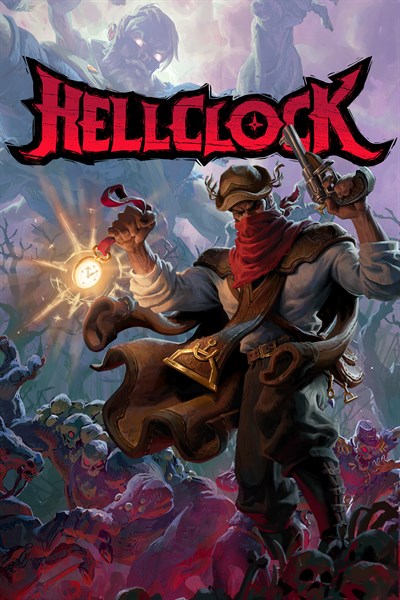
Hell Clock
Mad Mushroom
$24.99
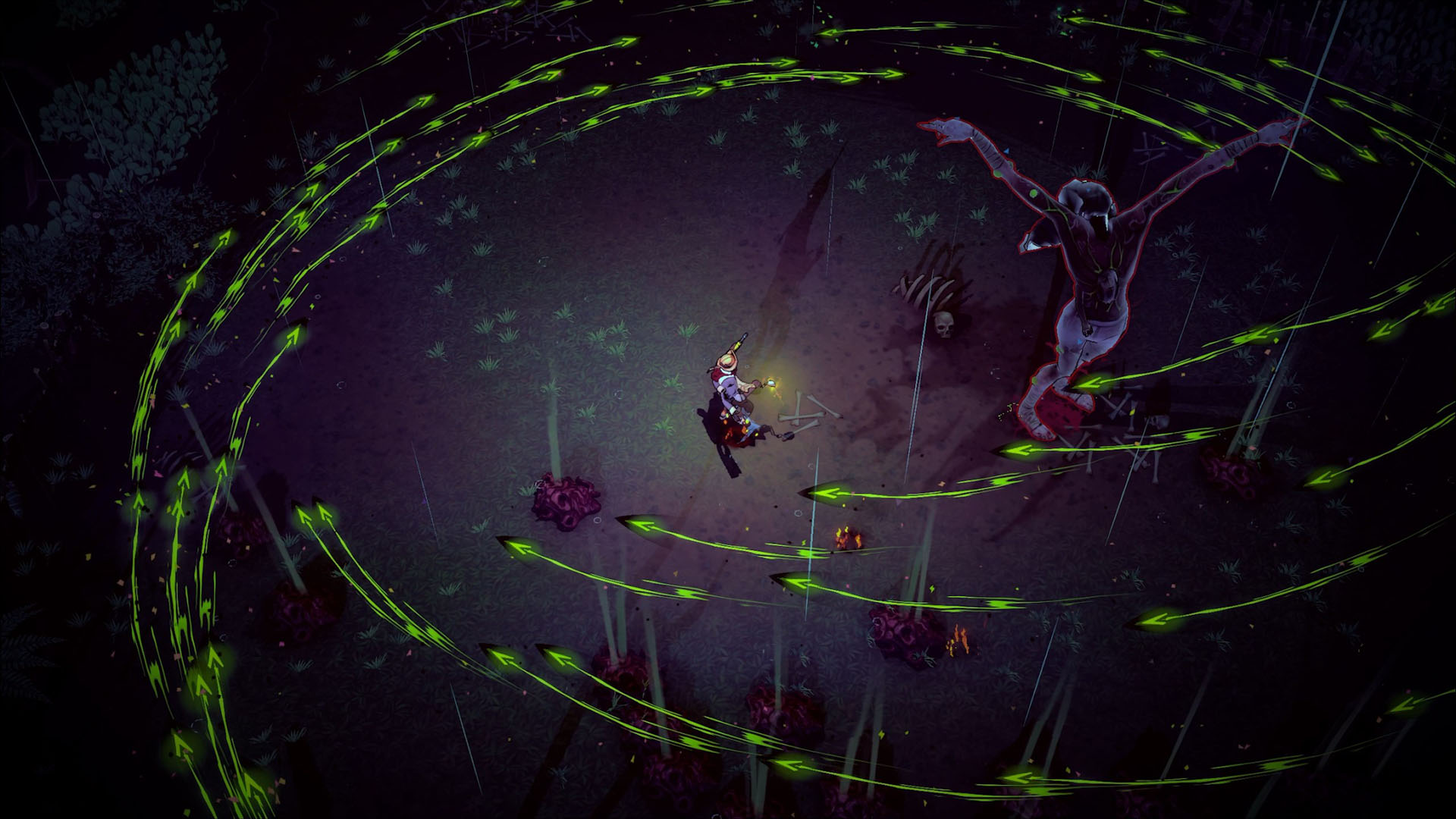
Hell Clock is a roguelite ARPG wrapped in Brazilian-inspired dark fantasy. Players take on the role of Pajeú, a survivor of Canudos, as he descends into purgatory to save the soul of his mentor, The Counselor.
What I love most is how proudly the game wears its inspirations on its sleeve. It feels like a clever ode to Diablo, with the pacing of Hades or even Vampire Survivors. Hellish world? Check. Demons? Of course. Min-maxing? Sure. Loot spilling all over the floor when you bust open a chest, driving insane amounts of dopamine? Now we’re talking! None of this is new, but I can’t shake the thought that the developers were diehard fans who saw an opportunity to bridge a grim story with a format that feels this familiar and, honestly, kind of perfect for it. As for the roguelite mix, you’ve got a central hub filled with lore and NPCs, in-run progression, and a deep meta-progression system. The real kicker, though, is the clock. Players begin with seven in-game minutes to explore, fight, loot, and progress, creating constant risk-reward pressure throughout every run. It’s fun, challenging, and, quite frankly, addicting.
Where Hell Clock really separates itself, though, is how it ties all of this back to its narrative, reimagining the historical War of Canudos through dark fantasy from the perspective of those who survived and resisted. Rogue Snail’s use of fantasy makes such a grim story more palatable without stripping away its weight, while bosses like the Merchant and the Head Cutter feel less like random monsters and more like twisted embodiments grounded in the real exploitation and violence of the conflict. The loot, builds, and absurd damage numbers pulled me in, but it was the history—and how it was presented—that made Hell Clock stick with me.
– Deron Mann


D-topia
Annapurna Interactive
$19.99
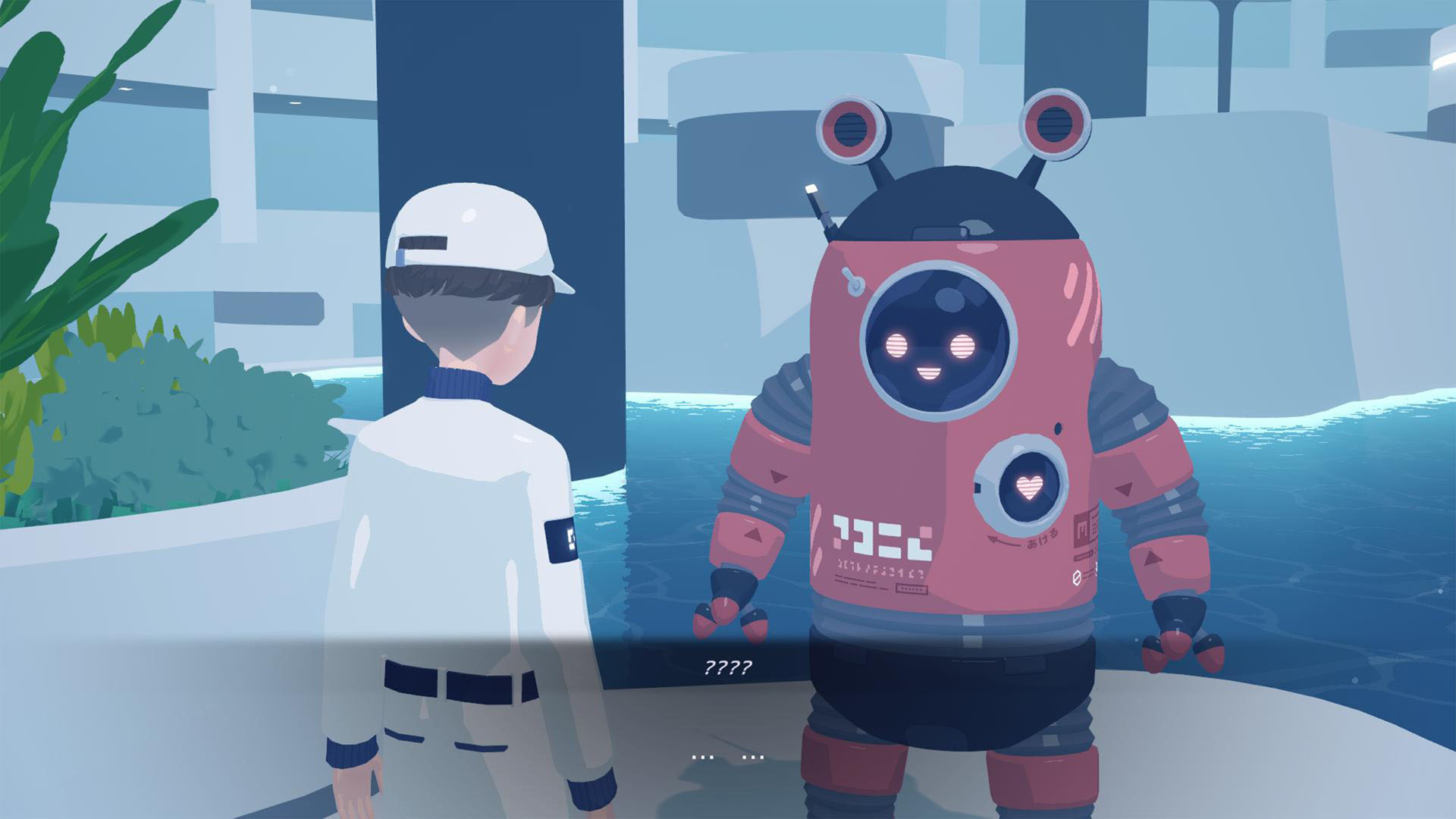
D-topia asks whether a perfectly happy life is really perfect. At first glance, the game appears to offer exactly what its name promises: a peaceful, carefully maintained society where artificial intelligence has optimized life around human happiness. The weather is pleasant, robots handle the difficult work, and everyone’s needs are supposedly taken care of. What could possibly go wrong?
D-topia places you in the role of a newly appointed Facilitator. Your job is to keep the community running by repairing machinery, solving logic-based puzzles, and helping residents navigate problems that the city’s technology cannot resolve on its own. The puzzles are approachable and thoughtfully integrated into the world. Rather than feeling like isolated challenges, they become part of your daily responsibilities—redirecting connections, restoring systems, and gradually uncovering more about how this seemingly flawless society operates. The relaxed pacing gives you space to explore, speak with residents, and appreciate the game’s clean, colorful presentation.
But underneath that cozy exterior is a much more interesting question: If an artificial intelligence can remove every inconvenience from our lives, what happens to freedom, individuality, and the experiences that help us grow? That tension is where D-topia became most compelling for me. It never needs to transform into a loud technological nightmare to make its point. Instead, it quietly asks you to notice the small compromises hidden beneath all that comfort. Conversations and decisions gradually reveal people who may be happy according to the system’s measurements, but who still long for creativity, purpose, and the ability to choose something imperfect.D-topia is a gentle puzzle adventure with something meaningful on its mind. It is relaxing without being empty, thoughtful without becoming overwhelming, and increasingly relevant in a world where we are already asking how much control we should hand over to technology. Sometimes paradise does not need to be escaped. It simply needs to be questioned.
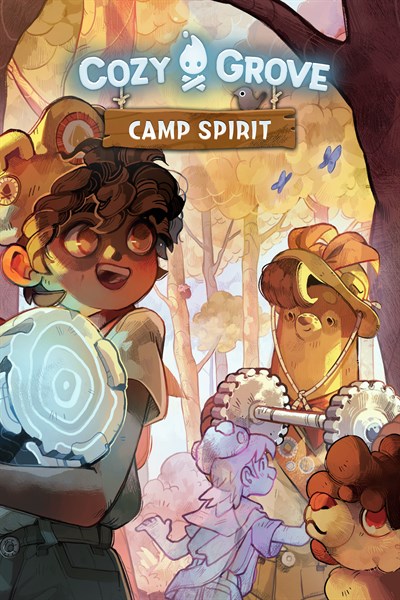
Cozy Grove: Camp Spirit
The Quantum Astrophysicists Guild
$19.99
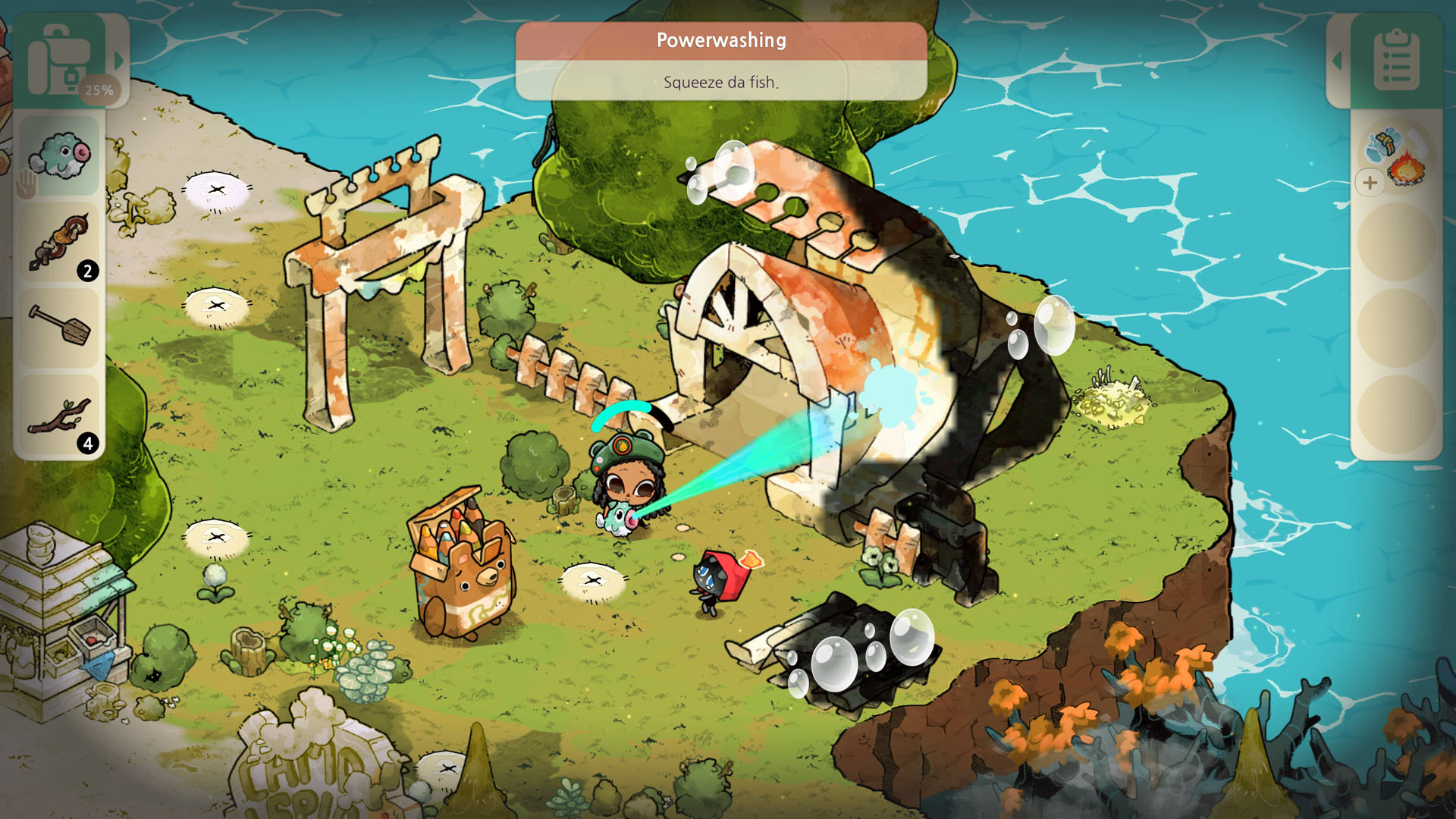
As a fan of exploration and casual life-sims like Stardew Valley I was very excited to jump into the Cozy Grove franchise’s new entry, Cozy Grove: Camp Spirit. After a quick character creation, a bus crash has left you stranded on a mysterious but delightfully adorable island filled with ghostly spirit bears who need your help remembering their past and find peace. The first thing I noticed (apart from the cute art style) is the real-world time mechanics, which are perfect for casual or busy gamers that want a relaxing batch of quests, making it an ideal companion routine rather than a time drain.
One of Cozy Grove: Camp Spirit’s strengths is the writing; the ghost bears aren’t just simple and always happy NPCs. Instead, they are complex, funny, and sometimes heartbreaking and existential characters. Helping them gives the narrative an emotional weight to the quests. I was surprisingly impressed with the characters—at first, they appear to be mostly standalone, but interconnections soon become clear as you play through.
Cozy Grove: Camp Spirit succeeds in creating a tranquil, low-stress daily ritual that respects your mental well-being by delivering a touching narrative. Packing your bags for this spirit camp is well worth your time.
– Oscar Polanco

Backrooms: Escape Together
Triiodide Studios
$19.99

Apparently, I drew the short straw this week. Full disclosure: horror games are not my thing. I am what you call “not a brave man.” So, when I sat down with Backrooms: Escape Together, a co-op horror game built around endless, claustrophobic office mazes, I was less than thrilled. Thankfully, a few friends joined me, giving me some familiar voices to cling to as we wandered through a fluorescent-lit nightmare.
You can play solo (you psycho) or with up to six players. After an elevator malfunction leaves your group stranded in the procedurally generated Backrooms, the only way out is deeper in. There’s little story or explanation—just unsettling environments and creatures, far smarter than you expect, lurking beyond the next corner.
Beneath the horror is a solid survival game focused on exploration, resource management, and teamwork. Limited inventory space, cooperative puzzles, and an excellent proximity voice chat system make communication essential. As players split up, voices fade through hallways and walls, creating both tense and hilarious moments when someone inevitably gets lost—or chased. Encounters with dynamic creatures require stealth, strategy, and quick thinking, encouraging everyone to stick together.
The visuals and sound design are superbly unnerving, while procedural generation keeps each run fresh. If you love horror, streaming scary games, or hearing your friends panic, this is an easy recommendation. All jokes aside, I had a great time… I will never do it again.
– Raymond Estrada
Moss: The Forgotten Relic
Polyarc
$19.99
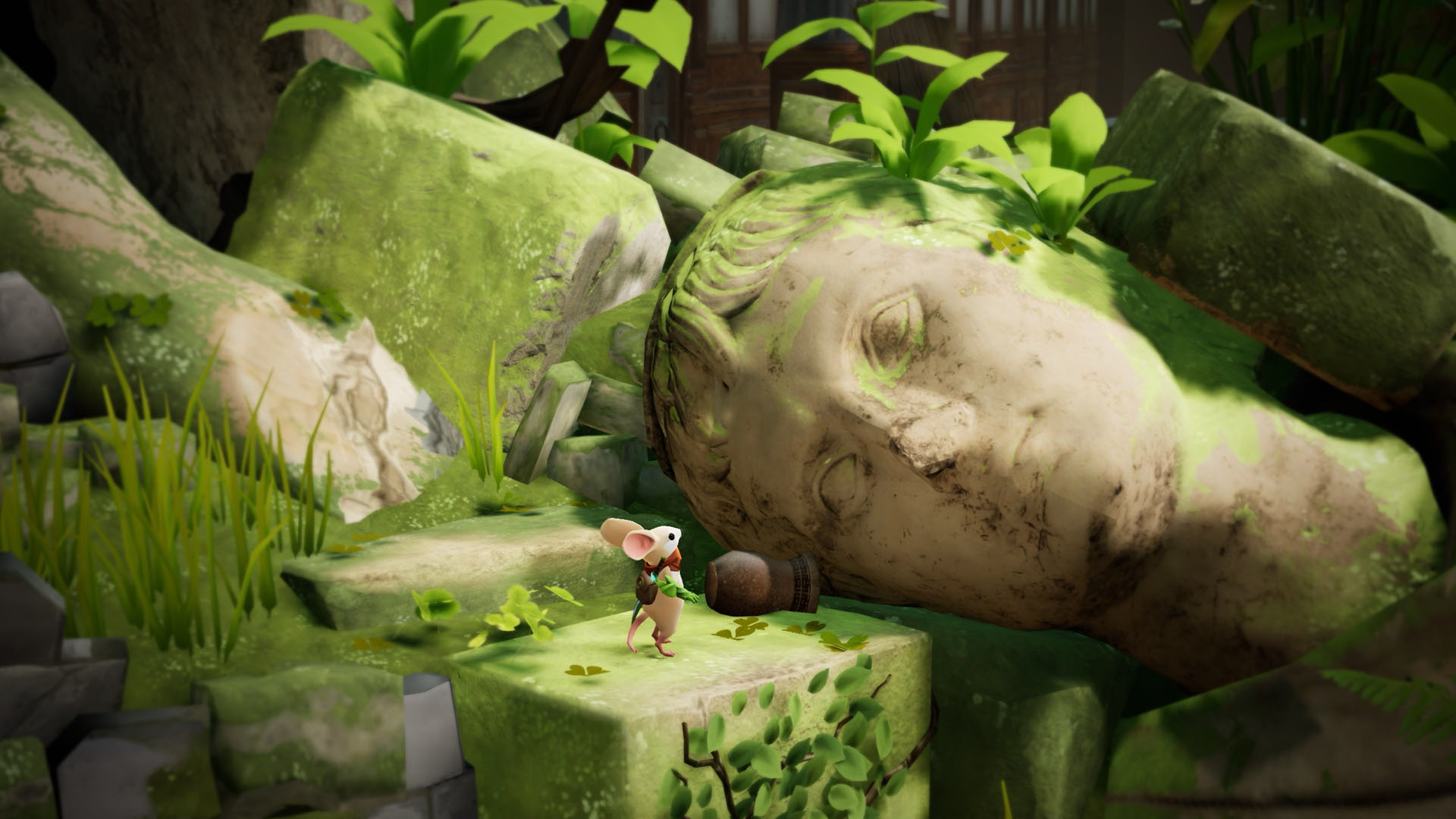
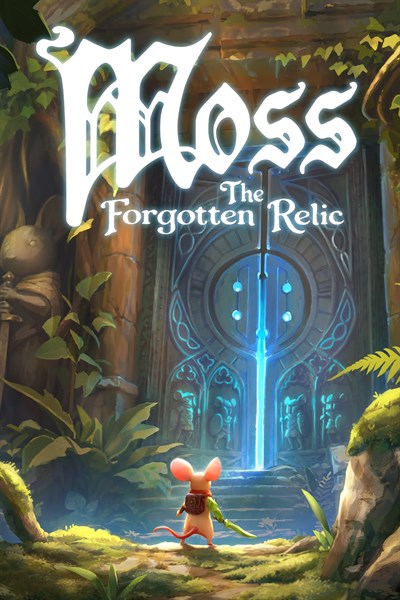
Moss: The Forgotten Relic is a charming storybook adventure wrapped in myth, magic, and heart. Set within a living fairy tale, the game invites you to experience the story alongside its hero rather than simply watch it unfold. Clever fourth-wall breaks make you feel connected to Quill’s journey, creating a unique bond between player and character. While its accessible design makes it ideal for younger audiences, its beautiful world, heartfelt storytelling, and clever presentation make it just as enjoyable for older players, such as myself.
Originally released as the VR titles Moss and Moss: Book II, The Forgotten Relic reimagines the experience as a traditional adventure. I happened to play it on VR way back and this feels like a completely different, but great experience. Players control both Quill, a brave young mouse, and the Reader, a magical presence within the world that serves as an extension of the player. Quill handles the combat and platforming, while the Reader manipulates the environment, moves obstacles, and temporarily restrains enemies to help solve puzzles and overcome challenges. The result is a satisfying blend of action, exploration, and puzzle-solving, with some of the most memorable moments requiring both characters to work together in the middle of a battle.
What truly elevates The Forgotten Relic is its presentation. The game is filled with gorgeous, diorama-like environments, an enchanting orchestral soundtrack, and exceptional narration that feels like a beloved fantasy tale being read aloud. A single narrator brings every character and story beat to life with warmth and personality, adding to the game’s sense of wonder. Combining engaging puzzles, approachable combat, and a heartfelt story into one beautifully crafted package, Moss: The Forgotten Relic is a delightful adventure for younger players (and the young at heart) especially those who enjoyed imaginative journeys like The Plucky Squire.
– Raymond Estrada