dailynewsnblog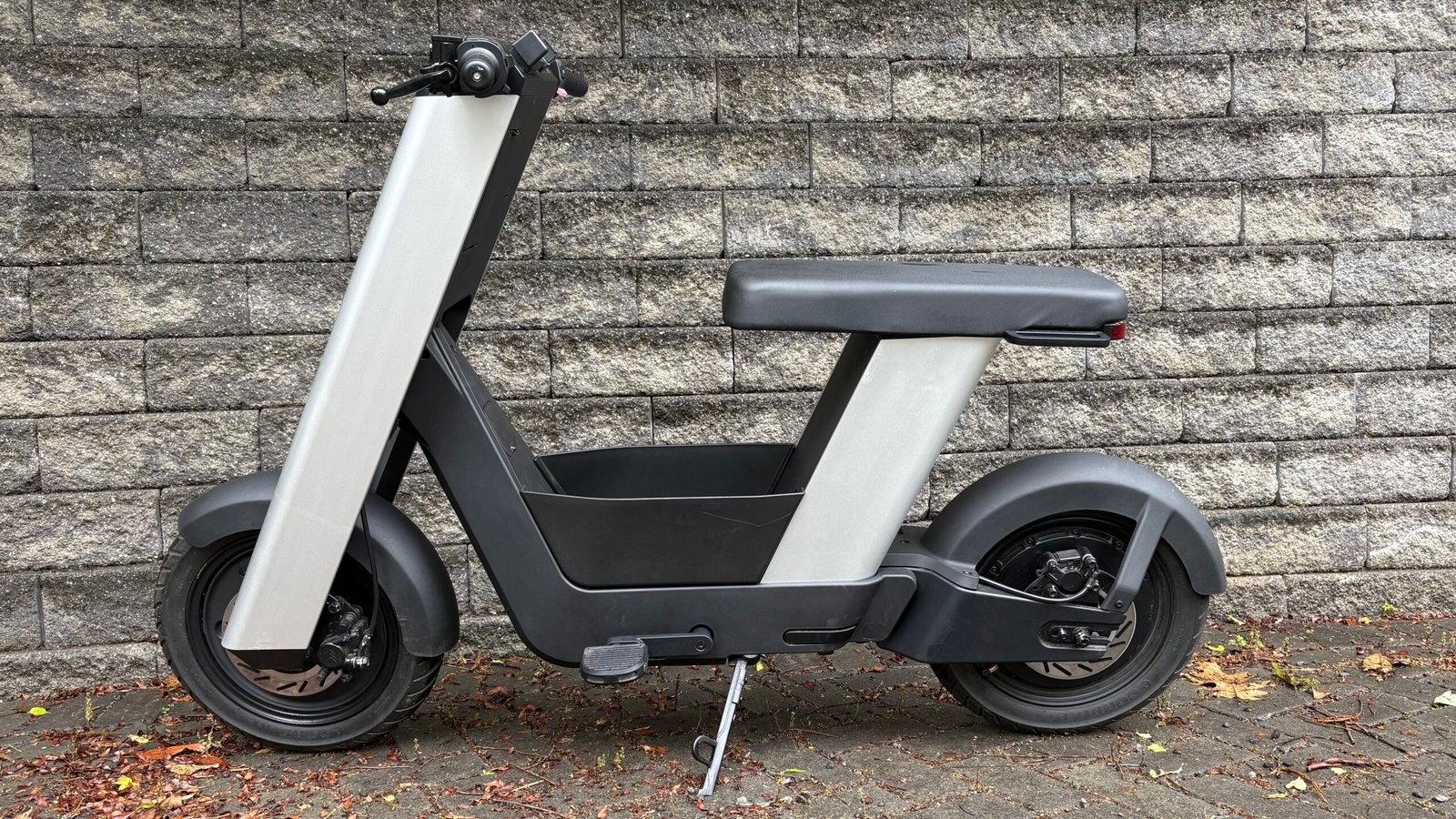
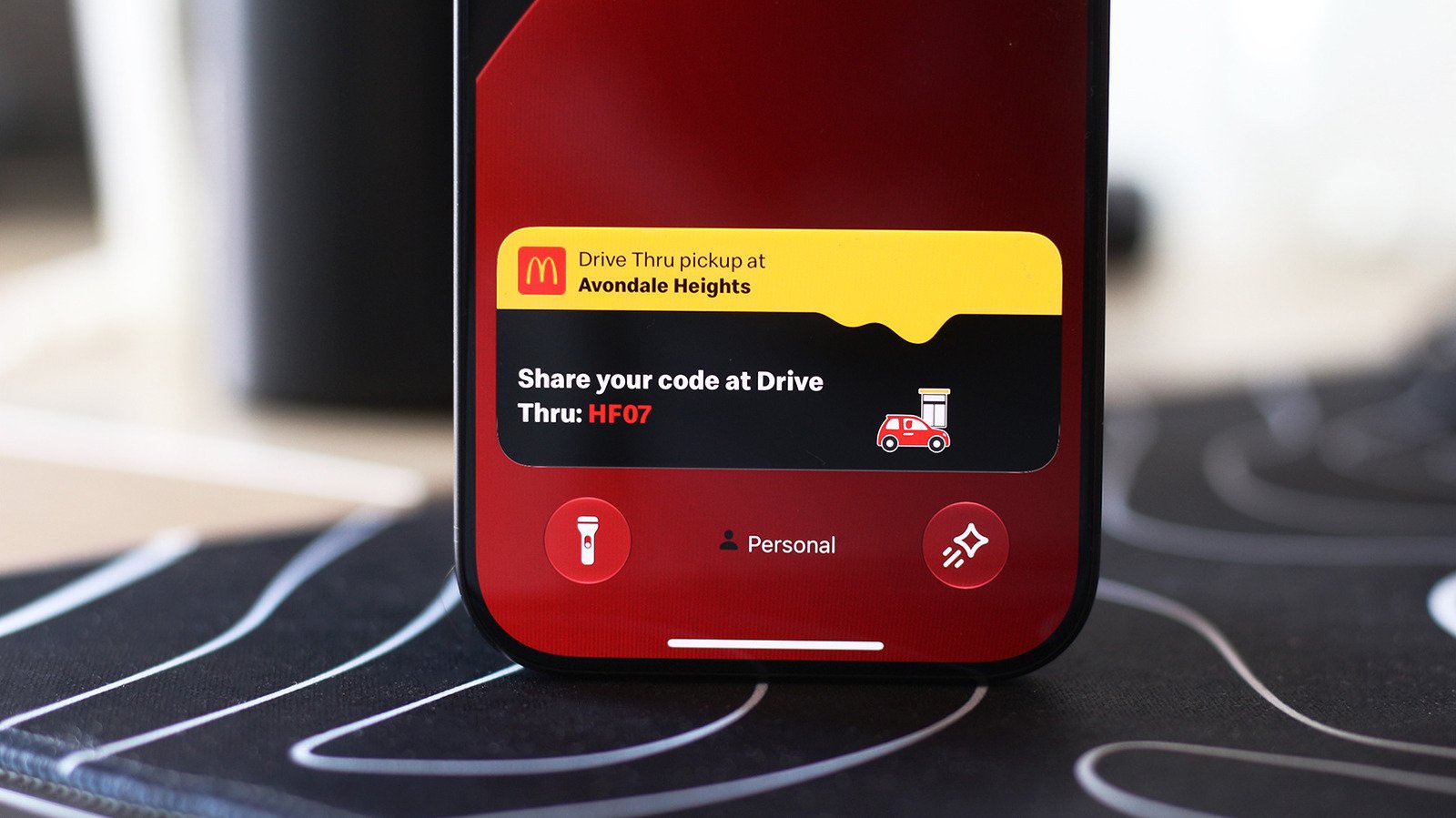
If you don’t want to use your phone, the company provides a couple of NFC cards, and there’s a reader on the handlebars that lets you unlock it (you can link up to 10 cards to one machine). You can also use the phone app to set the machine to auto-lock when shut down with the NFC card.
If someone manages to take off with your Olto, you can track its location. This is clearly the most security-conscious e-bike I’ve reviewed.
These features exist because the Infinite Machine expects some owners to leave the Olto stored outside. As mentioned above, it’s very heavy and awkward to move, making it difficult, if not impossible, to bring into an apartment or house without a garage. Whether it makes sense to leave a vehicle outside will depend on where you live.
In any case, you’ll probably have to remove the battery to keep it charged. The phone app lets you unlock the seat, where a convenient handle will lift the battery out. Unfortunately, the charging dock is sold separately, and it’s (once again) expensive, at nearly $200. It seems a bit much to design the hardware around the expectation that it will need an external charger and then not include one.
Overall impressions
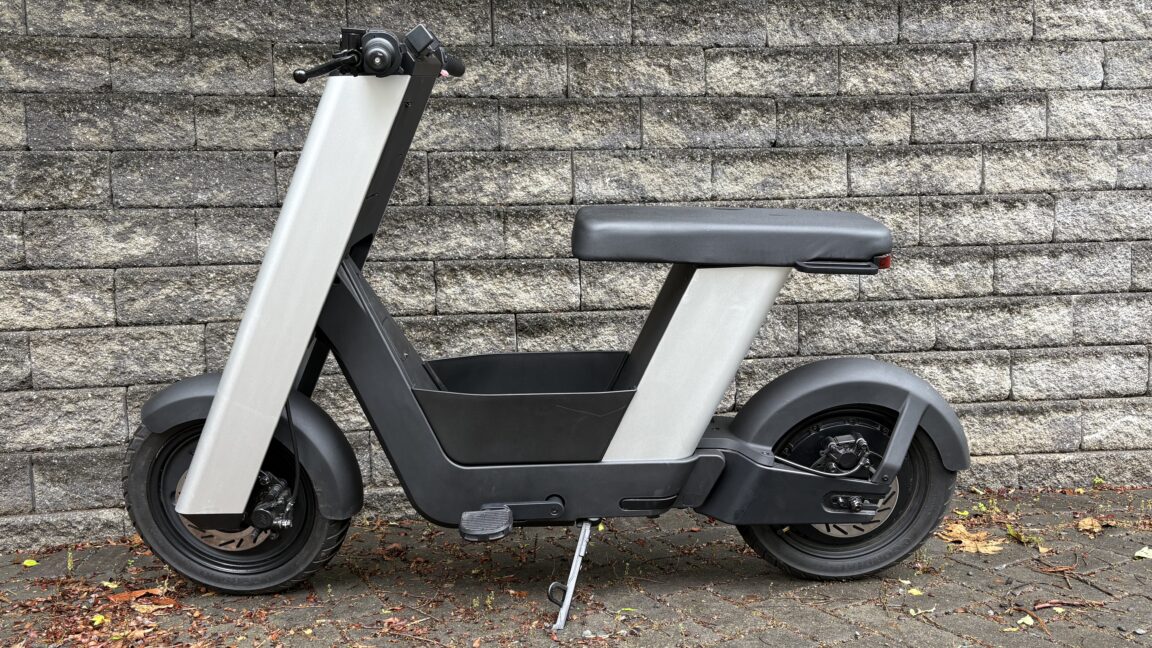
The Olto has some really nice design features, and its app is excellent (you should view it as a necessary part of using the scooter). It provides a great riding experience in scooter mode, feeling both maneuverable and responsive. It’s great for light errand-running, and it’s fantastic if you live where it’s not uncomfortably hot for much of the year, letting you avoid using a car in urban and suburban areas. While it’s expensive as a bike at about $3,500, that’s cheaper than dedicated electric scooters with similar designs—the Olto is slower, but it avoids ongoing registration, licensing, and insurance costs.