dailynewsnblog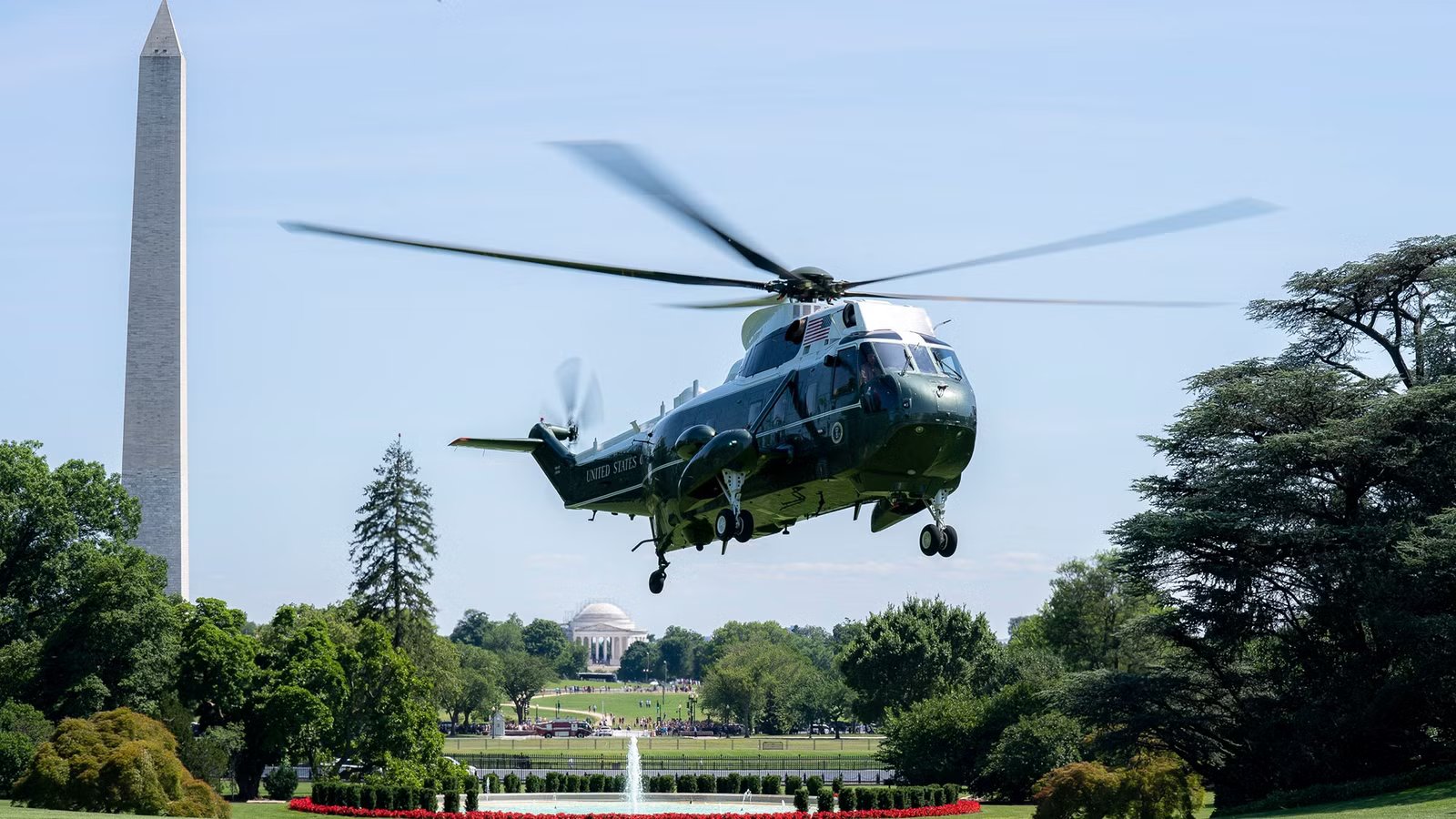
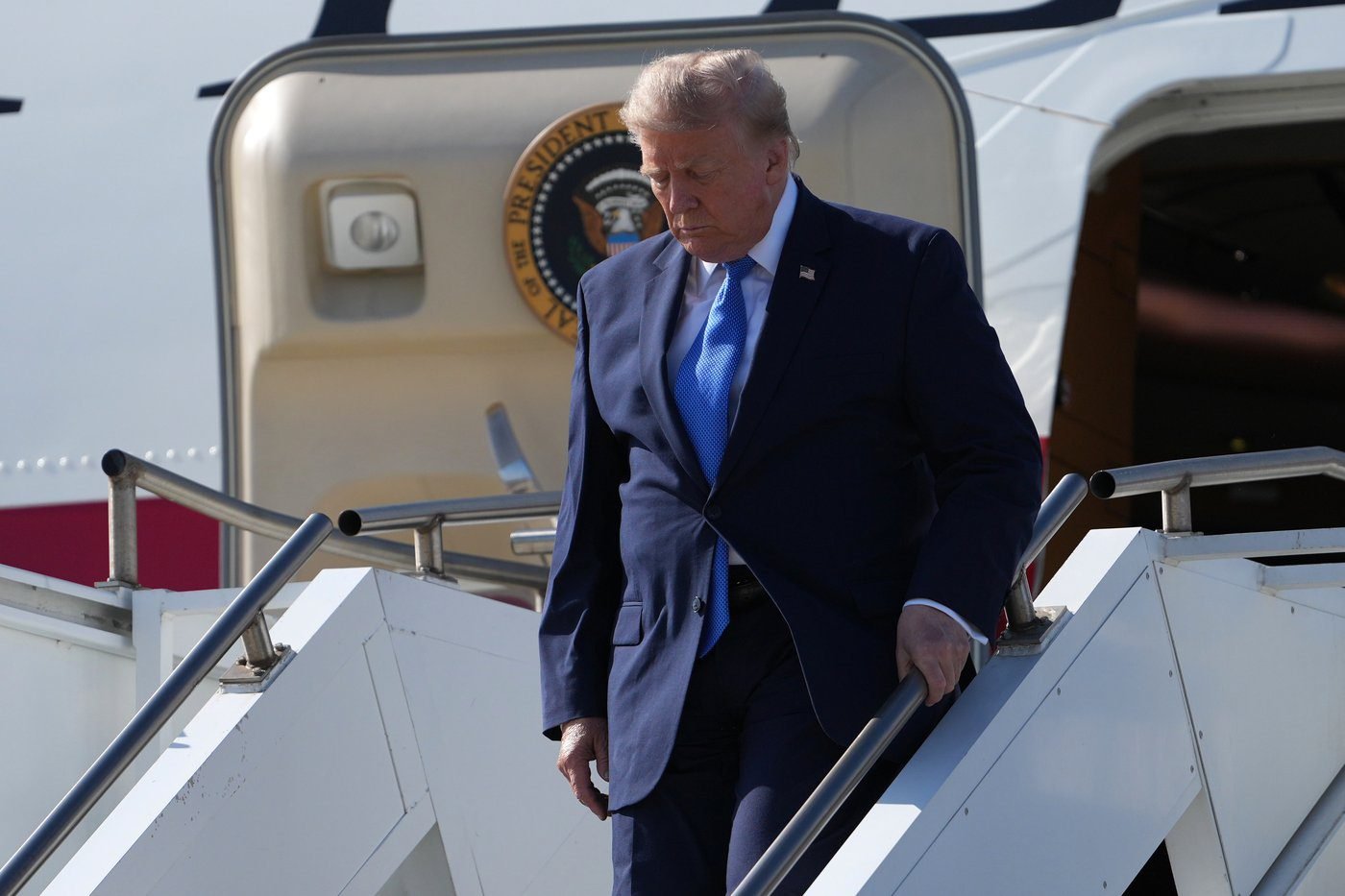
The Federal Aviation Administration ( FAA) is investigating an incident at  Ronald Reagan Washington National Airport (DCA) on Tuesday afternoon, after the presidential helicopter Marine One and a departing regional jet appeared to have lost separation. The helicopter, carrying President Donald Trump, lifted off near the White House at around 2:33 PM local time, just a minute before an Envoy Air Embraer E170 departed from DCA.
While the FAA has stressed that it does not believe a “dangerous” close call had occurred, newly established rules to halt commercial operations at DCA while Marine One is active nearby were not followed. These rules were introduced in the wake of the American Airlines Flight 5342 tragedy in January 2025, when a regional jet on approach to DCA collided with a US Army helicopter, killing 67 people.
Marine One Loss Of Separation Event Near DCA

As first reported by the Wall Street Journal, the incident happened on Tuesday afternoon as the President was flown to Joint Base Andrews (ADW) ahead of a trip to Los Angeles. Roughly one minute after Marine One took off, Envoy Air Flight 3742 from Reagan National to Pensacola International Airport (PNS) departed, despite rules in place preventing commercial planes from operating while Marine One is active in the area.
Sources told Reuters that the two aircraft appear to have breached separation rules, which require aircraft operating near an airport to remain at least 1.5 miles apart horizontally and 500 feet apart vertically. While this has yet to be formally confirmed by the FAA, a spokesperson stated that the two aircraft did not get dangerously close and were not converging.
The agency added that the incident did not amount to a “serious close call.” It will be investigating why air traffic control (ATC) had not stopped commercial operations at DCA while Marine One was active nearby, adding that it will establish a Safety Review Team. The Trump administration has also commented, stating that the President was not “in harm’s way” at any point. White House spokesperson Kush Desai said,
“Marine One flights are piloted by some of the best aviators in the world, and at no point was the President in harm’s way.”
Mixed Traffic Dangers Around Washington

Reagan National is located in one of the most congested and complicated regions of airspace in the US, which includes prohibited zones over central Washington and the busy Potomac corridor shared with military, law enforcement and medical helicopter traffic. Following the crash of AA5342, investigators found at least one close-proximity event per month between commercial aircraft and helicopters near DCA from 2011 through 2024.
The FAA has since restructured how helicopters and commercial planes share the airspace over the Potomac. This includes closing the Washington Helicopter Route 4 between Hains Point and the Wilson Bridge and barring controllers from using visual separation to handle helicopter traffic. It has also prohibited non-essential helicopter operations within areas around DCA, although essential missions, including presidential transport, are still permitted so long as commercial movements around DCA are restricted.
DCA was the site of a near-miss just days ago, when an American Airlines Boeing 737 and an American Eagle Embraer E175 came within just 800 feet. The close call happened after the E175 was mistakenly given takeoff clearance despite the imminent landing of a 737.
Reagan National’s Capacity Remains Stretched

Due to its unique qualities, Reagan National is unusual among major US airports in that the number of flights it handles is set by Congress rather than by the FAA or the airport operator. Despite objections from the Metropolitan Washington Airports Authority, more than 60 daily flights have been added since 2000, including a further ten approved in 2024.
DCA now handles around 25 million passengers a year — roughly 10 million more than it was designed for — and has three short runways. One of these is Runway 1/19, which ranks as the busiest runway in the US, handling more than 800 movements a day, amounting to almost one flight per minute at peak times. ATC staffing has been a major issue at DCA, with the latest FAA figures revealing close to a third of controller positions are still unfilled.