dailynewsnblog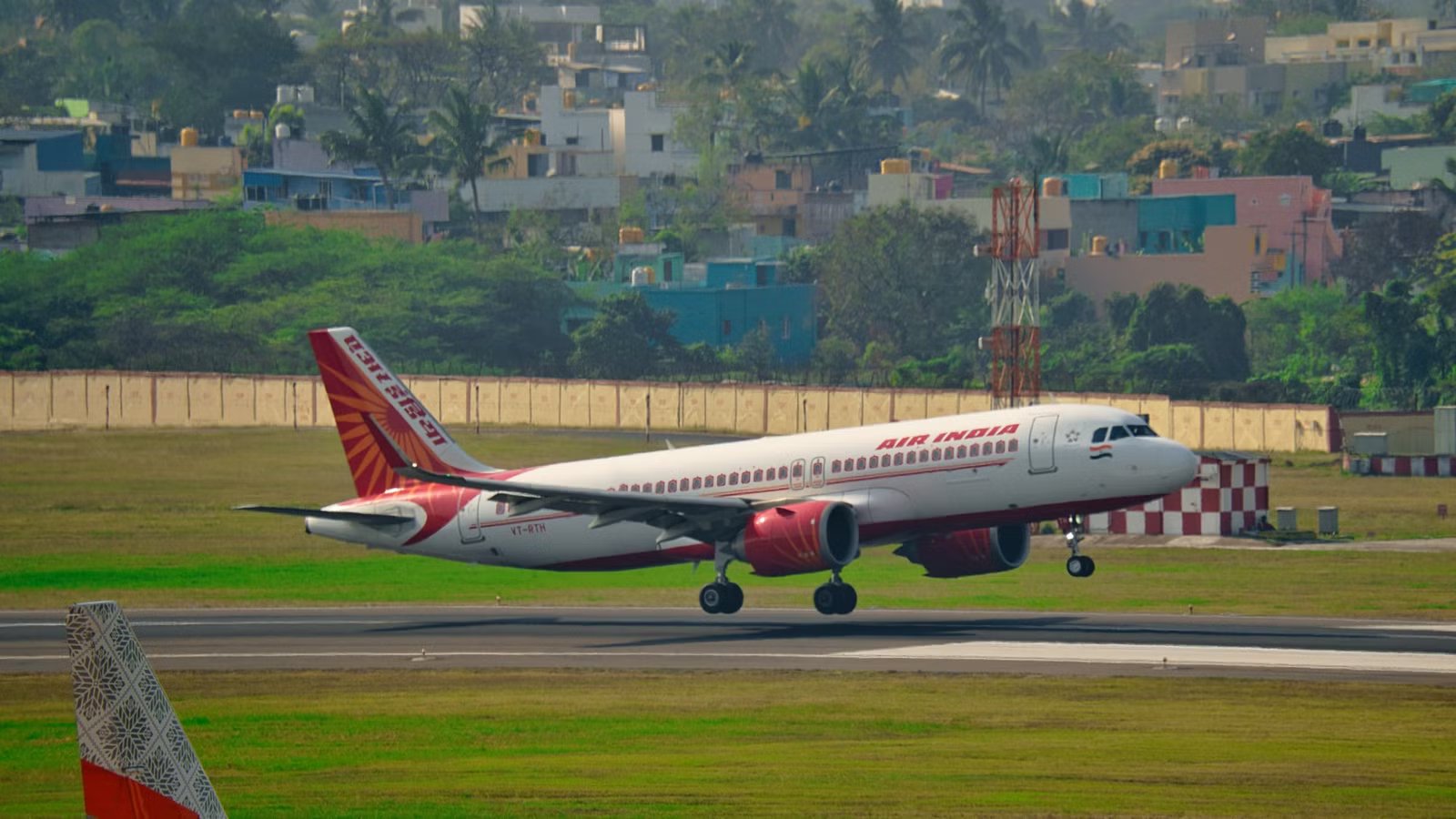
An  Air India Airbus A320neo operating flight AI2379 from Phuket International Airport (HKT), Thailand, to
  Delhi Indira Gandhi International Airport (DEL) encountered severe turbulence on August 4, causing the aircraft to briefly lose around 300 feet (91 meters) of altitude and injuring 17 people onboard. The aircraft landed safely in Delhi, where medical teams were waiting to assist affected passengers and crew. Videos and photographs shared after the flight showed damaged cabin panels and a chaotic cabin following the sudden event.
The incident quickly gained attention because of the apparent severity of the turbulence and the number of injuries, despite the aircraft remaining structurally safe. Flight tracking data shows AI2379 completed its scheduled service between Phuket and Delhi, while Air India confirmed that the aircraft experienced a brief turbulence-related event during cruise before landing safely.
A Violent Mid-Air Jolt Caused Injuries And Shock On Board

The Airbus A320neo was carrying 134 passengers when it encountered an unexpected pocket of severe turbulence roughly 90 minutes after departing Phuket. According to multiple reports, including the Times of India, the aircraft briefly descended approximately 300 feet (91 meters), throwing unsecured passengers, cabin crew, and loose objects into the air. Several overhead panels and interior fittings were also damaged during the violent movement.
Emergency medical personnel met the aircraft immediately after it landed in Delhi shortly after 11:00 local time. At least 17 people, including cabin crew members, sustained injuries, with several requiring hospital treatment while others received precautionary medical examinations. Air India stated on its official X channel that the safety and well-being of passengers and crew remained its highest priority following the incident.
One passenger, named Viviana, who was on board, described her shocking experience to NDTV:
“People behind me suffered injuries. A male passenger had blood on his face. We thought we would die. It was really scary.”
Air India Confirms Safe Landing As Investigation Begins

Air India described the event as a brief turbulence-related incident that resulted in a temporary change in altitude before the crew safely continued to Delhi. According to the airline, the aircraft landed normally, and medical assistance was immediately arranged for everyone requiring treatment. Flight tracking data indicates the aircraft did not divert and completed its scheduled route without further operational issues.
Images circulating on social media showed cracked ceiling panels, dislodged cabin components, and personal belongings scattered throughout the cabin. While these interior panels are generally non-structural, the damage illustrates the tremendous forces that passengers can experience during severe turbulence, particularly when they are not wearing seat belts. Aviation specialists frequently note that cabin damage often results from people and loose objects striking interior fittings rather than structural failure of the aircraft itself.
The incident comes as airlines worldwide continue emphasizing the importance of keeping seat belts fastened whenever passengers are seated, even after the seat belt sign has been switched off. Unexpected clear-air turbulence remains one of commercial aviation’s most difficult weather hazards to predict because it can occur without visible storm clouds or significant warning.
Why Severe Turbulence Remains A Big Challenge

Although severe turbulence is relatively uncommon, it remains the leading cause of in-flight injuries on commercial aircraft. Modern airliners are engineered to withstand loads far greater than those encountered during even extreme turbulence, meaning the greatest risk is typically to unrestrained passengers and crew rather than to the aircraft itself.
The Air India incident inevitably draws comparisons with  Singapore Airlines Flight SQ321 in May 2024, when extreme turbulence over Myanmar caused one passenger’s death and injured dozens more. That accident prompted airlines and aviation authorities worldwide to reinforce recommendations that passengers keep their seat belts fastened whenever seated, regardless of whether the seat belt sign is illuminated.
For AI2379’s passengers, the event serves as another reminder that even routine flights can encounter sudden atmospheric disturbances. Although the aircraft landed safely and no life-threatening injuries have been reported, investigators will likely examine weather conditions, flight data, and crew procedures to better understand the turbulence encounter and determine whether additional lessons can improve passenger safety in future operations.