dailynewsnblog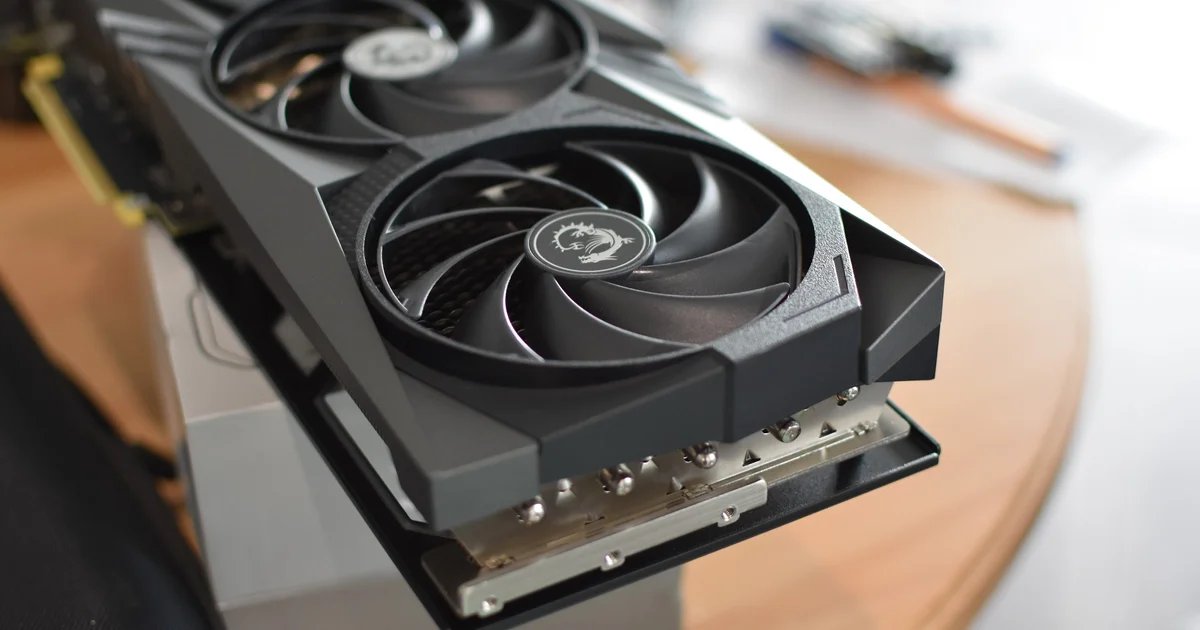
The amount of memory a PC needs is a matter that’s divided PC owners since before the days of DDR1. Different apps, games, and in-game settings all have different demands, so what works for one rig can be quite different to what works for another. In 2026, with component prices so stratospherically high – Nvidia and AMD are both cranking theirs up still – what truly constitutes a need is up for even further debate.
There’s no better example of this argument than around VRAM, or video RAM. While a – shall we say enthusiastic – school of thought has developed around 8GB becoming insufficient for modern demands, that’s done little to change the hardware makeup of low-end and mid-range graphics cards that are going on sale. Nor has it apparently convinced many players to upgrade. Indeed, the majority of Steam users still play on GPUs with 8GB VRAM or less.
But if you’re braving the price hikes to buy new graphics card in 2026, should you consider the models with this base-level spec? 8GB cards are much cheaper than their higher VRAM counterparts, partly through memory making up a greater quantity of the GPU’s price tag, and partly because of the greater demand for them. But there is always the fear that the games you want to play, particularly in the future, just won’t perform.
To actually answer that question, though, I’d argue: yes, you can. But only with some caveats, the knowledge of what you might be giving up in the process, and maybe most importantly, an understanding the responsibility for improvements doesn’t lie with the individual PC owners buying these GPUs. It lies with the companies making them.
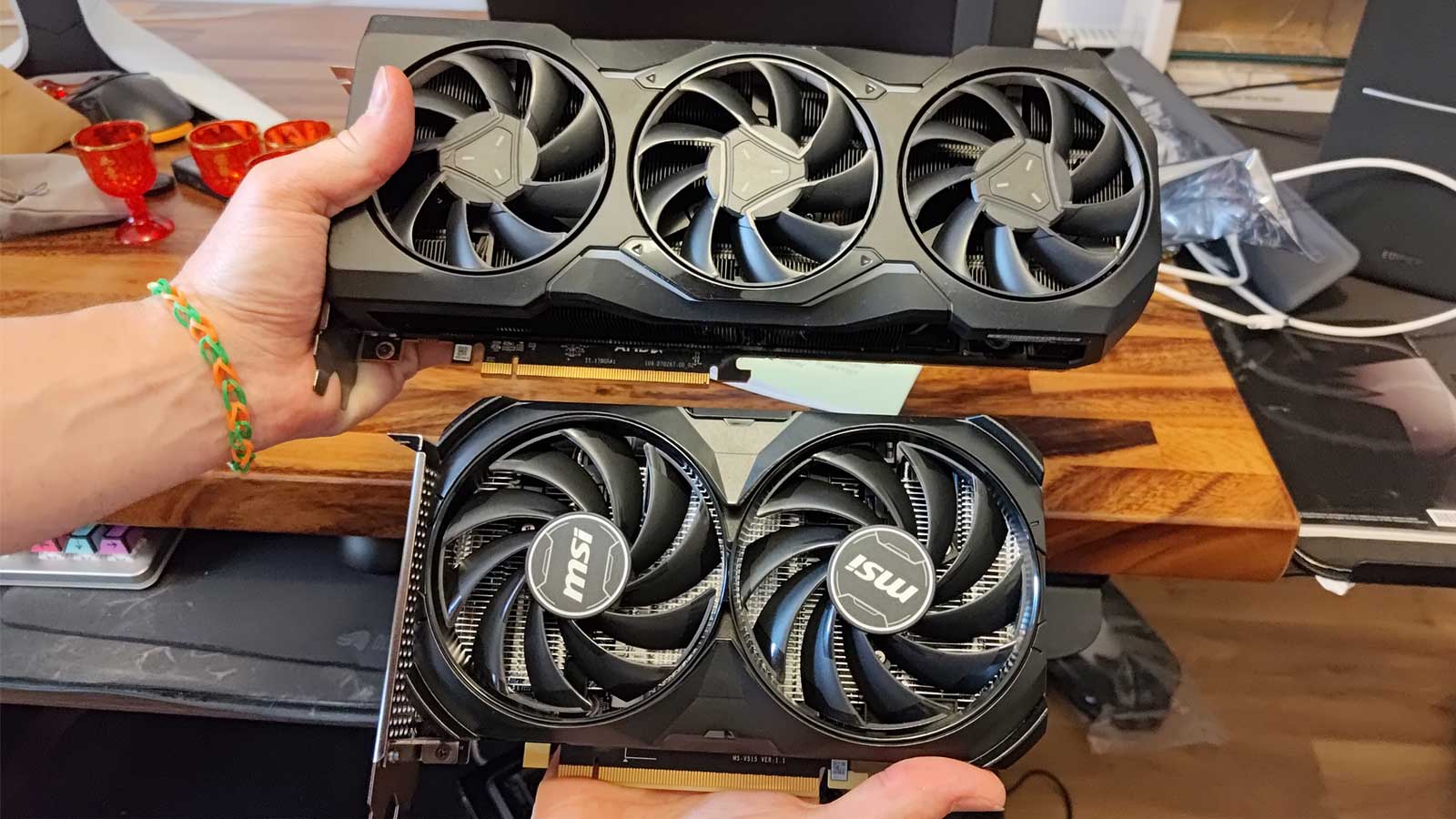
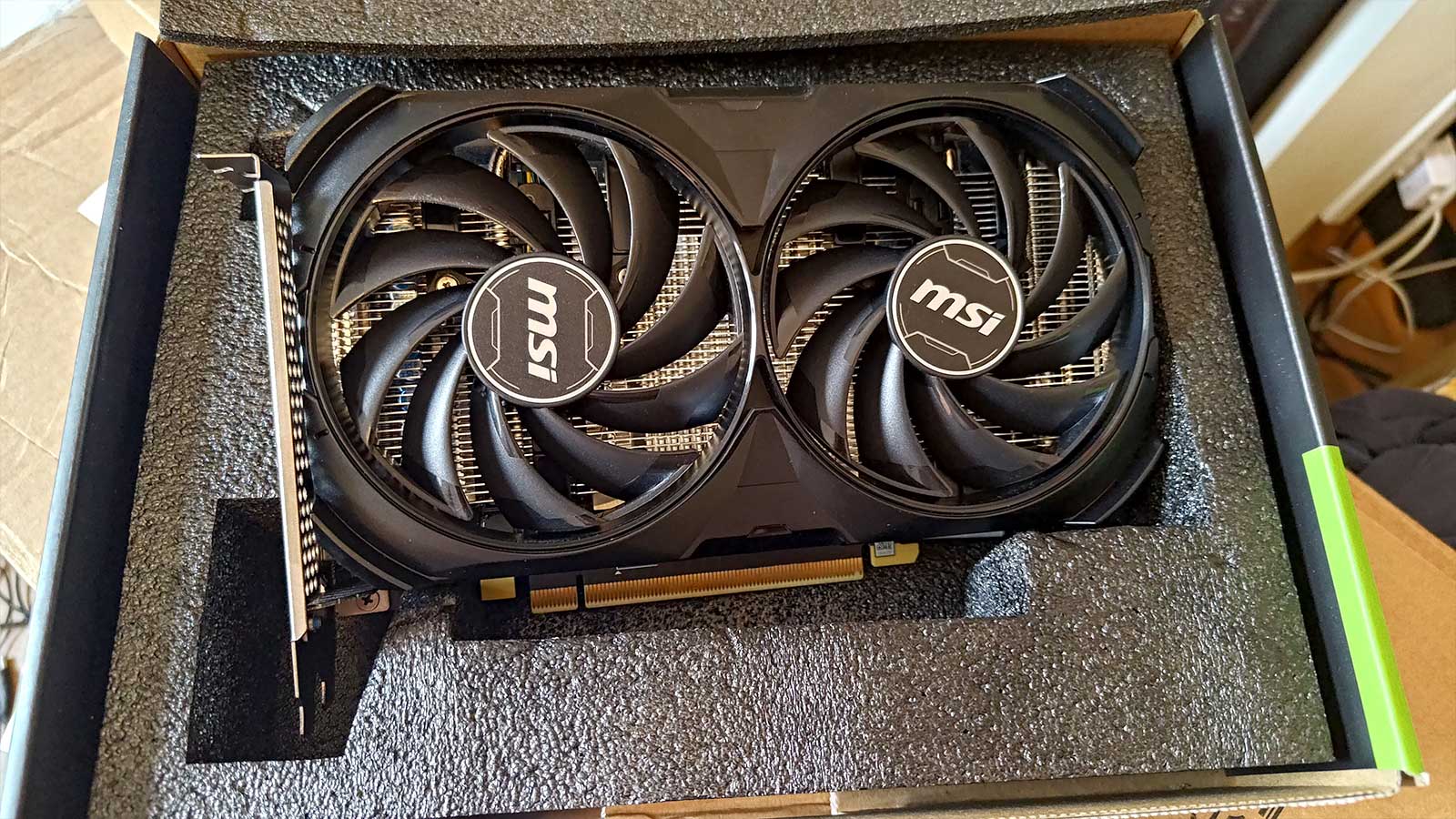
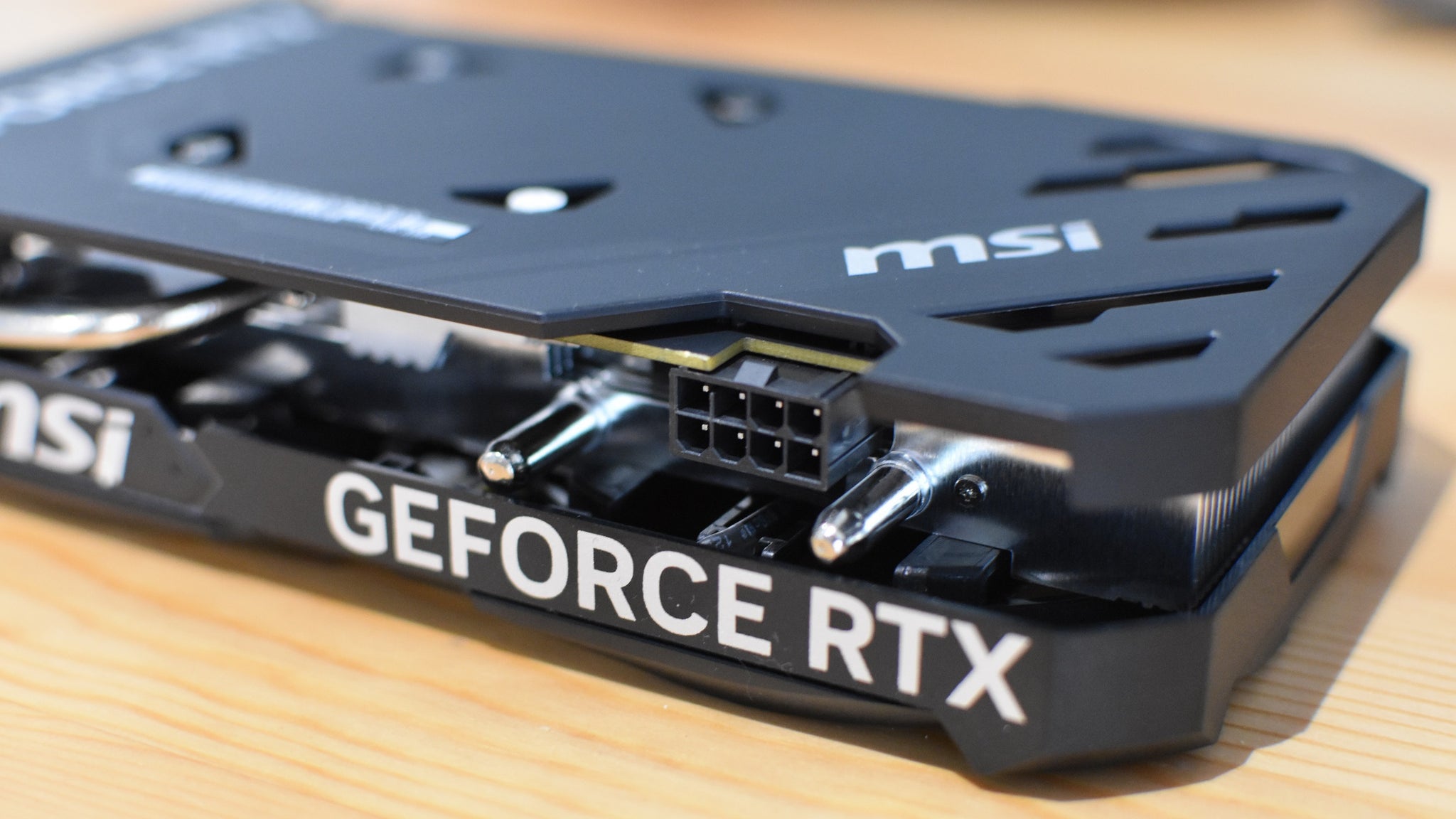
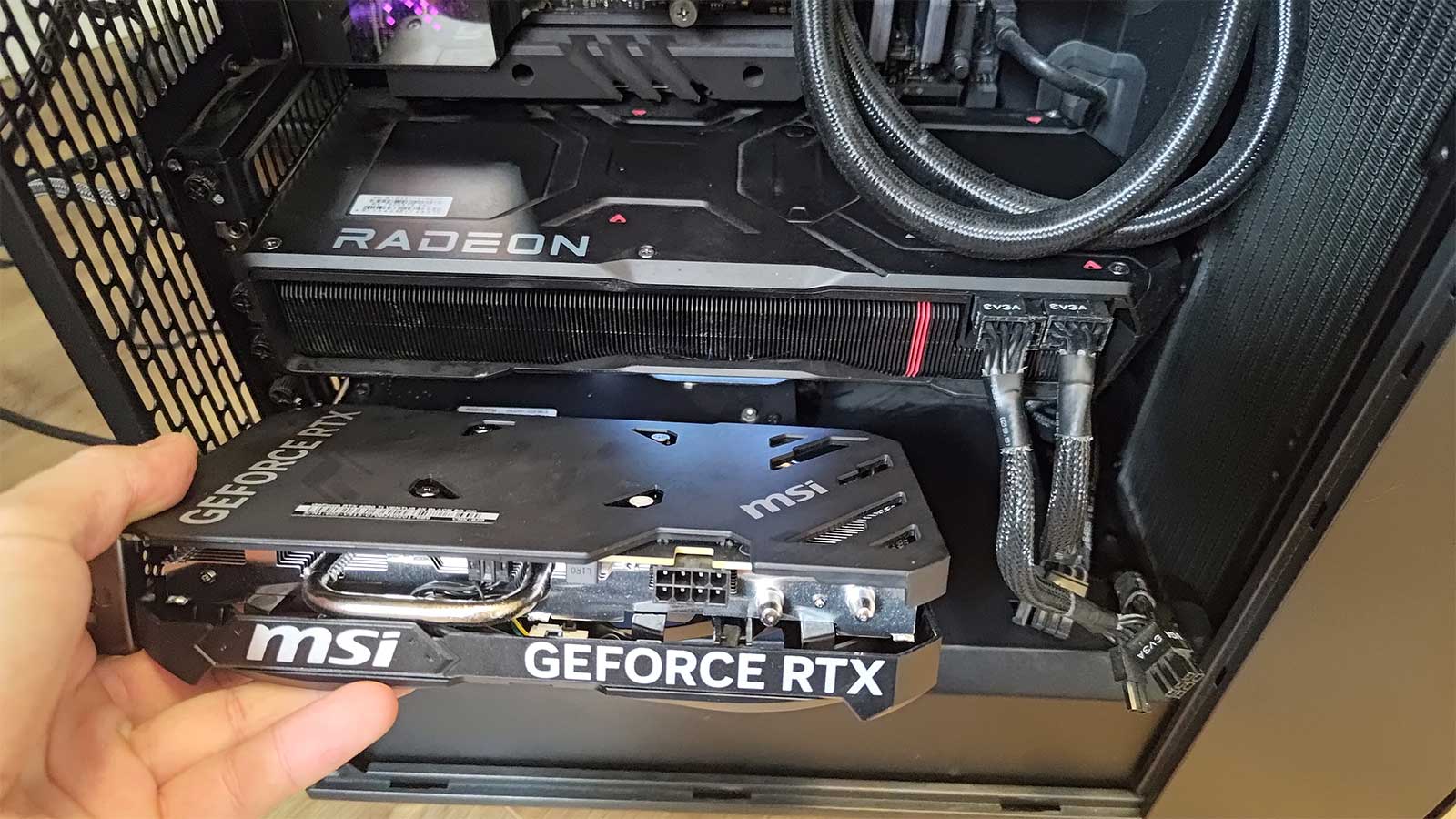
I admit to not spending much of my own game time being RAM-constrained; my daily driver is a AMD Ryzen 9 7950X3D/32GB DDR5 machine with the 24GB Radeon 7900 XTX. To test what low-VRAM life is like these days, then, I borrowed an 8GB RTX 4060 Ti from James (which I still want back – Deputy and Hardware Loans Ed.) and slotted it in place of my Radeon.
I then played a bunch of my usual fare, just to see how the loss of 16GB would impact my regular playing habits. To name names, these included Crusader Kings III, Kerbal Space Program, Tabletop Simulator, Xenonauts 2, Heave Ho, Streets of Rage 4, and Trailmakers. I also tried a few games whose system requirements specifically ask for more than 8GB at higher settings: Cyberpunk 2077, Final Fantasy VII: Rebirth, and Alan Wake 2.
The results? In short: eh, it’s fine, actually. Obviously, the drastically more powerful 7900 XTX is better, but in terms of VRAM needs specifically, I was surprised how little difference the drop to 8GB made in most games.
In the ones I play most often, I did notice the lower frame rates, and I absolutely turned on DLSS upscaling where it was available (or used Lossless Scaling when it wasn’t). But typically, I am absolutely overkilling it with my usual graphics card in almost every way. A 4060 Ti would be basically fine for the games I like to play and how I like to play them.
KSP is the only game there that really benefits from a faster GPU with more VRAM – my heavily modded save got a bit clunky at times, in that stuttering kind of way that typically signals a memory shortfall. Still, that game will be forever CPU thread-bound once you start building big complicated craft, anyway.
Also worth noting: there are effectively no popular competitive multiplayer games that need more than 8GB of VRAM. So you have the entire suite of the most popular games in the world to enjoy – think your Counter-Strikes, your Valorants, or your Rocket Leagues – and never need to be concerned about VRAM quantities. The same goes for all the most popular MMOs. Indeed, I don’t think you’d find a game in the top 25 most popular Steam games that genuinely needs more than 8GB of VRAM.
Maybe even the top 100. Because even some of those, like Cyberpunk 2077, are actually quite playable on 8GB VRAM. Not gorgeous, lifelike graphics with all the ray tracing turned-on, but playable. Playable enough to enjoy the game for its strengths, without sweating that it’s as pretty as it could be.
That goes the same for all the games I tested, though not all to the same extent. Cyberpunk absolutely can use more than 8GB of VRAM, especially once you get above 1080p resolution and/or higher quality settings. These introduced the odd stutter on the RTX 4060 Ti, but I really didn’t find that too debilitating. It’s nicer playing without it, sure, but after 20 minutes or so I barely continued noticing it. With upscaling to help keep the frame rate nice and high, it still felt smooth enough to me.
Final Fantasy VII: Rebirth was a tougher RPG cookie. No matter what settings I changed, anything over 1080p resolution meant running low on VRAM. Still, like Cyberpunk, this wasn’t immediately ruinous. There were some stutters, but they were infrequent enough that were I to play the whole game on this hardware, I might be willing to forgo a stutter-free game to enjoy slightly better visuals at my monitor’s highest rez.
The only game that this GPU really struggled with was Alan Wake 2. Even before I’d loaded into a save, I saw GPU memory use spiking on my hardware monitor. AW2 dipped into shared system memory more than any other game, and only dropping to 1080p with Balanced DLSS upscaling was I able to get it under control.
But even then, it was playable enough. It didn’t look anywhere near as good as it can, but then I’m playing on an lower-mid-level graphics card from almost four years ago. It shouldn’t be any terribly surprise that newer AAA games, not least ones that made a marketing point of all their advanced visuals, might require some settings sacrifices.
Granted, there’s no shortage of current-gen GPUs that have stuck to 8GB, and not just ‘budget’ models like the RTX 5050 or Radeon RX 9050. Perhaps the pertinent question isn’t ‘Is 8GB enough?’, it’s ‘Should you buy 8GB right now?’ Glossing over how the most sensible answer to that is you probably shouldn’t be buying most components for a while, really, it depends.
If you already have a graphics card with 8GB of VRAM, and it can play the games you enjoy, then absolutely not. There are so many games that are perfectly playable with 8GB of VRAM, even those that are designed to need more, that you really aren’t missing out on that much by sticking with what you have. But what if you need something new, or you’re building a new PC entirely? What about an 8GB 9060 XT? Or an RTX 5060 8GB? What about the Steam Machine?
If it lets you play something you want to play, and your current hardware (if it exists) does not, I’d say go for it. Be aware that there are certain big-budget games that will be prone to stuttering, particularly above 1080p or with their High/Ultra settings, and you’re at a natural futureproofing disadvantage against cards with 12GB or more. But as literal entry-level hardware, 8GB is fine for most games. In 2026, with prices as utterly ridiculous as they are, you won’t even necessarily see proportionally higher framerates when dropping hundreds more on higher-specced GPUs, and if you do want to upgrade further in the future, something like the RTX 5060 or RTX 5060 Ti will buy you plenty of time to save up again. You could always try nabbing something more impressive second-hand, if you need to.
Just don’t, however, mistake the recognition of 8GB VRAM’s general adequacy for a belief that this is how graphics cards should be. There are, again, plenty of voices who’d dispute the idea that some stutter is tolerable, or that ‘enough’ games can perform adequately with 8GB. But this isn’t naysaying for naysaying’s sake. It speaks to a genuine frustration, and to something I think most of us can agree on: graphics card companies, and particularly Nvidia, can and should do better.
These companies are some of the most richest in the world, with the biggest purchasing power, and some of the tightest ties to memory manufacturers. Even in a supply shortage, they have the means to equip their products with more ambitious, more performant hardware, and yet they continue to adhere to years-old standards and expectations – while still bumping up their prices, over and and over again.
Rumours suggest a more VRAM-rich RTX 50 series refresh is in the works, but only one of the four alleged new cards, a 9GB upgrade to the RTX 5050, is anywhere near the affordable end of the market. That’s too little, too late for this generation of gaming GPUs, and yet more evidence that it’s not truly 8GB cards that leave much to be desired – it’s the attitudes of their creators.