dailynewsnblog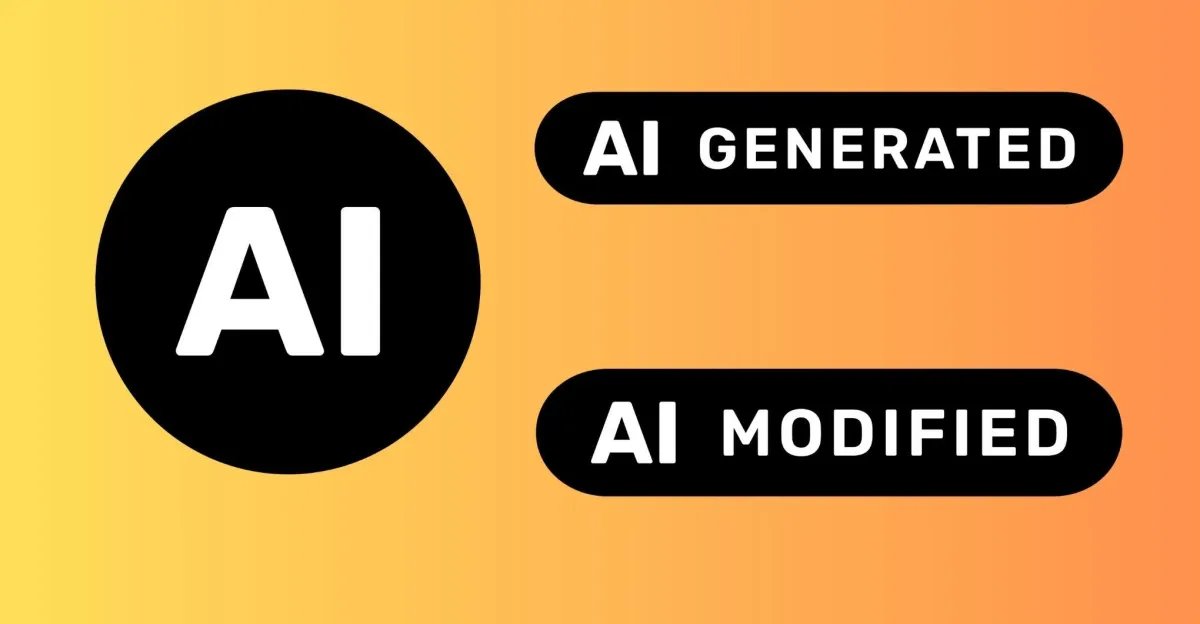
The European Union has ushered in some additional rules that aim to make it easier for people to identify chatbots and AI deepfakes online. The new transparency obligations under the bloc’s landmark AI Act came into effect on August 2nd, requiring companies to disclose when people are interacting with AI models, and if content has been generated or altered by them.
The transparency rules differ between providers (companies that develop and market AI systems) and deployers (platforms and services that use those AI systems), though some companies like Meta and SpaceXAI are classified as both.
Providers must design AI systems to explicitly notify users when they’re dealing with AI instead of a human, “unless this is obvious,” and include machine-readable marks on synthetic audio, image, video, and text so that it can be detected as artificially generated or manipulated. Likewise, deployers are required to label any AI-generated or manipulated image, audio, and video deepfake content that’s designed to look real.
“The rapid development of generative and interactive AI systems is making it increasingly difficult to distinguish AI interactions and AI-generated content from human-created and authentic content,” the European Commission said in its transparency guidelines. “People should know when they are interacting with AI or exposed to AI-generated content. This will help them make informed decisions, calibrate their trust and reliance on AI and avoid misinformation or deception.”
The Commission has also developed a set of AI disclosure labels that tech platforms can adopt in accordance with the AI Act rules, alongside examples of when they should be used. These mirror similar labels that have already been introduced by TikTok, Instagram, and Facebook. The EU-made icons have been introduced to prevent platforms from having to design their own, and while the EU examples are optional to use, the Commission pointedly notes that its labeling requirements “are not.”
Companies that fail to comply with these new transparency rules risk facing fines of up to €15 million (about $17.2 million), or 3 percent of their global annual turnover. While the new transparency rules are enforceable immediately for new AI systems, any models and services that launched before August 2nd have a four-month grace period until December 2nd to comply.