dailynewsnblog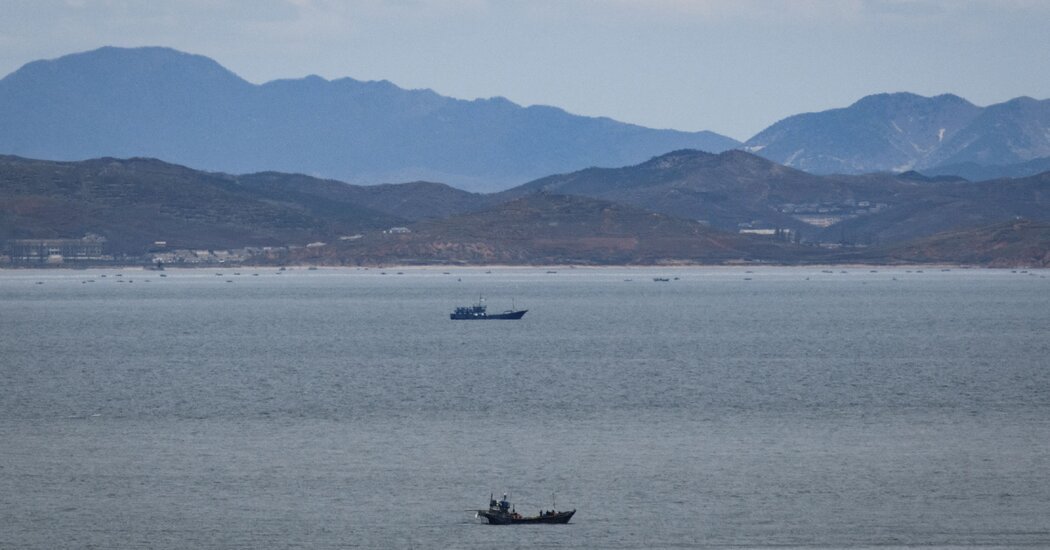
A freelance reporter has been fighting a subpoena from the Trump administration seeking to force him to reveal his sources for a New York Times article about a failed top secret mission in North Korea, according to people familiar with the matter.
The subpoena, which has not been previously disclosed, reflects the administration’s intensifying campaign to investigate leaks of government secrets by pressuring reporters to divulge their sources. Until President Trump began his second term, federal subpoenas to reporters were exceedingly rare.
In February, F.B.I. agents showed up at the New York home of the reporter, Matthew Cole, to deliver the grand jury subpoena, which was issued by prosecutors in Newport News, Va., according to the people familiar with the matter, who described the private conversations on the condition of anonymity.
The investigators are seeking his testimony about two years’ worth of information about Mr. Cole’s contacts and conversations, as they try to identify his sources for the article about the operation in North Korea, the people familiar with the matter said. It is unclear if the administration has also sought Mr. Cole’s phone and email data, as it has done in other cases.
Mr. Cole’s lawyer, David A. O’Neil, who has also represented The Times in a separate fight with the administration over subpoenas about its coverage of Air Force One, said in a statement that Mr. Cole “has dedicated his professional life to bringing official misconduct to light and informing the public about the workings of its government.” His client, he added, “will not be intimidated from continuing that important work. He will defend press freedom and the First Amendment from this administration’s brazen attacks on journalists, and he will honor his commitment to his sources.”
The Times is providing a legal defense to Mr. Cole.
The Justice Department declined to comment on the specific investigation, but said in a statement that it would use all available legal tools to “uncover those who unlawfully disclose national defense information.”
In the months since Mr. Cole’s subpoena, The Times, The Wall Street Journal and The Washington Post have faced similar subpoenas seeking information about their reporting. The news organizations have resisted, and judges have voiced skepticism about the government’s efforts, prompting the administration to back down in those cases.
However, the Justice Department has so far refused to withdraw its subpoena of Mr. Cole, despite his efforts to challenge it.
Charlie Stadtlander, a spokesman for The Times, said in a statement that the subpoena to Mr. Cole was “part of the government’s escalating attacks on journalists, which should concern all Americans.” He added that the demand to disclose Mr. Cole’s sources “is another brazen and illegal attack from the administration designed to deny the public information of vital importance.”
Last fall, Mr. Cole, along with a staff reporter for The Times, Dave Philipps, revealed the details of a Navy SEAL Team 6 mission in 2019 that went awry. The article described how the SEAL members killed two or three unarmed North Koreans who appeared to have stumbled upon the mission, a classified operation to plant a secret eavesdropping device near the country’s coastline. The Times’s account, published in September, drew on interviews with two dozen people.
The article also noted that the Trump administration did not notify key members of Congress who oversee intelligence operations, before or after the mission, an omission that may have violated the law.
The Justice Department has not subpoenaed Mr. Philipps, according to people familiar with the matter. He declined to comment.
Mr. Cole disclosed more details of his reporting on his Substack newsletter, stating that despite learning about the mission in 2023, he waited for months before making calls to find out more given the sensitive nature of the reporting.
Mr. Cole is also the author of “Princes and Thieves,” a coming book about the finances and global entanglements of President Trump’s son-in-law, Jared Kushner, and “Code Over Country: The Tragedy and Corruption of SEAL Team Six,” a 2022 book about the elite Navy unit.
When F.B.I. agents tried to serve Mr. Cole with a subpoena at his New York City apartment in February, he was not home at the time, according to the people familiar with the matter. The subpoena was eventually delivered to his lawyer.
The Justice Department’s policies on leak investigations can change between administrations, and in 2025, it loosened restraints on such inquiries. The new guidance, however, still labels subpoenas to reporters a “last resort.” But in Mr. Trump’s second term, the department has rushed to issue such demands, sometimes just days after the articles in question were published.
In March, the Trump administration demanded records from reporters at The Wall Street Journal, seeking to identify their sources for an article published Feb. 23 that described internal discussions in the administration about the risks of a war with Iran.
The Justice Department also subpoenaed a Washington Post reporter over coverage of U.S. military operations in Venezuela, according to people familiar with the matter who spoke on the condition of anonymity.
The Post and Journal challenged the subpoenas under seal, leading to monthslong court battles in Virginia. In June, the administration withdrew the subpoenas after the federal judge overseeing the dispute indicated she was likely to quash them, according to people familiar with the matter.
In January, federal agents executed a search warrant at the home of another Post reporter, seizing her phone, computers and a smartwatch, as part of a separate, continuing leak investigation and prosecution.
In early July, the administration sought to determine the sources behind The Times’s reporting about the new Air Force One, a 747 jet that was a gift from Qatar.
Two days after The Times reported that Mr. Trump did not fly out of Turkey on the plane as a security precaution and that it did not have all the features of the older jet, F.B.I. agents delivered subpoenas to three of the reporters who wrote the articles.
The administration also demanded phone companies turn over the reporters’ phone records, as well as the phone records of two of the reporters’ wives and of one reporter’s mother.
The Times sought to quash the subpoenas, arguing that they were a dangerous attack on press freedom.
At a hearing last week in federal court in Manhattan, a judge sharply criticized prosecutors at the U.S. attorney’s office for apparently failing to follow the law and the department’s internal rules for conducting leak investigations.
Prosecutors denied intentionally flouting the law or regulations, but admitted making mistakes, which they attributed to not knowing the relevant case law before they demanded the reporters’ data. The judge in that case, Arun Subramanian, has ordered the Justice Department to turn over internal emails leading up to those actions.
Under pressure from the judge, the Justice Department withdrew the subpoenas of the Times journalists involved in the Air Force One reporting, but said it would continue to investigate, leaving open the possibility that it might revisit the subpoenas.