dailynewsnblog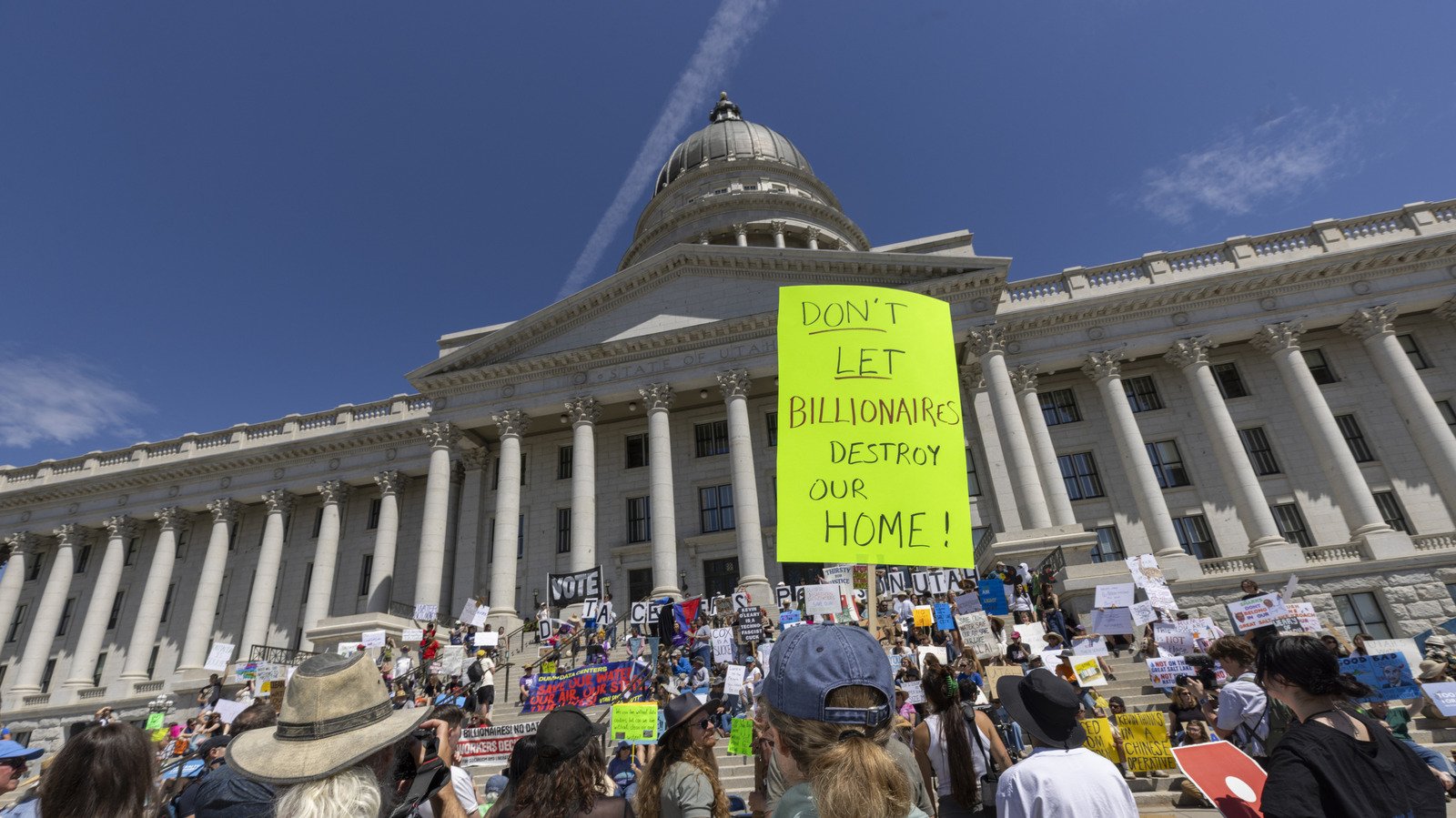
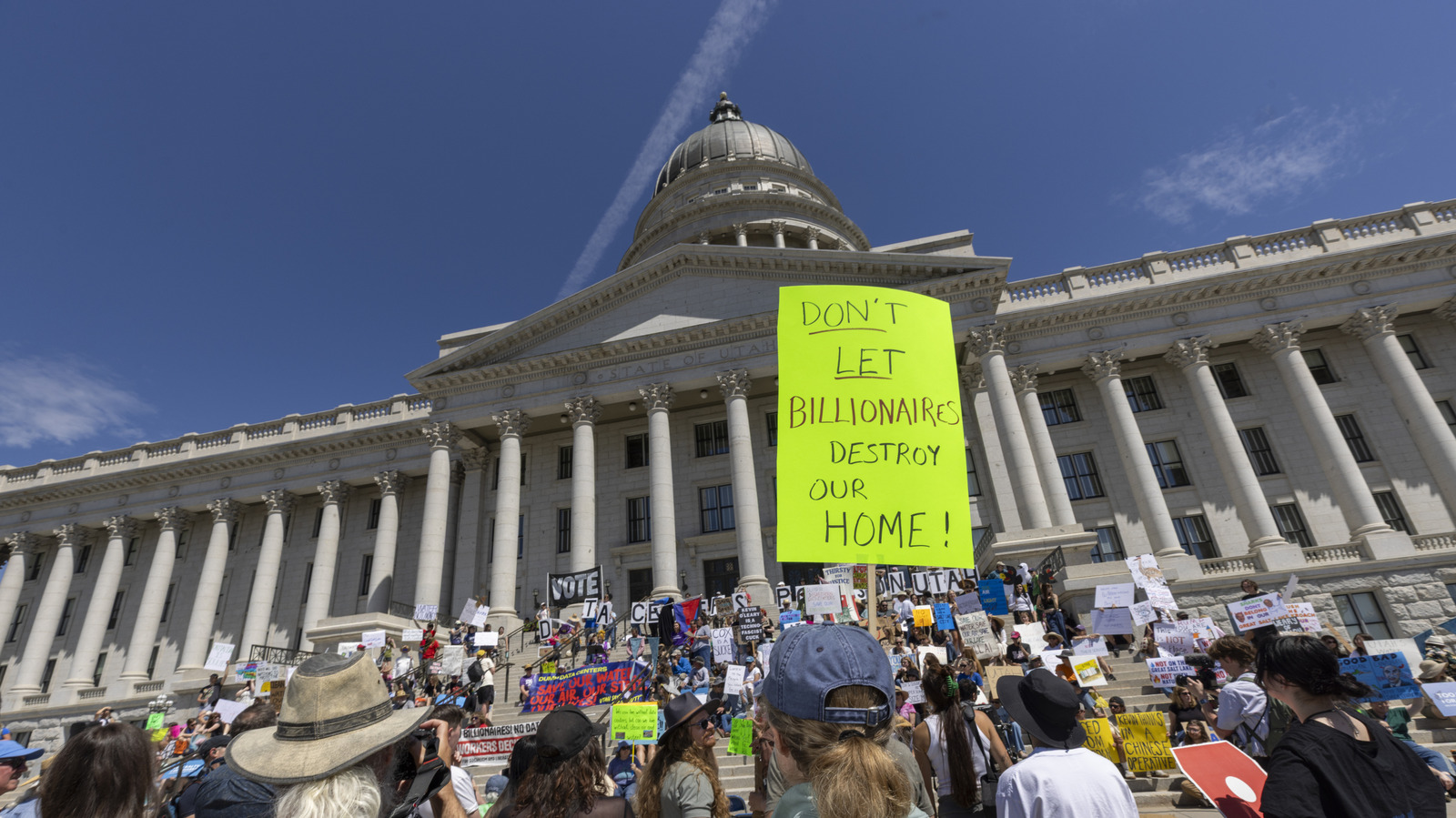
As one person, you cannot prevent a data center from being built near your home. Collective action is required, but the good news is that finding like-minded individuals won’t be a challenge. “We’re seeing this as a nonpartisan issue on the ground — I wouldn’t even say bipartisan, I’d say nonpartisan — where folks are showing up regardless of race, regardless of class, learning basic organizing principles so they can fight back at the hyper-local level,” says Conner. Town hall meetings, social media, your local church, all are good places to find those individuals.
Once you’re part of a group, one of the most effective strategies is to advocate for guardrails that ensure a company must consult your community before it ever embarks on a project in your backyard. “One of the first things we advise, even before there’s a live proposal on the table, is to make sure local land use ordinances require notice and input from the community up front,” says Garcia. You and your neighbours should advocate for bylaws that ensure data centers aren’t allowed “by-right” in any zone in your community. By-right permitting means a project can move forward simply because it meets all applicable development standards and use-specific requirements in your state.
Given the secrecy involved with many data center projects, building a coalition as soon as possible is essential. “What we advise is not to start when you first hear about a data center, but really to watch the pipelines being built, and any changes in the utilities or the grid,” says Conner.
In Conner’s experience, companies will often employ what she describes as a “piecemeal” approach to a buildout. For example, the tech giants will often work to secure permitting for a power plant and gas infrastructure long before they do the same for the actual data center they intend to build.
“Try to get as much information as possible, so file public records requests to see what communication or correspondence may have happened related to the data center,” says Conner. Every state has its own set of laws governing how people can request and obtain public records. The National Freedom of Information Coalition provides guidance and resources to help Americans file such requests. The organization also operates hotlines that can answer any questions you might have about the process.
“By the time people find out [that power plant or pipeline] is for a data center, a number of decisions have already been made. So we’re encouraging people to be part of all the environmental permitting decisions, construction permitting decisions, planning and zoning commission meetings, city council meetings — and really ask the hard questions.”
According to Garcia, some communities — like Birmingham, Alabama — have also found success pushing for special-use permitting requirements, which force companies to obtain special authorization to site a data center. “That allows for a front-end conversation about conditions that can be placed to address the community’s concerns about air, water, or whatever’s specific to that project,” says Garcia. “We actually recommend a ‘both-and’ approach: have the specific guardrails in place, and also require a special-use permit, especially for larger data centers — because one size doesn’t fit all. Every community is different, and different concerns come up depending on where a facility is located.”
In March, Birmingham city council passed a six-month moratorium and one of the strongest zoning policies in the country. On July 21, Nashville’s Metro Council voted to establish new regulations for data center development.
According to Data Center Watch, an organization that’s been tracking the growing opposition to data center development, the first quarter of 2026 saw 75 projects across the US worth approximately $130 billion either disrupted or blocked by local opposition. “The quarter reflected a structural shift rather than a cyclical spike: communities have internalized an opposition playbook, legislative sessions introduced formal regulatory uncertainty, and the number of active opposition groups more than doubled across 49 states,” the group writes on its website.