dailynewsnblog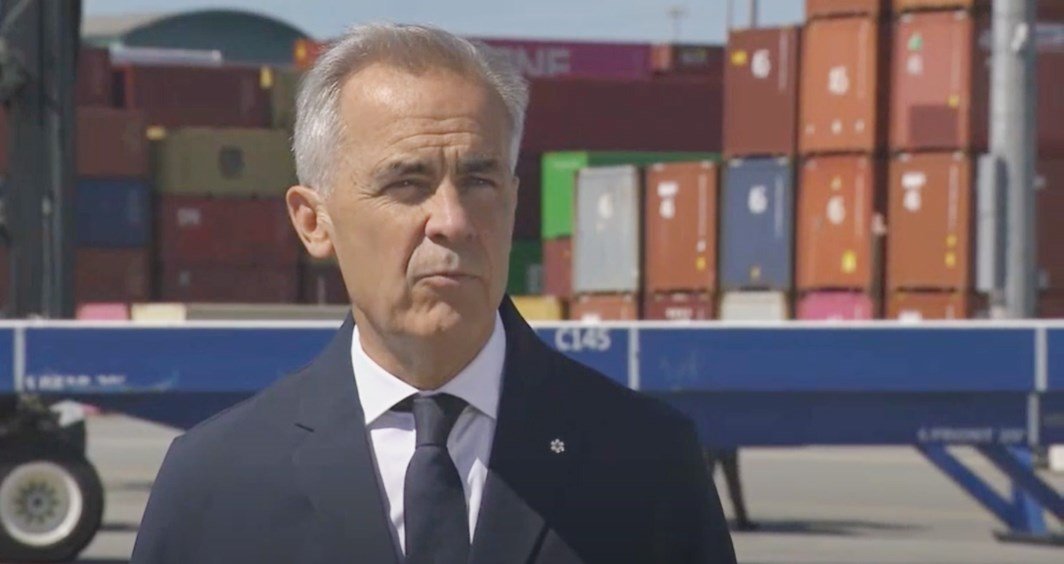

Prime Minister Mark Carney was in Delta on Thursday (July 30) for a tour at the Deltaport container facility, which is now among the highlights of Canada’s new strategy to diversify trade.
Thanking Tsawwassen First Nation Chief Laura Cassidy and Musqueam Indian Band Chief Wayne Sparrow who were on hand, Carney told reporters that port expansion will be an important component for the country being able to grow its exports away from the United States by over 50 per cent.
“It’s a pleasure to be here at Canada’s largest port,” said Carney. “Within the next decade we need to grow our economy, become stronger, more diversified and trade more with Asia and other parts of the world. We’re looking at expanding this port, but everything is connected. Expanding the port requires increasing the capacity and the efficiency of our rail system. It also means working to enhance our exports of energy and others.
“We have tremendous opportunities in order to do that, but in order to seize those opportunities, the federal government is looking to invest about $10 billion dollars to help expand the port, grow our exports away from the United States by more than 50 per cent, create over 17,000 jobs in the construction of that, another 17,000 full-time jobs managing that additional capacity and that is not counting all the knock-down effects on other businesses.”
Carney added that working with local First Nations is very important.
“We’re working with Tsawwassen First Nation, the Musquem Indian Band, the Squamish First Nation, the Tslei Waututh Nation. This is unceded territory and traditional lands. There are treaty rights from the First Nations. We need to work in a way that is building inclusively with Indigenous partners, sharing in the economic benefits, ensuring that the incredible natural resources we have is not just preserved but enhanced,” said Carney.
The federal government recently announced a plan to strengthen global trade through the Port of Vancouver.
At the Deltaport facility earlier this month, Steven MacKinnon, Federal Minister of Transport announced the referral of the Port of Vancouver Gateway Strategy to the Major Projects Office.
According to the federal government, the transformational strategy and associated pillars, including Roberts Bank Terminal 2 (RBT2), reflect the type of nation-building infrastructure projects the Building Canada Act aims to urgently advance to diversify and grow trade capacity.
The port said its “three-berth container terminal will unlock $100 billion of trade capacity annually and help the Port of Vancouver move more of what Canadians make, mine, harvest and grow, supporting Prime Minister Mark Carney’s goal of doubling non-U.S. exports in the next decade.”
The port recently announced it has selected TerraMarine, a consortium of Canadian and international firms, as the preferred construction partner for the landmass and wharf component of the RBT2 project.
The new terminal is expected to begin construction in 2028 and begin operations by the mid-2030s.
-with files from Sandor Gyarmati