dailynewsnblog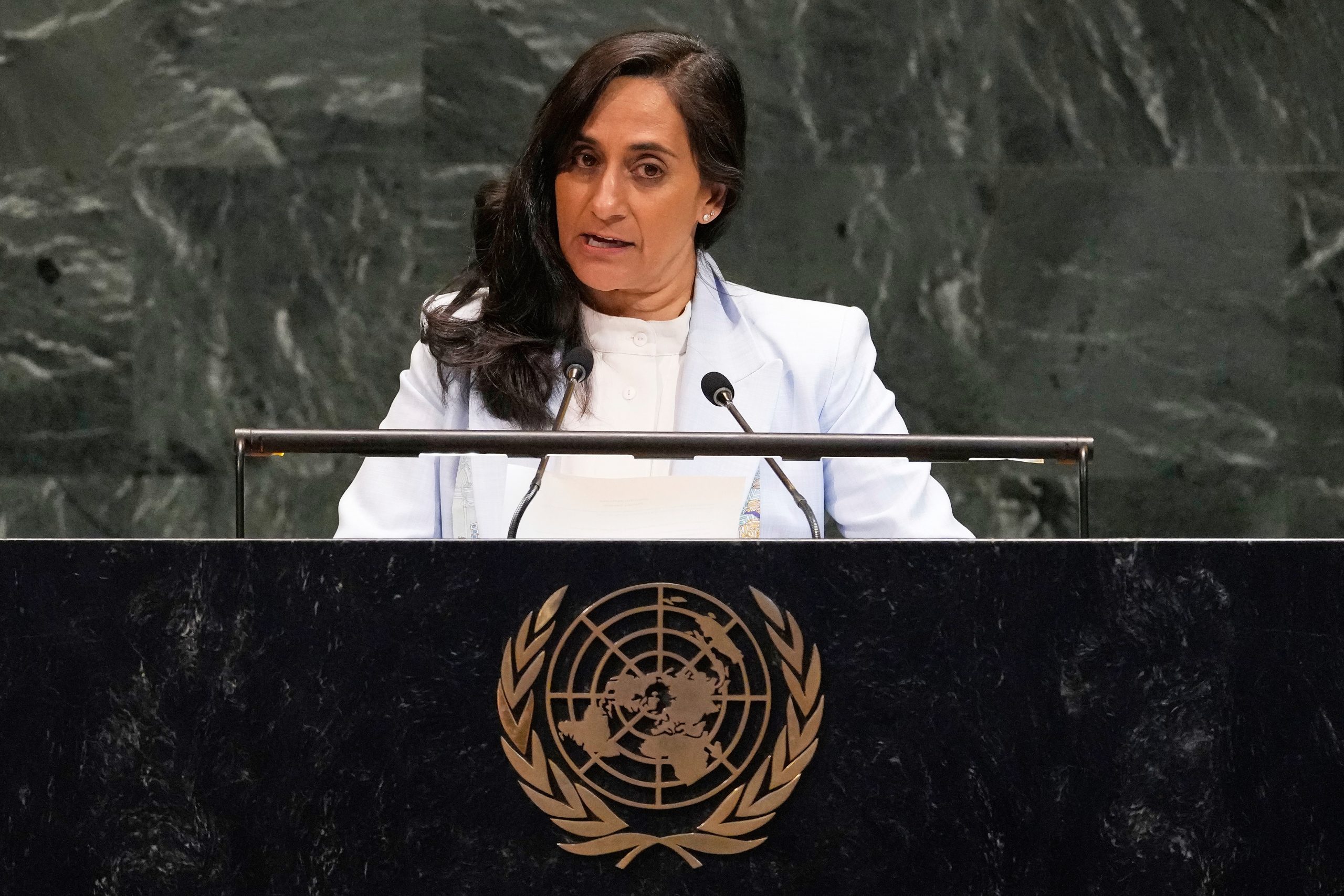
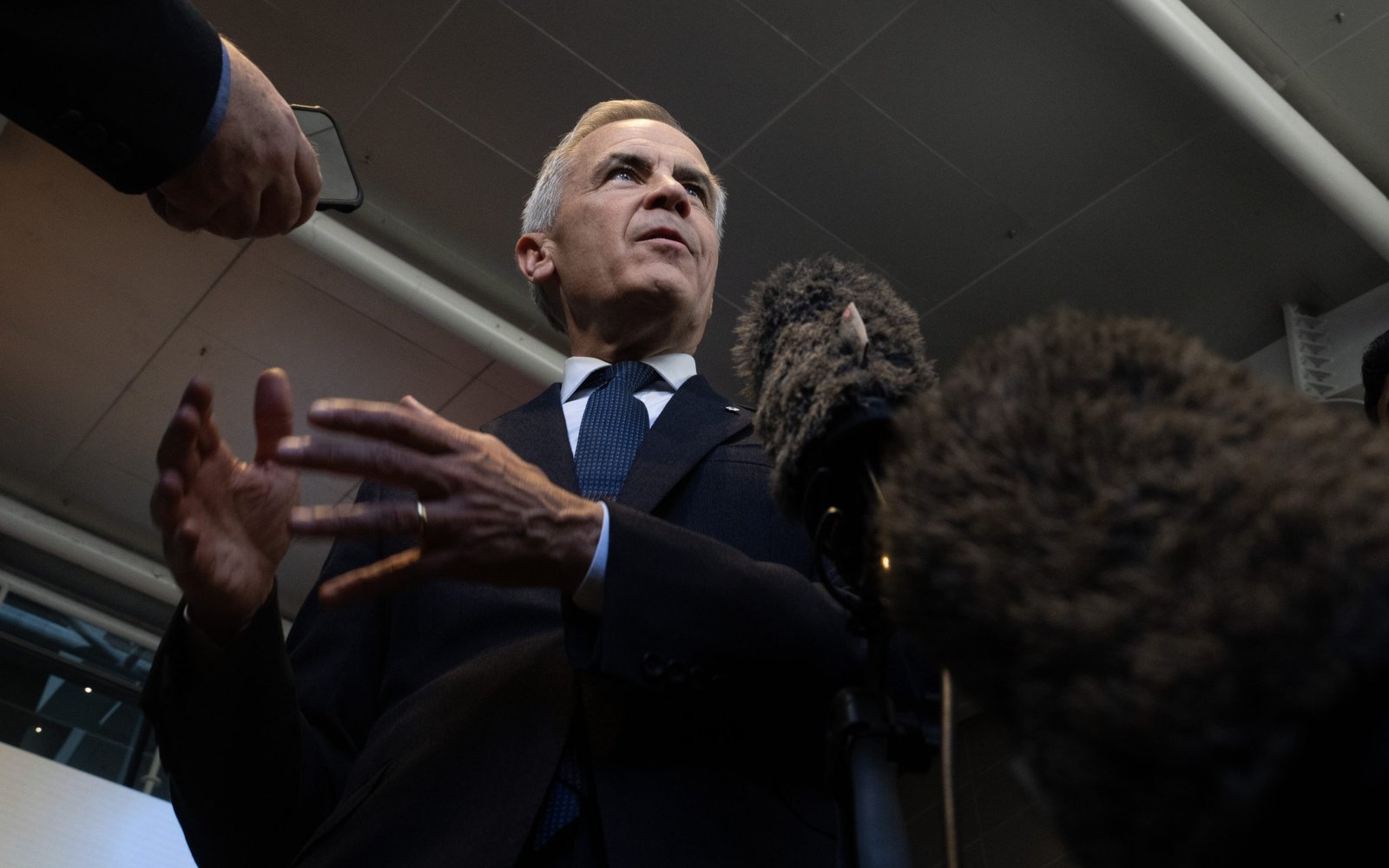
Foreign Affairs Minister Anita Anand says she’s heading to the United Nations this fall to outline how Canada plans to implement Prime Minister Mark Carney’s vision for the global stage, as laid out in his famous Davos speech earlier this year.
She said that would include calls for the business community, civil society and the country at large to “ensure that we’re all pulling in the same direction in terms of building Canada strong.”
“Our foreign policy has taken a significant shift from previous iterations of Canada’s foreign policy, owing to the geopolitical environment in which we’re operating, and a ruptured economic order,” she said in a lengthy interview for a bonus episode of iPolitics‘ No Talking Points podcast, which will air next week.
“As a result, and the prime minister laid this out in his speech at Davos, Canada is embracing pragmatic foreign policy infused with our long-standing principles.”
More from editor-in-chief Marco Vigliotti.

Also penned by Vigliotti:
The federal government shouldn’t interfere in a prospective work stoppage at WestJet because it would undermine negotiations between the airliner and its flight attendants, say the opposition Conservatives.
Kyle Seeback, the party’s labour critic, said WestJet must end its policy of refusing to pay flight attendants for work done prior to takeoff and that will only happen if they are forced to sit down at the bargaining table.
He said that was the case for Air Canada flight attendants, who pressured the airliner to negotiate a new deal last fall after defying an order from Jobs and Families Minister Patty Hajdu to end their strike.
“I’d like them to let the collective bargaining process work its way out, and not to intervene early like they did with the Air Canada flight attendants, because the big issue here is unpaid work, and flight attendants provide a lot of unpaid hours of work,” Seeback said in an interview on Wednesday.

And finally, the federal and Alberta governments have signed an agreement to accelerate homebuilding in the province by funding water and wastewater infrastructure.
The agreement, announced by Prime Minister Mark Carney and Premier Danielle Smith in Red Deer, allows Alberta municipalities to access more than $510 million in federal funding over eight years.
The province is to contribute at least one-third of eligible project costs with up to $428 million of funding.
Under the agreement, Alberta is to maintain the lead role in identifying and prioritizing projects with the federal Canadian Housing Infrastructure Fund for regional needs.
CP has the breakdown.
In Other Headlines
Internationally
Soldiers and emergency workers combed through a badly damaged shopping mall and collapsed houses looking for trapped survivors on Wednesday after a powerful earthquake that killed at least 18 people and left many missing in southwestern Japan.
Bullet train services and some airport operations remained suspended and damage was still being assessed a day after the magnitude 7.1 earthquake struck the Kumamoto area on the southern main island of Kyushu late Tuesday afternoon.
It remained unclear how many people were missing.
Japan’s Self-Defence Forces were joining rescue workers in the search and rescue operations. Firefighters from Taiwan were also arriving to help with the effort.
“There are people who are still waiting to be rescued, and it’s a race against time,” Prime Minister Sanae Takaichi said. “We will go all-out to find and rescue as many people as we can.”
The Associated Press has the story.
Hundreds of thousands of people have fled their homes in southwestern France and Spain as extreme wildfires intensify. At least three people have died, including two firefighters. Many houses have been lost.
While this region is no stranger to fire, our analysis shows these wildfires are off the charts. A very hot summer primed many areas for fire. When they ignited, they spread ferociously. The area of land burned in France is already 40% larger than the previous record year.
Some fires pose threats to large cities such as Bordeaux in France and Madrid in Spain. For the first time ever recorded in France, a fire thunderstorm (pyrocumulonimbus) formed over fires and made them worse. French President Emmanuel Macron described the fires as “unprecedented”.
A Spanish firefighter told AP the fires were extremely hard to fight: “the fire is so virulent and has such power that no matter what you do, you can’t put it out.”
This piece in The Conversation explains why Europe’s wildfires are so hard to control, just as the continent braces another heatwave.
In Other International Headlines
The Kicker
Here’s a fun fact for all the royal watchers out there…
Canadian taxpayers spent more to protect Prince Harry over five years during his visits to Canada than any other internationally protected person over the same period, CBC News has learned.