dailynewsnblog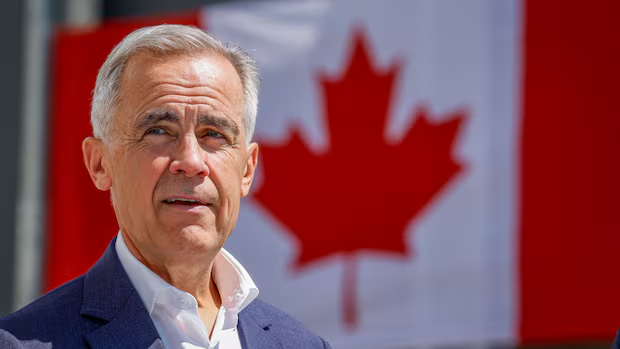

Listen to this article
Estimated 4 minutes
The audio version of this article is generated by AI-based technology. Mispronunciations can occur. We are working with our partners to continually review and improve the results.
Prime Minister Mark Carney says that he doesn’t “see the value” in using Canadian energy exports as a bargaining chip as U.S. President Donald Trump is threatening further tariffs on Canadian goods.
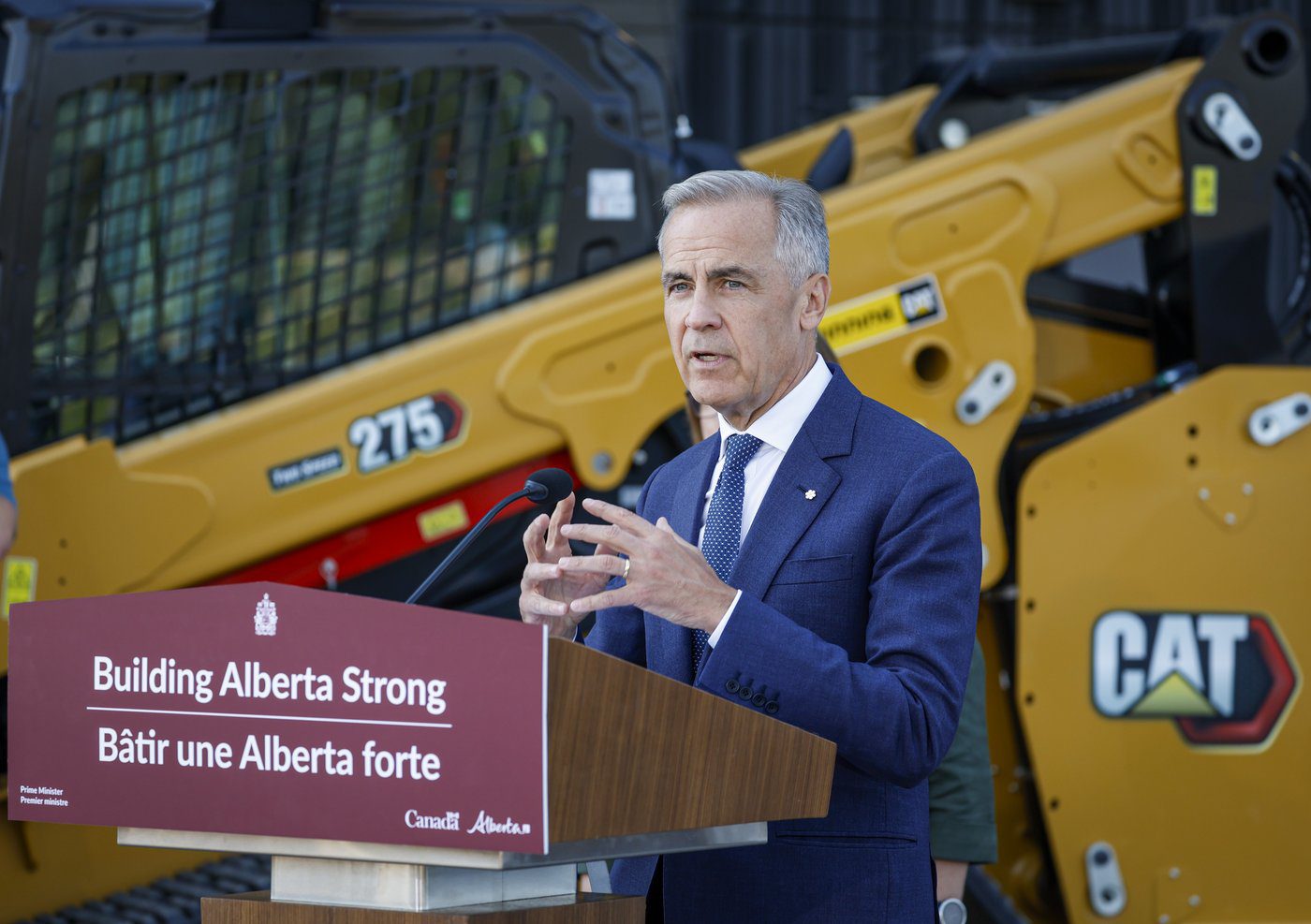
Speaking to reporters at a housing-related news conference in Red Deer, Alta., on Wednesday, the prime minister was asked twice about the possibility of holding back energy exports to the U.S., including oil.
At first Carney said his main focus is on getting some sort of agreement in place before new 50 per cent tariffs come into force on Aug. 19.
“We have lots of options of what we would do if that’s not there — both positive in terms of supporting the economy and also addressing other issues. But I’m not going to be drawn on what we’re going to do. We’re going to focus now on building towards an agreement,” the prime minister said.

Asked whether he’s willing to use Canadian energy as a bargaining chip in trade negotiations with the United States, Prime Minister Mark Carney said he doesn’t see the value in doing so and highlighted the importance of being a reliable supplier. ‘When you’re a supplier of a key commodity, key service, you’ve got to think really hard about not supplying.’
But when asked a second time, about whether Alberta oil specifically could be used as leverage, Carney suggested which way he could be leaning.
“Being a reliable supplier is important. Canadians are reliable. Canadians can be trusted,” Carney said.
“When you’re a supplier of a key commodity, key service, you’ve got to think really hard about not supplying [it],” he said. “I don’t see the value of it.”
Carney’s latest comments are a shift from last week when he met with Canada’s premiers. Trump’s latest tariff threat dominated much of the talks.
Following that meeting, the prime minister said that “everything’s on the table” as a possible response if no agreement is reached by Aug. 19.
Ontario Premier Doug Ford has been the most vocal proponent of using energy exports as leverage in talks with the U.S.
Not long after landing in Prince Edward Island for last week’s meetings with Carney and the other premiers, Ford again called for Canada to play the energy card if necessary.
“We are an energy powerhouse and we could dismantle the U.S. if we wanted to,” he said.
“The potash, the oil, we’re their number-one customer in the world, they need to feel the pain rather than us constantly feeling the pain.”
Alberta’s Danielle Smith, who was with Carney for Wednesday’s announcement, said point blank last week that withholding energy is “not going to happen.”

The second day of the Council of the Federation’s summer meeting wrapped on Wednesday with the premiers gearing up for some face time with Prime Minister Mark Carney on Thursday. Ontario Premier Doug Ford tells Power & Politics how he believes Ottawa should respond to these latest tariff threats and what he says he honestly thinks about the prime minister.
The Trump administration says the looming 50 per cent tariffs are in response to unfair trade practices in three areas: the provincial bans on U.S.-made alcohol, Canada’s protected dairy industry and the integrated auto industry.
When breaking down the hundreds of products that the U.S. is promising to levy next month, B.C, Quebec, Manitoba and Nova Scotia — provinces that have taken U.S. liquor and wine off the shelves — stand to take bigger hits than others.
Dominic LeBlanc, the federal minister responsible for Canada-U.S. trade, is in Washington this week and met with U.S. Trade Representative Jamieson Greer on Wednesday.
LeBlanc posted on social media that the meeting was “comprehensive” and the two “agreed to remain in close contact and continue working together.”
The latest tariff threat comes against the backdrop of the ongoing Canada-U.S.-Mexico Agreement (CUSMA) talks.
Following Trump’s announcement, Carney said he spoke with the U.S. president and that the two agreed to “intensify negotiations.”