dailynewsnblog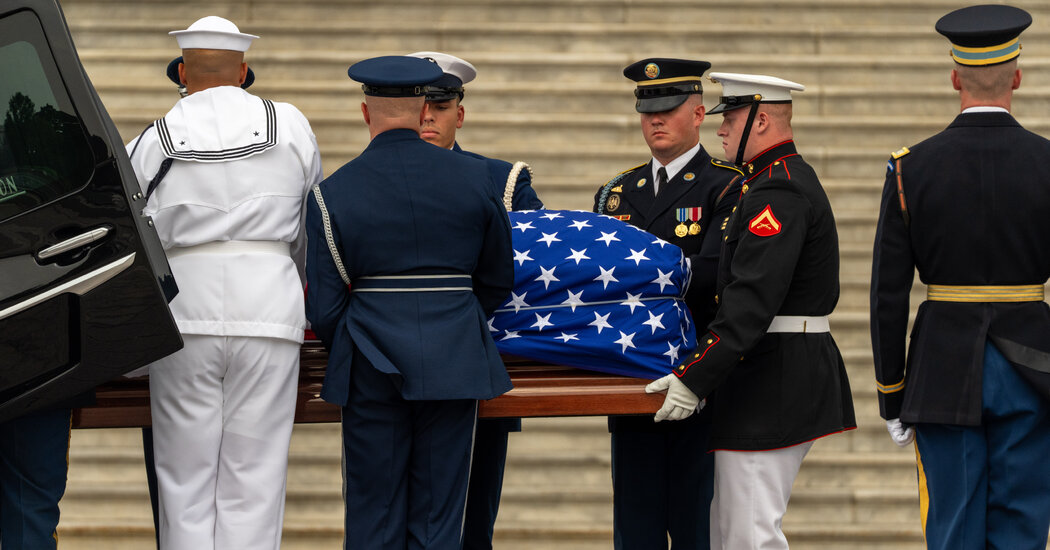
Lindsey Graham will be laid to rest on Wednesday after an intimate funeral in his home state of South Carolina, where friends and family will gather to remember a Republican who was raised in the back of a small-town bar and catapulted to the forefront of the Senate.
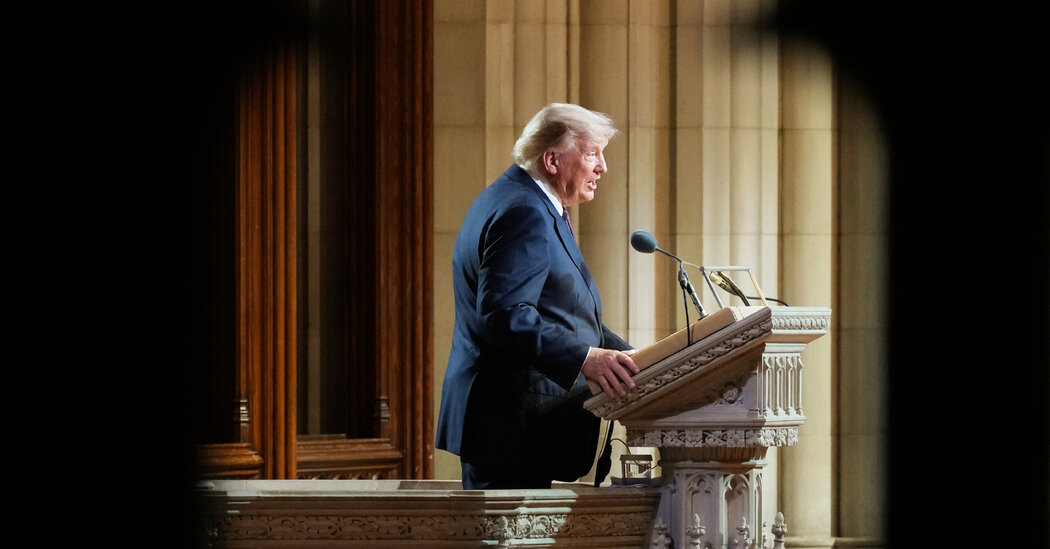
The South Carolina services were to be deliberately modest after Tuesday’s memorials at the U.S. Capitol and Washington National Cathedral, where Mr. Graham, who died this month at 71, was eulogized by President Trump and celebrated by other heads of state.
“He was the first person to make you laugh,” the president said Tuesday, “and one of the last people that you really wanted to fight.”
Where are Wednesday’s events?
Funeral services will begin at the State House in Columbia, the state capital, around 10:45 a.m. Mr. Graham’s remains will then be taken to First Baptist Church of Columbia for a service at noon, followed by a private family burial in Pickens County, where he was born and raised.
Mr. Graham died suddenly of a tear in his aorta after returning from Ukraine, which is waging a war of survival that the senator had long championed. Ukraine’s president, Volodymyr Zelensky, and Israel’s prime minister, Benjamin Netanyahu, attended his memorial on Tuesday, but the dignitaries on Wednesday are expected to be local.
Who will succeed Senator Graham?
Mr. Graham’s death has set off a succession scramble. His sister, Darline Graham, was appointed by Gov. Henry McMaster, a Republican, to serve the remainder of his term. Then Ms. Graham announced last week that she would enter the race to succeed her brother for a full six-year term, even as other well-known conservatives announced their plans to run.
Mr. Graham had won renomination in the June 9 Republican primary for a fifth term in the Senate. Dr. Annie Andrews, a physician, will try to break through as a Democrat in the heavily Republican state.
The special Republican primary to select Mr. Graham’s replacement is on Aug. 11. In addition to Ms. Graham, the Republican candidates include Representatives Ralph Norman and Russell Fry and former Gov. Mark Sanford. They are expected to be in the pews at his funeral.
How will the senator be remembered?
The focus on Wednesday will be on Mr. Graham’s legacy. He was born in Central, S.C., a small town in the western part of the state, where he was shaped by an upbringing in the back of the bar that his parents owned.
After climbing South Carolina’s political ranks, he served four terms in the House and 23 years in the Senate, building a reputation as a foreign-policy hawk who once opposed, then embraced Mr. Trump. His advocacy of aggressive military action abroad — “he never saw a war that he didn’t like,” Mr. Trump said of him on Tuesday — rankled some in his home state and in the president’s political movement.
Mr. Graham never lost a statewide election, but his willingness to occasionally work with Democrats made him a target for attacks from conservative activists and primary challengers.
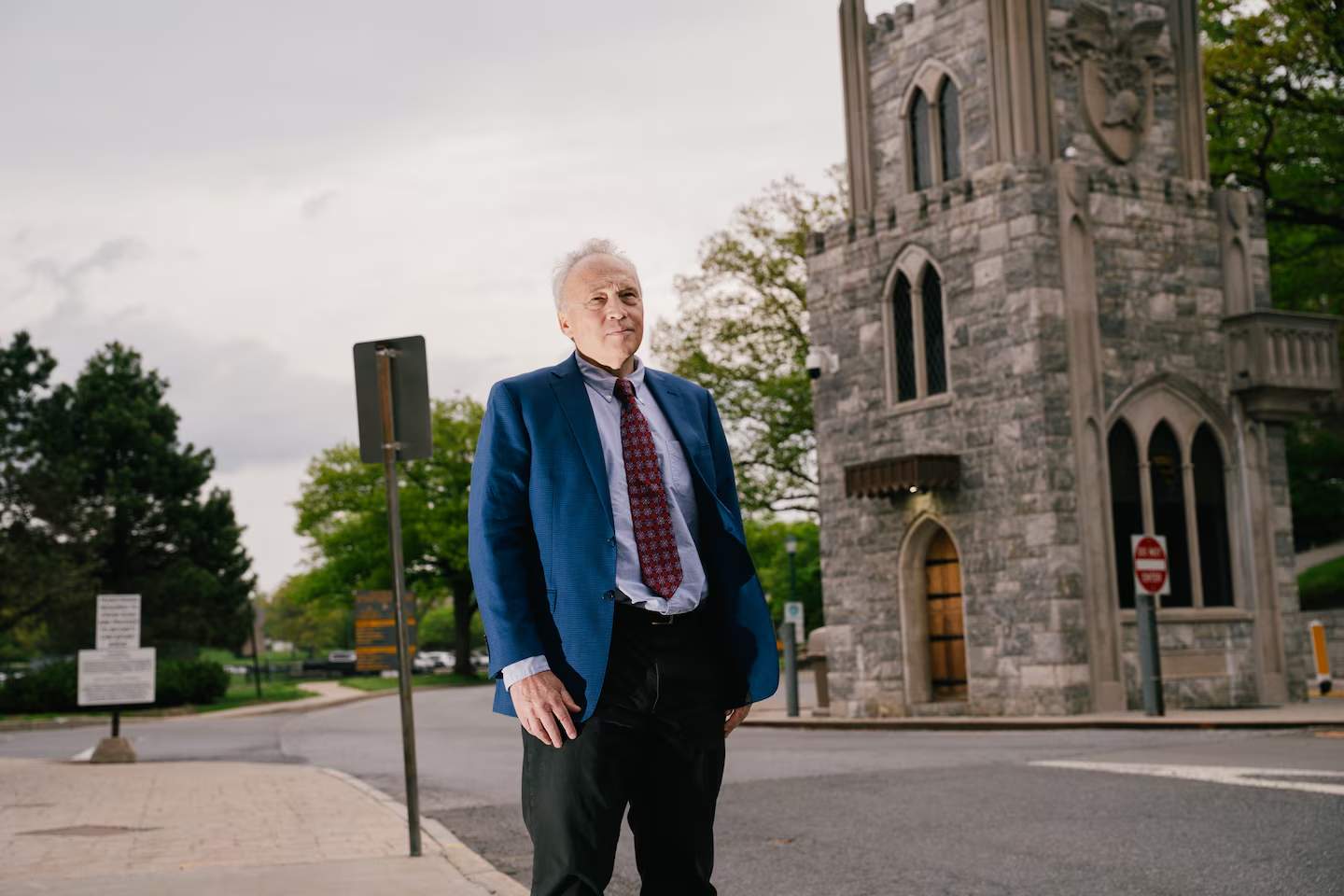
Scott Huffmon, a political science professor at Winthrop University in Rock Hill, S.C., and the director of the Winthrop Poll, wrote this month that Mr. Graham “became slightly misaligned with his party back home as his ideology, relative to his peers, stayed in the middle and the preferences of South Carolina Republicans drifted further to the right.”
Still, Mr. Graham proved to be politically resilient, even if his relationship with Republican voters was complicated.
Emily Davies contributed reporting.