dailynewsnblog

Listen to this article
Estimated 4 minutes
The audio version of this article is generated by AI-based technology. Mispronunciations can occur. We are working with our partners to continually review and improve the results.
Neskantaga First Nation’s chief and council are calling for better communications from the Provincial Emergency Operations Centre (PEOC) amid its ongoing state of emergency over the region’s wildfires.
The remote Ojibway community, located about 440 kilometres northeast of Thunder Bay, declared a state of emergency on July 16.
The First Nation’s concerns were two-fold: wildfire smoke was affecting the health of its members, and road closures caused by wildfire activity delayed the delivery of essential supplies.
Neskantaga’s Chief Gary Quisses says he felt disrespected during his most recent call with PEOC representatives on Thursday.
“It was very disappointing when they cut us off during our call,” Quisses told CBC News on Sunday. “It was very limited updates.”
The next call with PEOC isn’t scheduled until this coming Thursday, he said.

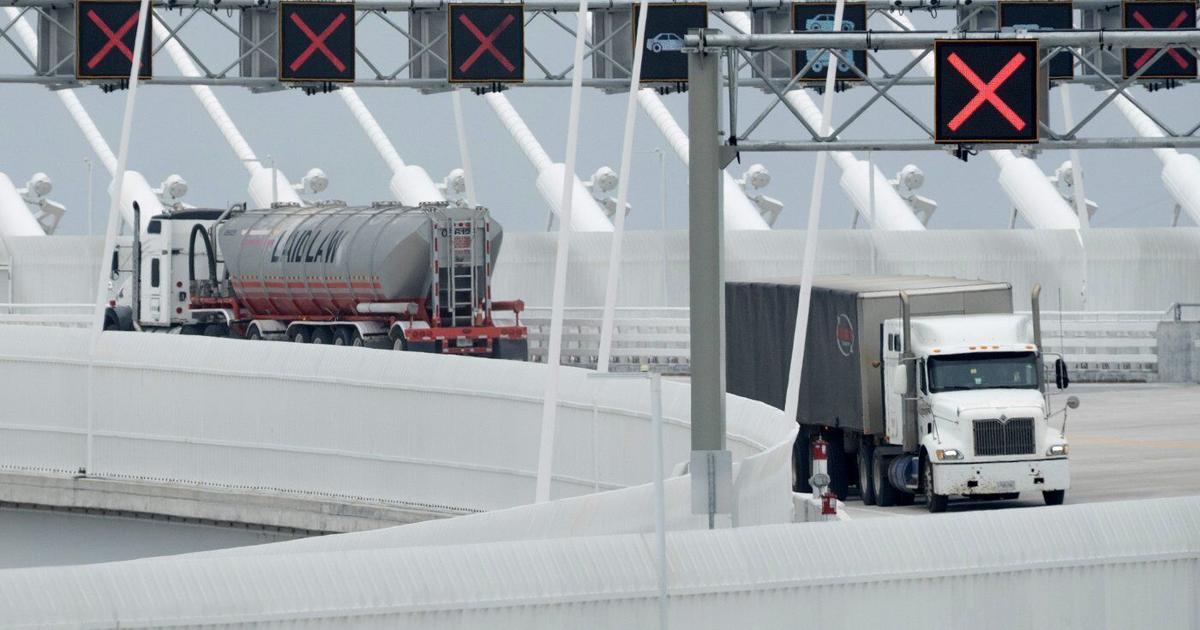
Neskantaga’s food is transported from Winnipeg to Pickle Lake before being flown up to the First Nation. However, a road closure on Highway 599 earlier this month meant the delivery trucks were rerouted to Red Lake. For a while, the smoke became too heavy for planes to travel north with supplies.
Quisses says he wasn’t told about the road closures ahead of time.
“Our food was outdated by the time it got there,” he said.
These challenges are compounded by the fact that Neskantaga has been under a boil water advisory for more than 31 years, the longest in effect across the country.

More than 140 of the community’s most vulnerable — consisting of children, pregnant people, older adults and those with underlying health conditions — are staying in Mississauga. Quisses says they hope to return to Neskantaga early next week.
While the transportation issue has since been resolved, Neskantaga is still playing catch-up in making sure those remaining in the First Nation have everything they need.
While forest fire hazards have decreased due to recent rain and cooler temperatures, more than 2,800 people from over a dozen communities in northwestern Ontario remain displaced.
“The challenge is the safety of the people,” Quisses said. “Everybody has to be safe and go home in one piece.”
‘They have to do better’
When asked about Neskantaga’s concerns, a spokesperson for Ontario’s Minister of Emergency Preparedness and Response provided an emailed statement to CBC News on Friday.
“We have engaged our vendors and partner networks to secure the requested supplies and equipment. We anticipate receiving confirmation regarding availability and delivery timelines of the requested items, from our vendors and partners, over the next two days,” wrote spokesperson Julia Facca.
“We will update the chief directly, as is our standard practice, and will launch those items to the community without delay.”
Quisses said he hopes to see improved communications with provincial authorities; “that way we don’t have challenges like this.”
“They have to do better — like they have to understand the community. They have to understand why there is an evacuation,” Quisses said.
As for those staying in Mississauga, Quisses said First Nations from the Greater Toronto Area have stepped up to support his people with day trips and other activities.
“When we say we’re connected, that’s the connection we’re talking about. That understanding for every Indigenous person right across the country; we understand each other,” Quisses said.
“Even though the dialect and the language is different … we feel for each other.”
The Hope for Wellness Helpline provides immediate, toll-free telephone and online chat-based emotional support and crisis intervention to all Indigenous people in Canada. This service is available 24/7 in English and French, and upon request in Cree, Ojibway and Inuktitut.