dailynewsnblog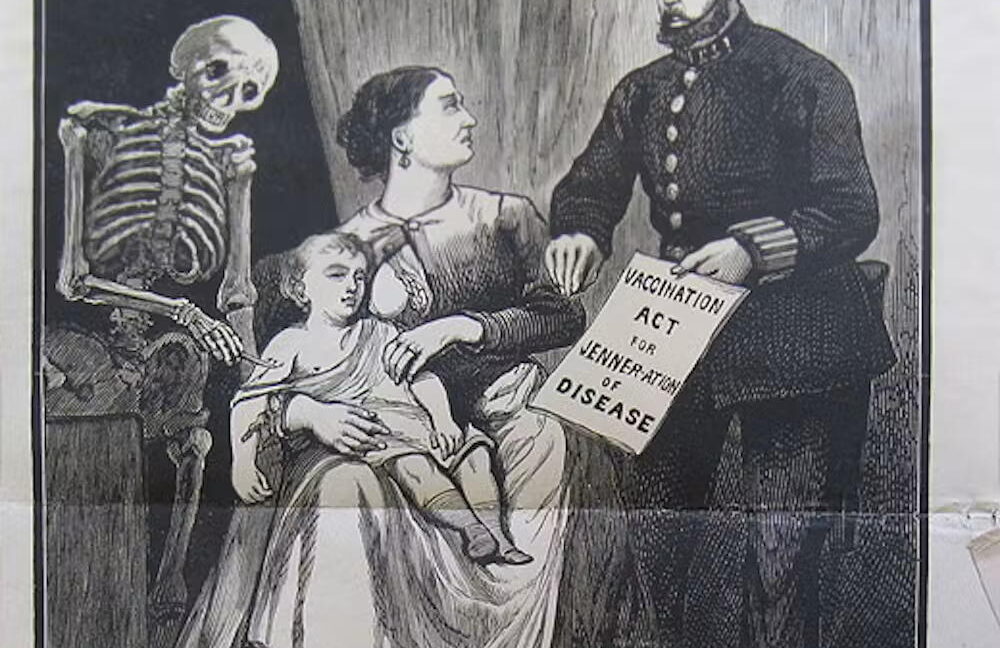
As long as there have been vaccines, there have been people who doubted their science and safety.
Back in 19th-century England, people rioted against a mandatory smallpox vaccine, claiming that it violated civil rights and was an affront to human bodily integrity. In the United States, organizations dedicated to resisting vaccines have existed since the Anti-Compulsory Vaccination League of Brooklyn was established in 1894.
Researchers generally refer to people who do not follow the standard advice of health professionals about vaccines, by either refusing or delaying some or all vaccines, as vaccine hesitant. Today, vaccine hesitancy is most famously associated with the Make America Healthy Again movement and its standard-bearer, Health and Human Services Secretary Robert F. Kennedy Jr.
Public health advocates and science communicators have largely tried to counter these ideas by offering accurate, factual information. But as a medical humanities researcher studying how groups that embrace vaccine hesitancy craft their message, I’ve learned that part of why vaccine hesitancy is so hard to combat is how these groups use storytelling to spread their views.
Vaccine-hesitant groups have fewer limitations than pro-vaccine groups on the kinds of stories they can tell about the development and impact of vaccines. While science-driven messaging that encourages vaccination has to be faithful to the complex and often uneventful reality of science, vaccine-skeptic stories tend to make more dynamic claims.
Why facts aren’t enough
It’s easy to assume that people who mistrust vaccines are undereducated, and therefore, that providing better information about science and vaccines would increase confidence in vaccines. This is sometimes called the information deficit approach.
In response to this perceived information deficit, public health experts and science communicators have worked hard to create accessibly written, welcoming educational materials about vaccines in order to help improve scientific literacy.
But this approach has had only limited success. One indication: The number of people who express vaccine-hesitant views continues to grow.
This partly relates to a misunderstanding about vaccine hesitancy: It’s not that people don’t understand science or don’t have access to high-quality medical information. Vaccine hesitancy is what policymakers call a “wicked problem”—one that’s particularly hard to solve because it’s fueled by a range of issues, including misinformation, the desire for social belonging, and deeply held religious beliefs.