dailynewsnblog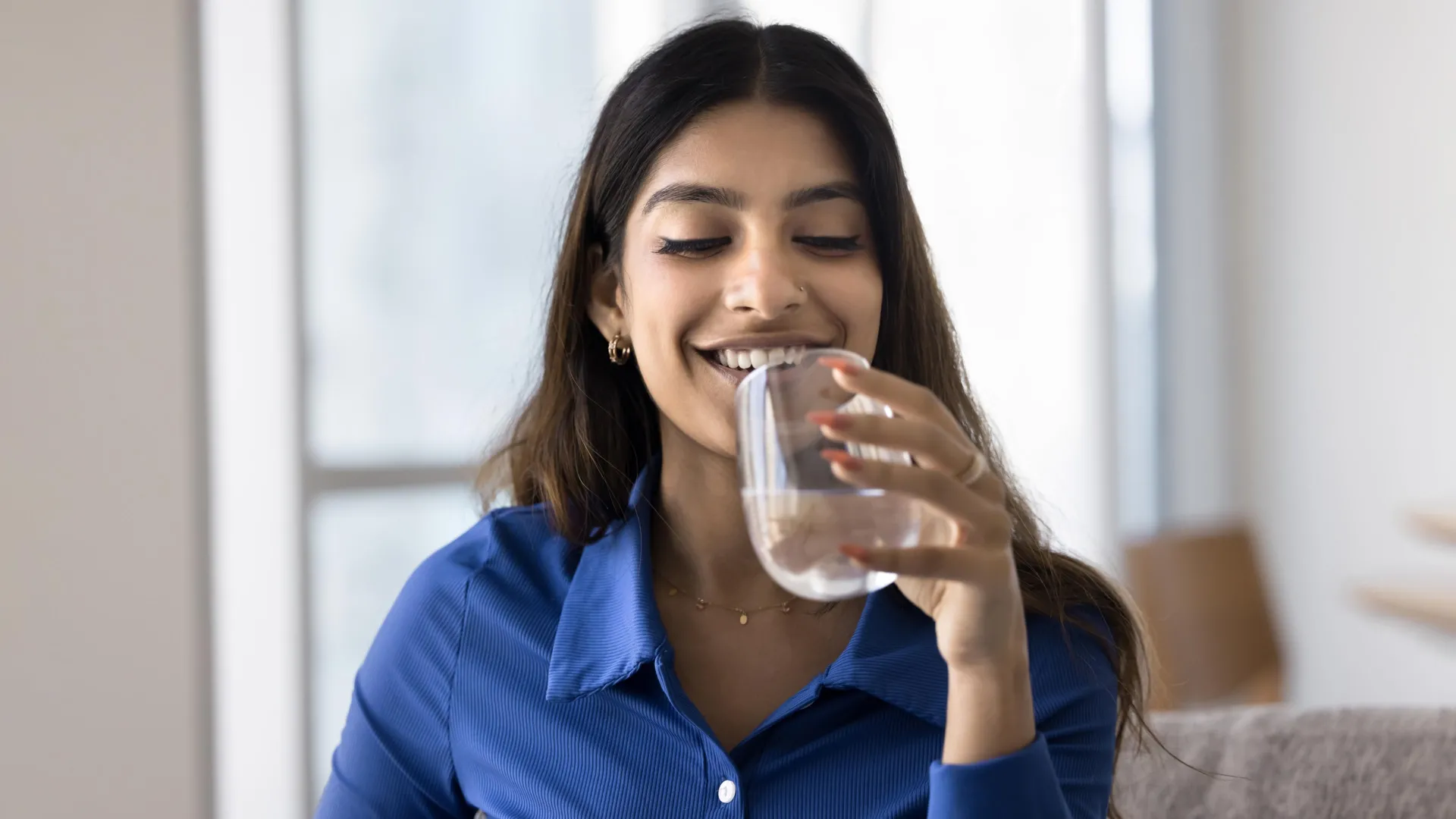
Unsweetened sparkling water may be a better option for teeth than sugar-sweetened soda, according to preliminary research comparing how several popular drinks affect acidity in the mouth.
Tooth enamel can begin to dissolve when the mouth’s pH falls below about 5.5. The new findings suggest that sparkling water can temporarily lower oral pH, but the effect appears to be less pronounced than the drop caused by soda.
“Many people are switching from soda to sparkling water, and our findings suggest that unsweetened sparkling water may be a lower-risk alternative to soda, when consumed in moderation and alongside good oral hygiene practices,” said Wajiha Zulfiqar, a graduate student in Nutrition Science at Purdue University.
Zulfiqar presented the results at NUTRITION 2026, the flagship annual meeting of the American Society for Nutrition, held July 25-28 in National Harbor, Maryland, just outside Washington, D.C.
Comparing Sparkling Water and Soda
Previous research has shown that sugar-sweetened soda can promote dental erosion by pushing mouth pH below 5.5. Far less is known about how unsweetened sparkling water influences acidity inside the mouth.
To investigate, researchers tested sugar-sweetened soda, regular sparkling water, calcium-fortified sparkling water, and plain water in 20 adults. Every participant drank each beverage, allowing the team to reduce the influence of natural differences between individuals.
The researchers measured salivary pH rather than relying only on the acidity of the beverages themselves. This allowed them to observe how the mouth responded immediately after each drink was consumed.
“Directly comparing different beverages using the same experimental framework allowed us to evaluate the effects of sparkling water relative to both soda — a higher-risk beverage — and plain water as a neutral reference,” said Zulfiqar. “Additionally, by measuring how the mouth responded in real time, rather than only testing beverage acidity alone as other studies have done, our study provides a more realistic understanding of how these drinks may impact oral health.”
Soda Caused the Largest Drop in pH
Among the beverages tested, soda produced the greatest increase in mouth acidity. Salivary pH was significantly lower after soda than after water at both 2 minutes and 20 minutes following consumption.
Regular unsweetened sparkling water caused a temporary decline in salivary pH after 2 minutes. Calcium-fortified sparkling water produced a decrease after 5 minutes. With both types of sparkling water, pH had returned to nearly its starting level within 20 minutes.
Saliva also helped restore normal acidity after participants drank soda or sparkling water. In the short term, pH remained above the threshold associated with enamel damage.
The researchers emphasized that the experiment measured only brief changes in salivary pH. The likelihood of dental erosion in everyday life can also be affected by how often someone drinks a beverage, how long the teeth are exposed to it, and whether the drink contains sugar.
A Potentially Safer Soda Alternative
“Our results suggest that replacing sugar-sweetened sodas with unsweetened sparkling water may help lower the risk of enamel erosion,” said Zulfiqar. “The results also highlight an opportunity for the beverage industry to explore reformulation strategies that could potentially reduce the erosive potential of acidic beverages.”
The team next plans to examine the long-term effects of sparkling water on oral health. Future studies could determine whether it alters other features of the mouth that contribute to healthy teeth and gums.
Zulfiqar presented the research on Sunday, July 26, during the Clinical Nutrition II Poster Session in the Gaylord National Resort & Convention Center (abstract).
Abstracts presented at NUTRITION 2026 were reviewed and selected by a committee of experts. However, they generally have not completed the peer review process required for publication in a scientific journal. The findings should therefore be regarded as preliminary until they appear in a peer-reviewed publication.