dailynewsnblog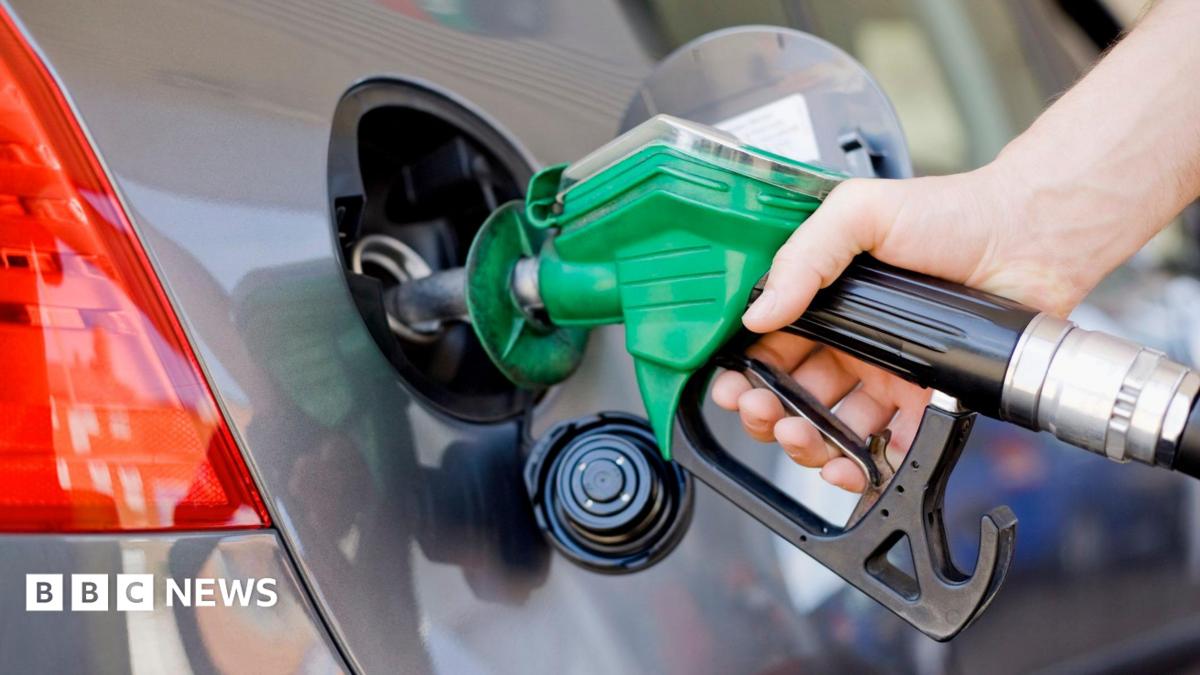
Susannah Streeter, chief investment strategist at Wealth Club, said markets were remaining “cautious given the twists and turns during this conflict”.
Despite the sharp fall in crude, “there is still significant uncertainty baked into these prices and a reticence about whether negotiations will lead to a lasting breakthrough,” she added.
The conflict between the US and Iran – and its impact on oil – has pushed up the cost of fuel such as petrol and diesel in many countries.
This often has knock-on effects on other prices, such as food, as businesses pass on the higher costs they are facing to customers, and this can push up the rate of inflation.
Higher inflation raises the possibility that central banks will increase interest rates in an attempt to keep price rises under control.
In June, the European Central Bank opted to lift its key interest rate for the eurozone for the first time in almost three years, noting that the conflict was “generating inflation pressures”.
Before the Iran war began, there had been expectations that the Bank of England would cut rates this year.
However, no cuts are now expected and financial markets are currently predicting a rate rise towards the end of the year.
The Bank of England holds its latest interest rate-setting meeting this week, when it is expected to keep its key rate unchanged at 3.75%.