dailynewsnblog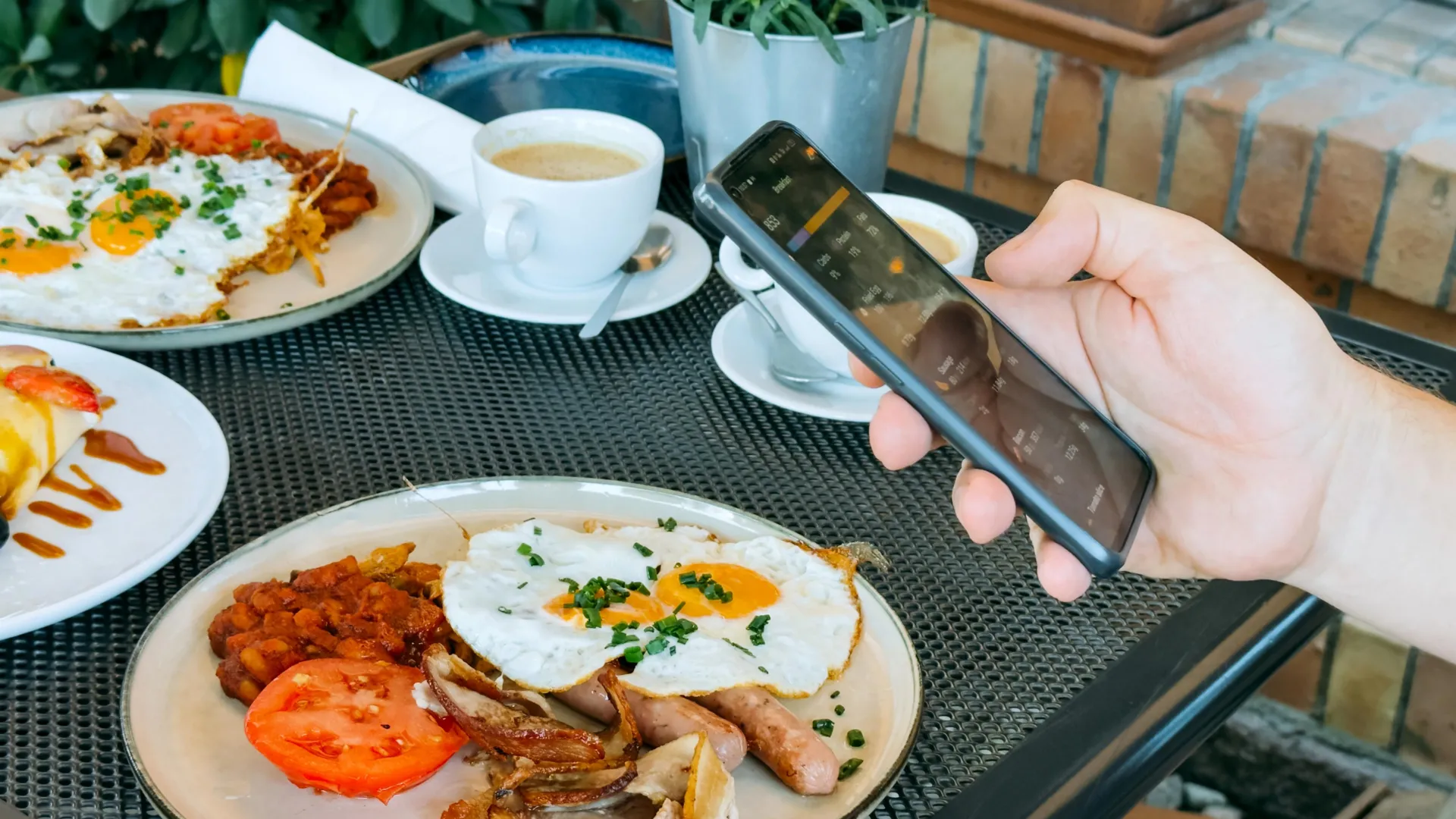
AI-powered calorie tracking apps can estimate a meal’s nutritional content from a single photograph. The technology offers a fast and convenient alternative to manually entering every food and portion, but new research suggests the results may be considerably lower than what is actually on the plate.
In a test of four photo-based apps, researchers found that calorie and fat estimates were about one-third too low on average.
How AI Estimates Calories From Food Photos
Photo-based calorie tracking relies on AI image recognition to identify the foods shown in a picture and estimate the size of each portion. The app then compares those estimates with nutrition databases to calculate calories and other nutrients.
“Photo-based calorie tracking apps are very popular, especially for people trying to manage their health or lose weight,” said Aaron Hengist, a postdoctoral visiting fellow with the Intramural Program of the National Institute of Diabetes and Digestive and Kidney Diseases (NIDDK), part of the National Institutes of Health. “However, the accuracy of many of these apps has not been thoroughly evaluated. Our study helps address this question by looking at whether these apps can reliably estimate calories.”
Olivia Charles, a postbaccalaureate intramural research training fellow at NIDDK, presented the findings at NUTRITION 2026, the flagship annual meeting of the American Society for Nutrition, held July 25-28 in National Harbor, Maryland, just outside Washington, D.C.
Testing Apps With Precisely Measured Meals
The project is part of a broader nutrition study at the NIH Clinical Center that is investigating how the body processes nutrients on either a low-carbohydrate (ketogenic) diet or a standard diet.
Meals used in the clinical trial are prepared in a controlled metabolic kitchen, where researchers measure ingredients to the nearest 0.1 gram. This gave the team a highly accurate reference for evaluating the apps.
Researchers collected standardized photographs of 102 meals prepared for the diet study. They then submitted the images to MyFitnessPal, LoseIt!, CalAI and Appediet to see how closely each app’s estimates matched the known nutritional content.
“By using meals prepared in a tightly controlled metabolic kitchen, we were able to compare the apps’ estimates against a precise reference,” said Hengist. “This kind of direct, high-quality comparison hasn’t been available before.”
Apps Missed Hundreds of Calories
Across all four apps, estimated calorie totals were about 250 to 345 calories too low per meal on average. The apps also underestimated fat by approximately 30 grams.
MyFitnessPal and LoseIt! were more accurate when analyzing higher-calorie meals than they were with lower-calorie meals. All four apps also produced more consistent estimates for carbohydrates than for other macronutrients.
“People using a photo-based tracking app without adjusting the portions or entering the amounts of food should take the results with a grain of salt,” said Hengist. “These apps tend to underestimate calories, especially from fats, so what they actually ate is likely higher than what the app shows.”
Keto Meals May Be Harder for AI to Measure
Following the first analysis, the researchers tested more than 200 additional meals to investigate which factors might influence app accuracy.
Preliminary findings indicate that the apps may have greater difficulty evaluating meals from a low-carb ketogenic diet. These meals often contain more fat, which the apps tended to underestimate consistently.
The researchers suggest that combining photo-based tools with traditional methods of evaluating food intake and diet quality could make calorie tracking more accurate in everyday use.
Charles presented this research on Saturday, July 25, during the President’s Oral Session in the Gaylord National Resort & Convention Center (abstract).
Abstracts presented at NUTRITION 2026 were reviewed and selected by a committee of experts. However, they have generally not completed the full peer review process required for publication in a scientific journal. The results should therefore be considered preliminary until they appear in a peer-reviewed publication.