dailynewsnblog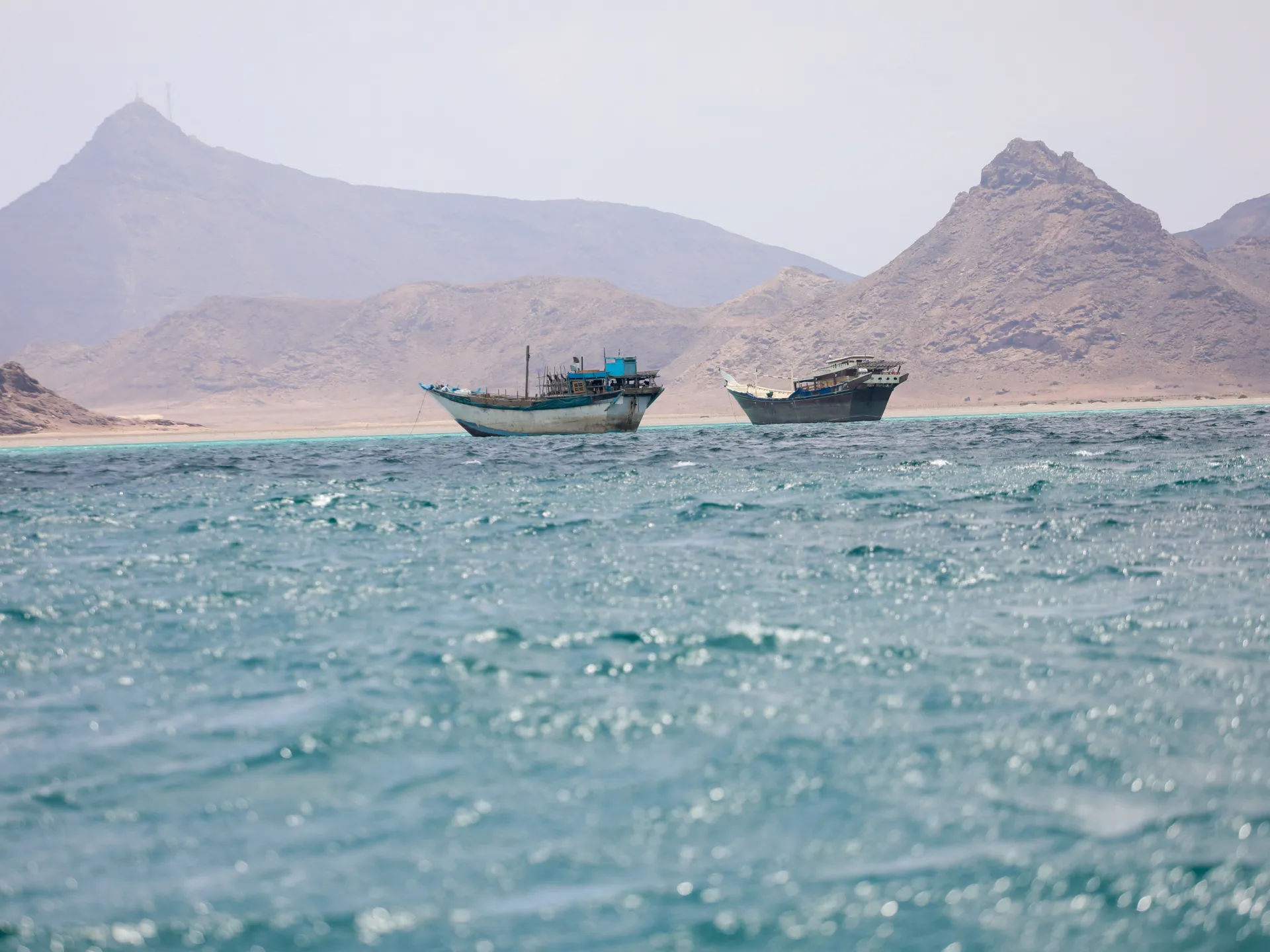
EDITOR’S ANALYSIS
Houthi blockade for now is shaping who moves Saudi crude, not whether it moves, analysts say, even as oil prices soar.
As oil prices hit $100 a barrel on Thursday, experts say they are watching to see which vessels Yemen’s Houthis allow to pass through in the Red Sea as that will indicate how the crude market trends.
Brent futures rose $6.58 or 6.96 percent, to $100.65 a barrel, exceeding $100 for the first time since late May.
Recommended Stories
list of 4 itemsend of list
That was on the back of the Iran-aligned Houthis saying they were cutting off the passage Riyadh had been using to ship parts of its crude oil once Iran closed the Strait of Hormuz to retaliate against United States and Israel attacks.
On Monday, the Yemeni group declared a naval blockade on shipments from Saudi Arabia and said they would target Saudi, Israeli, and United States-linked tankers in the Bab el-Mandeb, which links the Red sea to the Indian Ocean.
On Thursday, the Houthis attacked two Saudi Arabian oil tankers, the group said, with a Saudi news agency later confirming that one of the two vessels was set ablaze.
It is not clear if the second one was also hit, according to marine analysis firm, Windward.
“The Houthis are quite mercurial and there is no complete clarity on what the blockade means,” said Michelle Bockmann, a senior maritime intelligence analyst at Windward.
“We’re watching now the ability of Chinese-owned tankers at [Saudi port] Yanbu if they are allowed to go through Bab el-Mandeb. Two have gone through but those had been loaded before the blockade was announced.”
The Houthis have previously relied on China for help, including for drone components, and “the Chinese have previously had a free pass”, said Bockmann, including between 2023 and 2025 when the Houthis attacked cargo ships aligned with Israel and the US in the Red Sea in the wake of the war on Gaza.
Windward tracking shows the cargo that moved through the Bab el-Mandeb chokepoint on July 20 was Saudi in origin but Chinese in crew and destination, and it drew no interdiction. The two vessels passed through the same corridor that Western- and Saudi-linked operators were being warned to avoid.
The enforcement is calibrated to affiliation rather than cargo and the blockade is shaping who moves Saudi crude, not whether it moves, Windward said.
“No one has ever been able to predict their actions… but they know you don’t have to do a lot to get the oil markets to react,” said Bockmann referring to the rise in benchmark oil prices on Thursday.
Rachel Ziemba, adjunct senior fellow at the Center for a New American Security, underscored that the standoff in Bab el-Mandeb is happening while crude buffers have nor been replenished after the peak of the Hormuz crisis earlier this year.
“The multiple chokepoints are new and an example of littoral states looking to use their leverage,” Ziemba said.

Diesel also impacted
For now, both the Houthi threats and the continued closure of the Strait of Hormuz through which nearly one-fifth of the world’s oil transited before the US-Israel war on Iran, has sent prices soaring, including at the pump in the US reaching the national average of $4.09 per gallon (3.4 liter).
“Today’s rise in oil prices could cause $0.10 to $0.20 rise over the next week or two per gallon average price in US,” said Patrick De Haan, head of petroleum analysis at GasBuddy.
But De Haan is looking beyond the two straits and says he’s watching the availability of diesel as price per gallon averages $5.34.
“Diesel prices are being impacted more significantly,” he told Al Jazeera.
One reason behind that is that Ukrainian drone attacks have taken offline some of Russia’s oil refineries. The shortages are being felt domestically leading to Russia banning diesel exports, De Haan said.
“Oil exports are one story, but supplies of diesel gasoline, jet fuel is another story,” he said.
Another unknown in the mix is the role of China which, historically has been a major importer but slashed those imports in the past few months, helping stabilise global prices as some pressure on demand eased.
“It’s been one of the reasons that oil prices haven’t gone up dramatically – that china slashed its imports, and no one predicted that,” De Haan said. “For now, we don’t know if china is using its own strategic reserves or if it will start import again.”
Between those geopolitical plays and the upcoming hurricane season in the US, there is “another wildcard ahead for global refining capacity” and prices, De Haan said.