dailynewsnblog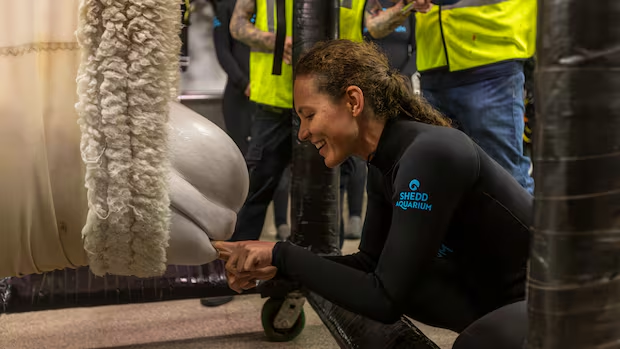
After an “unprecedented rescue” from Marineland in Niagara Falls, Ont., six beluga whales have been settling into their new homes in the U.S. — amid smiles and hugs from aquarium staff.
Marineland and a consortium of U.S. aquariums helped move the first batch of whales in a long, complex process that began Monday afternoon at the park, which has been closed to the public since 2024.
Andrew Burns, Marineland’s external legal counsel, said the move went better than expected — there were no major hiccups while lifting the whales out of their pools and placing them in tanks on transport trucks, and no issues during the two-hour convoy ride to Toronto’s Pearson International Airport.
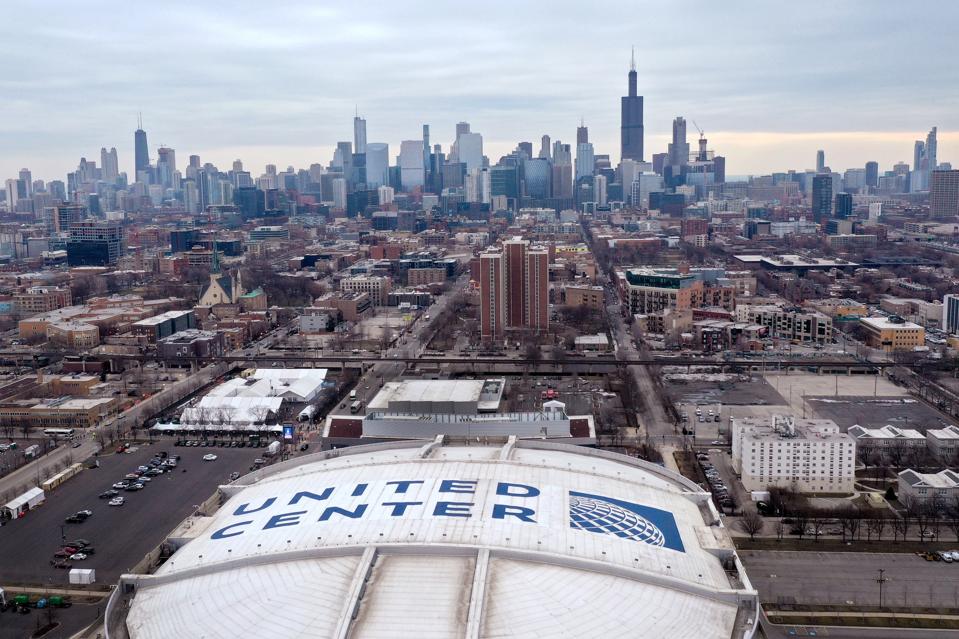
Johnny Ford, a spokesperson for the U.S. consortium who works at Shedd Aquarium, said four whales arrived early Tuesday morning at the Chicago facility and they’re doing well.
Ford said two other belugas went on to SeaWorld in San Antonio, Texas, and ended up in its pools later in the morning.
Twenty-four belugas remain at Marineland and will be relocated in the coming weeks to the U.S., with a couple destined for Spain after permits in that country are secured. Four dolphins are among animals that remain at the shuttered park.
Marineland had long said it was running out of money and could no longer care for the whales. Last fall, there were fears the mammals would be euthanized if a firm rescue plan wasn’t put in place soon.
Dozens of workers were at Marineland on Monday to assist in the complex process of using special hoists to lift up the whales, which can weigh as much as 1,900 kilograms each, and lower them into specialized cold-water containers. They were then loaded into Paddock Transport International trucks destined for the Toronto airport.
Whales’ health verified before transfer
A Tuesday news release from the consortium noted that several aquariums accredited by the Association of Zoos and Aquariums (AZA) were invited earlier this year to explore a solution to save the whales. Canadian veterinarians verified that the six whales were healthy enough to travel before the relocation operation began, said the consortium.
Chris Dold, chief zoological officer as SeaWorld in Texas, said the relocation work started with the needs of the whales, and “we will remain adaptive and responsive” to the whales’ needs. The release called it an “unprecedented rescue.”

An emergency rescue plan was endorsed earlier this year by the Department of Fisheries and Oceans Canada (DFO).
In its news release, the consortium said veterinarians specializing in marine mammal medicine and animal care specialists accompanied the whales on their trips Monday to look after them. It said the Chicago and San Antonio aquariums are also working round the clock to provide them with immediate care and get them used to their new homes.
“While the whales have arrived safely, transports of this magnitude are difficult, and experts are guarded but hopeful as observations continue,” it said.
“Now that they are here, the full attention of our care and veterinary teams is on getting to know these whales and providing whatever supplemental support, treatment and care we can to help them acclimate to their new home,” said Dr. Dr. Karisa Tang, lead veterinarian and vice-president of animal health at Shedd Aquarium.
Watching the whales’ progress
The first rescued belugas were chosen to move in subpods, formed around pre-existing relationships between the animals and allowing bonded belugas to make the move together, the consortium said.

Years after Marineland closed to the public, the aquarium has started the process of relocating some beluga whales to facilities in the U.S. and Spain.
“Seeing these first beluga whales arrive safely to their new homes is an important milestone, but it’s not the finish line,” said Steve Aibel, SeaWorld San Antonio’s vice-president of animals and conservation, who accompanied the whales on their journey.
“Our team is laser focused on supporting each whale through this transition with individualized care, patience and observation to ensure their welfare. We’re optimistic about what’s ahead.”
The consortium said experts will learn more about the whales’ condition in the coming days and weeks.
“We will be looking for behaviours like foraging, exploring, eating and socializing — all indicators that the rescued belugas are doing well,” said Tang. “Our teams will be standing by to jump in at a moment’s notice, should we believe any of the belugas need more urgent attention.”
Both U.S. aquariums are home to multigenerational pods of belugas, and the newly housed Marineland whales be slowly introduced to whales already at the facilities.
‘Best possible outcome’ for belugas, mayor says
Niagara Falls Mayor Jim Diodati said the city is relieved the transfer of the six whales was successful.
“We’ve been hoping and praying for a soft landing for the whales,” he told CBC News on Tuesday. “This is the best possible outcome, and it’s taken an awful long time. This is great for the whales’ future and also for Marineland’s future.”
But Diodati cautioned there’s more work to do.

“We still have to repeat this several times. It’s not without risk.
“We’re grateful that it’s going in the right direction. We’ll have a sigh of relief once all the whales are safely relocated.”
Naomi Rose, a senior scientist for marine mammal biology at the Animal Welfare Institute in Washington, D.C., cautioned it’s likely wishful thinking to believe all 30 belugas will survive the incredible stress of the transfers.
“These are large marine mammals,” she said. “They don’t fly through the air. It is an extremely stressful experience for them.
“Some of these animals could either become extremely ill … or die.”
In an interview with CBC News, Ford, of Shedd Aquarium, couldn’t say if the Marineland whales may be bred, adding: “Shedd has a history of success in breeding belugas.”
He also said the U.S. aquariums put up a “substantial” amount of money to move the whales.
“It is not cheap to move a beluga whale,” he said, adding he didn’t know if Marineland is contributing to the cost of the transfers.
The future of Marineland
Diodati said relocating all the Marineland animals could be a financial boon for Niagara Falls. He said their fate was standing in the way of investors coming forward.
“[This] opens up the potential for development of Marineland into a major family destination and [creating] thousands of jobs,” he said. “There’s a lot of global interest. We have met with several potential investors, but none of them wanted to take on the liability of caring for the marine mammals.”
Diodati made it clear that any development of the property would have to involve commercial tourism and not housing.
“They’re not making any more prime tourism property. It’s a finite thing and we need to preserve it and protect it.”
Kristy Burgess, a trainer at Marineland from 2022 to 2025, said it’s sad to see animal mothers, calves and siblings from Marineland split up.
“But it’s better than staying at a decaying park,” she said. “They’re going to great facilities. This is the best outcome.”
The consortium said work is ongoing to plan for the transfer of the remaining Marineland belugas.
“As with the first rescue, details and timelines for additional rescues are expected to shift based on the needs of the animals, and will not be shared in advance with the public for the safety and security of all involved,” the news release said.