dailynewsnblog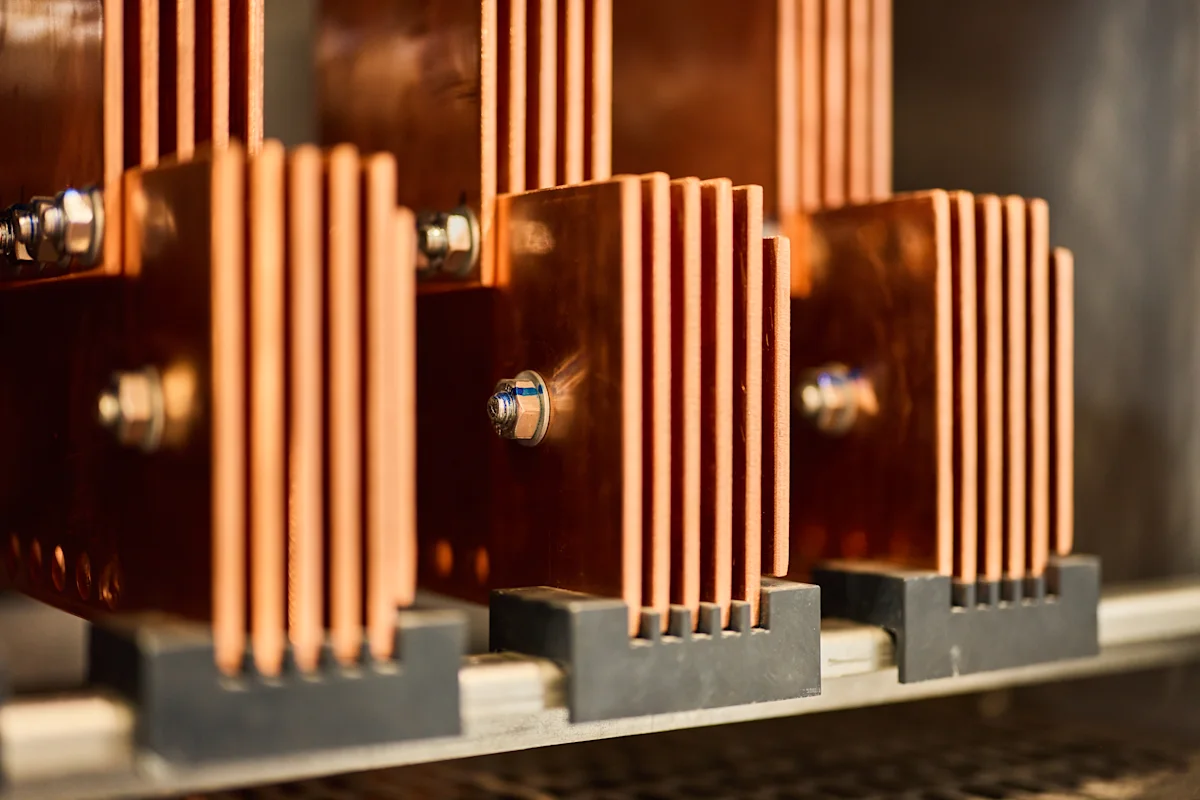
Once viewed primarily as a barometer of global manufacturing, copper prices are increasingly moving on expectations that the AI boom will fuel years of investment in data centers, electric grids, and power infrastructure.
While data centers account for only 1% of global copper demand today, Goldman argues investors are increasingly pricing the metal based on expectations for the AI boom — including years of expected spending on data centers, power grids, transformers and transmission infrastructure rather than current consumption alone.
“AI has become a key narrative shaping expectations for future power, grid and copper demand,” Goldman Sachs commodities strategists led by Lavinia Forcellese wrote on Monday.

Copper is used throughout the AI ecosystem, from the miles of electrical wiring inside data centers to the transformers, switchgear, and high-voltage transmission lines needed to deliver power to the infrastructure underpinning the AI build-out.
Goldman argues those future infrastructure needs — not today’s physical demand — are becoming an increasingly important force in copper markets.
In the bank’s model, AI-related expectations have overtaken more traditional drivers such as China’s growth outlook, moves in the US dollar, and physical market tightness as the largest contributor to copper’s cumulative price gains since early 2025.
That said, those traditional demand drivers haven’t disappeared. China remains the world’s largest consumer of the metal, accounting for roughly half of global demand, and the nation’s construction and manufacturing sectors play an outsized role in determining prices.
But investors are increasingly looking toward the enormous amount of electrical infrastructure expected to be built over the coming decade. Big Tech giants — particularly the hyperscalers Microsoft (MSFT), Meta (META), Amazon (AMZN), and Alphabet (GOOG) — have pledged hundreds of billions of dollars toward AI infrastructure, while utilities around the world race to expand generation and transmission networks to meet the surge in electricity demand.
The US could face an electricity generation shortfall of 100 gigawatts between 2026 and 2030, according to Bank of America, driven in part by booming chip production and demand as well as US utilities’ inability to meet the moment. Between 2026 and 2030, electrical capacity demand is expected to reach 230 gigawatts or more.
At the same time, the physical copper market has continued to tighten. Visible Chinese copper inventories have fallen toward the bottom of their seasonal range, while tighter enforcement of scrap regulations has pushed manufacturers toward refined copper. Smelter maintenance has also constrained cathode output, leaving the market with relatively little inventory cushion.