dailynewsnblog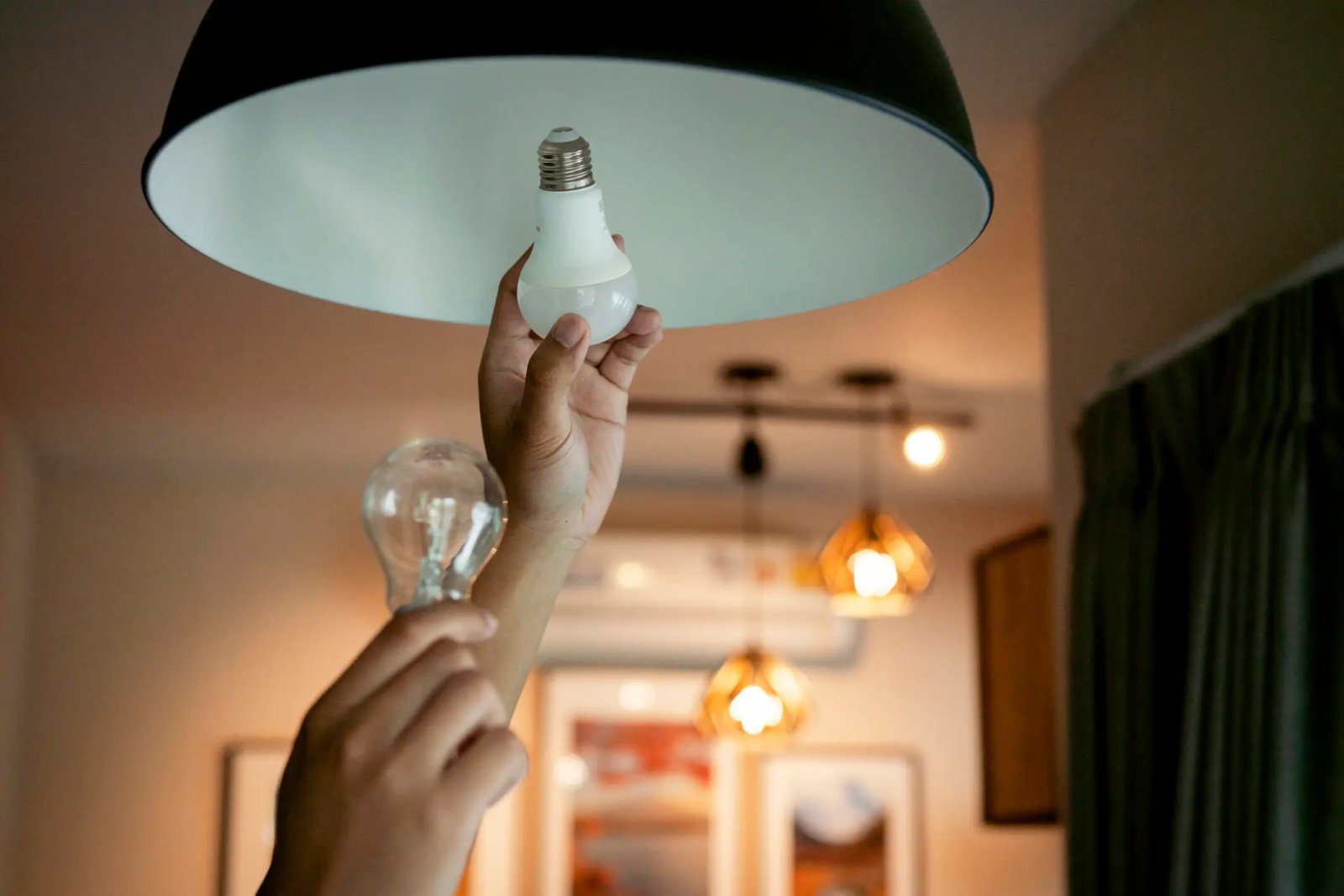

LED bulbs really are good for your wallet. Here’s how good.
Thana Prasongsin/Getty

You can find LED light bulbs everywhere now, and they’ve largely solved old problems like glaring white colors and compatibility issues. But the benefits remain, including using a fraction of the wattage of alternative lights and performance that lasts for years. You can even add smart features like controlling lights and brightness with an app on your phone.
But how much could switching to these lights save you, and when could they pay for themselves in your home? During our tests, we looked at the numbers to figure out exactly what you can expect — and it may be more than you think.
Here’s how much LEDs save over incandescent lights

LEDs can help you save hundreds of dollars per year.
jittawit.21/Getty Images
The US Department of Energy says that lighting counts for around 15% of the average home’s electrical use. That’s not as much as energy-hungry heating and cooling appliances, but it is an appreciable amount that we have a lot of control over, making it lighting ripe for cutting bills.
Energy Star studies show that standard incandescent bulbs cost around $7.23 per year to use, while LEDs cost around $1.08. That’s savings of roughly $6 per bulb, per year.
The research also showed the average American home has around 50 light bulb sockets. That seemed high to me, so I counted. Even in my modestly sized townhouse, I have around 65 sockets, so you may have more than you think, too. That’s why the Department of Energy estimates that the average household saves about $225 a year by making the switch to LEDs where feasible.
How are these cost savings possible? Since LED lights use reactive diodes that respond to electrical current by glowing, they don’t produce nearly as much heat as other bulb options, which explains their significant energy reduction.
Finally, while LED lights do cost more (although they’re more affordable than ever now at around $2 for a basic bulb), when used correctly, they can last around 15 to 25 times longer than incandescents, so you end up saving more on replacement costs despite the initial price.
What about switching from fluorescent lights to LEDs?

LEDs are significantly more efficient than fluorescent lights.
NorGal/Getty Images
For a time, energy savers touted fluorescent lights as the way to save money on electricity. They have since been outclassed by LEDs in almost every way, including energy costs. If you have fluorescent lights, whether the long tubes or the compact versions that fit into sockets, you may still be able to save money by moving to LEDs.
The University of Michigan did a study on the fluorescent-to-LED switch, and found that LEDs are up to 44% more efficient. And while fluorescent bulbs can last a long time, LEDs last even longer. Plus, they don’t have the flickering or humming issues, and many of them offer warmer colors than fluorescents.
Can smart lighting help save more?

Smart bulbs are cheap, support multiple voice assistants and have lots of fun tricks.
Tyler Lacoma/CNET
Smart LED lights cost even more, but they also give you more tools to save. If you don’t mind adding an app to your phone, you can set lighting schedules so they always turn off at a certain time or control your lights from a distance if they were left on.
I use smart lights in many parts of my home, and it’s helpful to be able to set schedules for lights that get forgotten sometimes — especially porch and driveway lights, in my case. Outdoor lights are a particularly good option to switch to LEDs, since estimates show only around 5% of outdoor fixtures currently use LEDs.
I also really like the ability to change the color of lights whenever I want to and connect them to certain routines. It’s not necessary to save money, but smart lighting does expand your options. The cheapest smart bulbs are only around $10, so it’s not a huge investment to add these features.
For more info, take a look at how the right home security devices can also save you money every month.

See full bio