dailynewsnblog
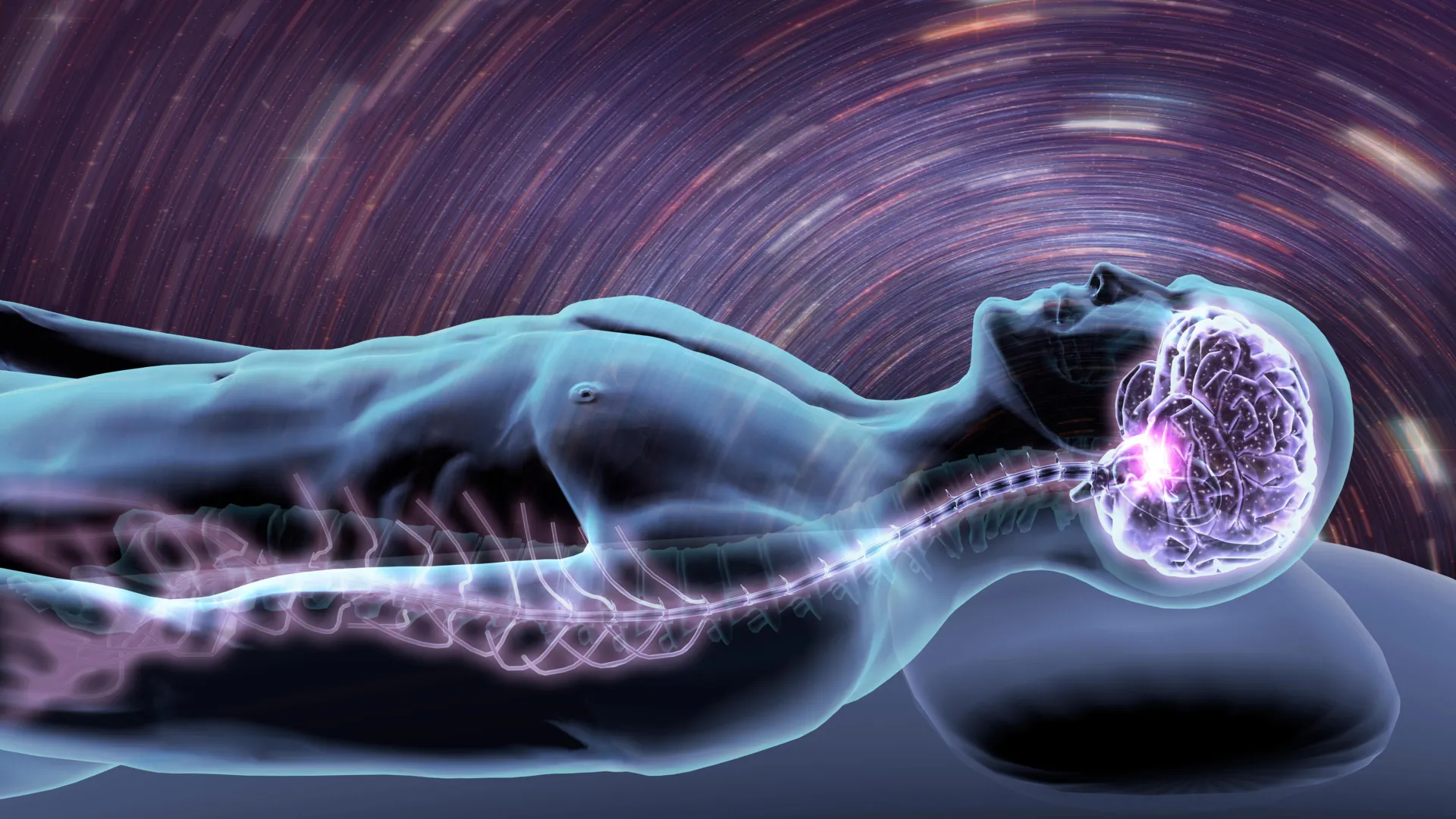
Among the waste products the system clears are proteins called amyloid and tau, the deposits that accumulate in the brains of people with Alzheimer’s disease. A single sleepless night measurably raises amyloid levels in the fluid surrounding the brain. Do that repeatedly, year after year, and the implications are troubling.
A Swedish study by researchers at the Karolinska Institute, tracking more than 13,000 shift workers, including night shift workers, for up to 41 years, found that shift work in mid-life was associated with a 36% higher risk of dementia – with the risk rising the longer someone had worked shifts.
Foster is careful not to overstate the link. “You wouldn’t say poor sleep causes dementia,” he says, “but if you’re vulnerable, it’s a potential risk factor.”
Markus’s data shows a possible link, but he cautions that it is a hypothesis at this stage and there are likely to be many other factors at play.
“Sleep matters,” he says, “but so do the big vascular things – blood pressure, smoking, diabetes. What’s never mentioned is how much of the risk of Alzheimer’s comes from those – things we could actually do something about.”
There are also tentative but growing indications of how sleep disturbance might increase the risk of heart disease. An analysis of 35 studies published last year found that sleep reduced to around 4.5 hours for three or more nights significantly raised the activity of the body’s immune system. This is normally a good thing when it is roused to fight infection but also causes inflammation in the body which if persistent is associated with heart disease.
Disrupted sleep raises the stress hormone, cortisol, which in turn promotes insulin resistance and pushes the body toward a diabetic state. Higher levels of cortisol also worsens sleep further, locking workers into a self-reinforcing cycle. Add to this the sugar-hit snacking that keeps some shift workers going overnight and it makes for an extremely unhealthy cocktail.
As if that were not enough, the World Health Organization’s International Agency for Research on Cancer (IARC), has classified night shift work as “probably carcinogenic to humans” and put it in the same risk group as red meat, citing evidence for links to breast, prostate, colon and colorectal cancers.
This may be because disruption to the body’s circadian system alters timing of the production of melatonin, a hormone thought to have tumour-suppressing properties, as well as reduced vitamin D from lack of daylight, and the chronic low-level inflammation that broken sleep promotes.