dailynewsnblog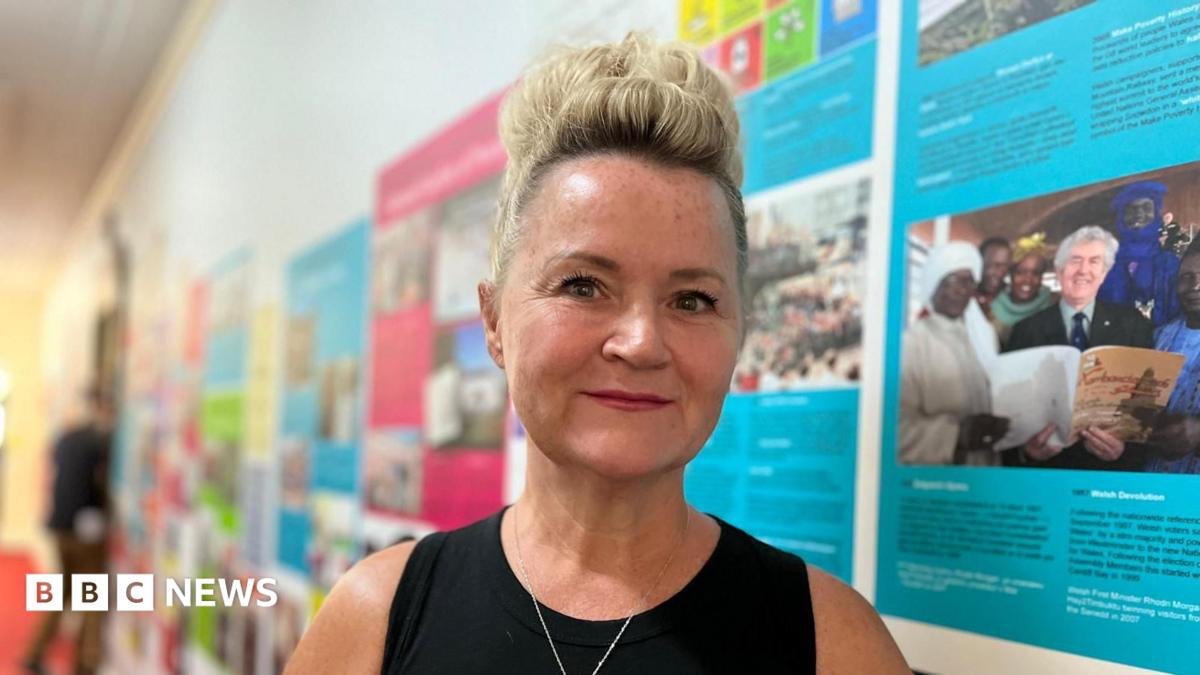
An operation nearly 20 years ago left Donna Davies in constant pain but she only felt believed by medics after her husband spoke up.
Donna, 56, now requires her large bowel to be removed because of her vaginal mesh medical device, which was removed after she felt it cutting into her.
It was fitted after Donna, from Swansea, developed stress urinary incontinence in her 30s, and the procedure has since been paused by the NHS.
She was invited to attend a women’s health summit in Wales this week, which looked at how women’s pain is too often dismissed as “normal” within healthcare.
Donna is one of an estimated 100,000 women in the UK who had the procedure to treat incontinence or prolapse.
She said: “The mesh was leaving me in daily pain – the only way I can explain it was that I was being cut by glass every time I moved.
“I didn’t feel as if I was believed and I didn’t feel my pain was acknowledged until my husband spoke up about an incident we had and then I felt that the surgeon believed my husband.”
The device was eventually removed and a “sling” made from her own muscles was created at the same time as a total hysterectomy.
“I’ve never recovered from this operation – I’m still in constant pain, neuropathic pain as well and sadly I’m about to lose my large bowel and have a permanent stoma.
“I feel that women in Wales are being forgotten. There are no specialist services in Wales for women like myself, yet nine specialist centres in England – we do feel forgotten.”
Delyth Jewell, the women’s health minister in the Senedd, said she wanted rules to be strengthened so that health boards are required to include women in the design of services for them.
“I am determined to strengthen women’s voices so that women will be believed about their bodies,” the minister said at the women’s health summit.
“I wonder how many women will have heard the words ‘this might hurt’ when they go to the doctor?
“That shouldn’t be normal. Too often women’s health services are considered a ‘should’ not a ‘must’.
“We need to make sure that in theatre space they are prioritised more, we need to be making sure that training is improved.”