dailynewsnblog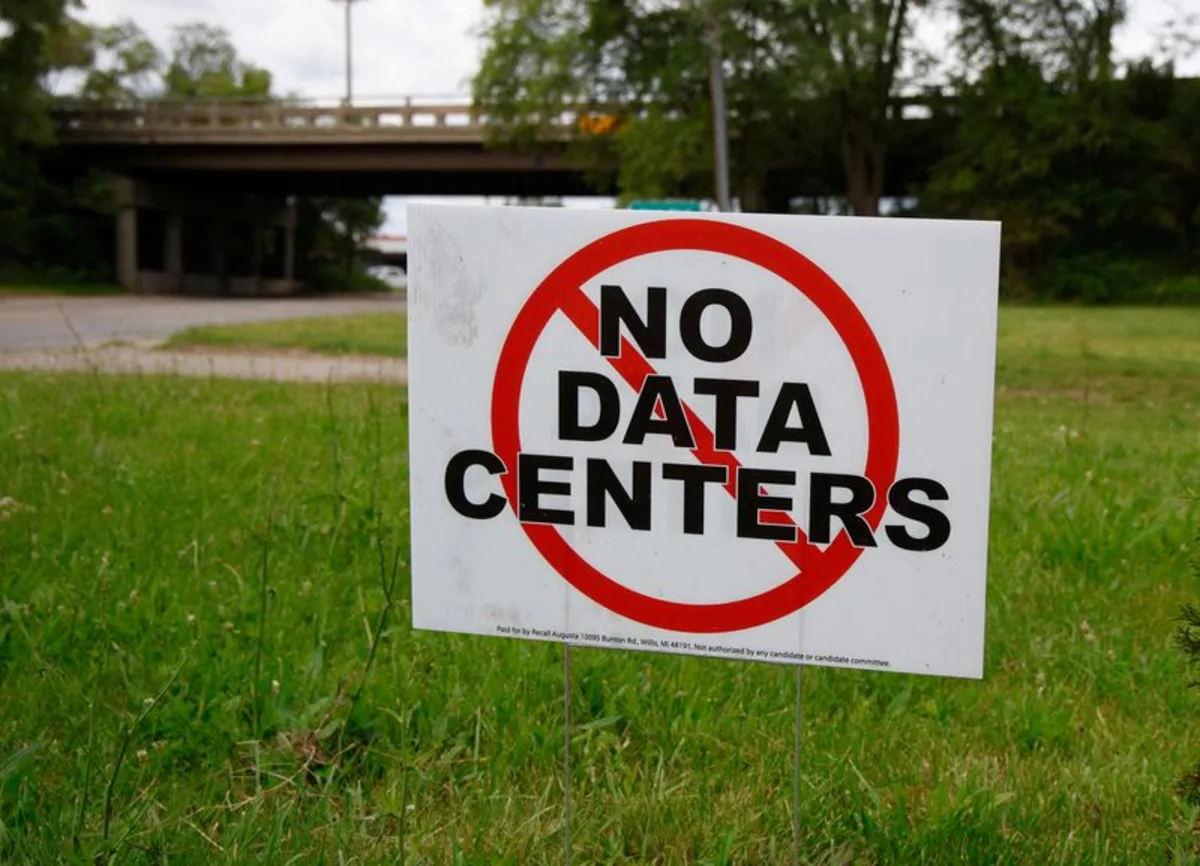
By Valerie Volcovici and Lisa Baertlein
July 18 (Reuters) – Opponents of the rapid buildout of data centers plan to hold protests on Saturday in at least 125 locations across the United States, the first coordinated national effort to channel anger at the AI infrastructure expansion that has ramped up over the past year and roiled local politics.
The protests are coordinated by a grassroots group called HumansFirst, co-founded by a former leader of the modern-day Tea Party who has compared growing opposition to data centers to the right-wing populist movement that emerged in 2009 to protest what it saw as excessive taxation and government overreach.
Protesters will rally against what HumansFirst calls the “unaccountable” buildout of data centers and “unacceptable infringement on our liberty.”
Towns and counties have been at the forefront of opposition to data center projects that in some cases have been greenlit with local officials signing non-disclosure agreements with developers despite resident pushback or a lack of regulatory scrutiny. Now politicians at the state and national level are scrambling to keep pace with rising voter anger over the threat of higher power bills, the diversion of precious water resources and pollution.
Data center opposition is among the few issues uniting Americans across ideological lines, with just a third of Americans approving of the pace of data-center construction in the U.S., according to a June Reuters/Ipsos poll. Only 14% of respondents would support a data center being built in their community to support artificial intelligence projects for technology firms such as Meta, Alphabet, Amazon, Microsoft and Elon Musk’s xAI.
The Data Center Coalition, the industry’s association and lobbying group, did not immediately comment on the protests. It previously told Reuters data centers are committed to being responsible neighbors in the communities where they operate.
RED AND BLUE STATES REPRESENT
Although HumansFirst co-founder Amy Kremer compared it to the conservative Tea Party movement’s early days in 2009, she said the anger against data centers is nonpartisan.
“They just woke up one day and found out they’re going to have this monstrosity in their community, and they don’t want it,” said Kremer, who predicted data centers will be a defining issue in November’s midterm elections and the 2028 presidential race.
Kremer has criticized Republicans for giving Big Tech a “free pass,” but she and some organizers also said they do not support policies like moratoriums on data center approvals adopted by the Democratic state of New York. Among other things, organizers said they want the development process to be transparent, resources and environmental health protected, community benefits such as the creation of well-paid union jobs and a way to hold developers accountable if they do not follow through on promises.