dailynewsnblog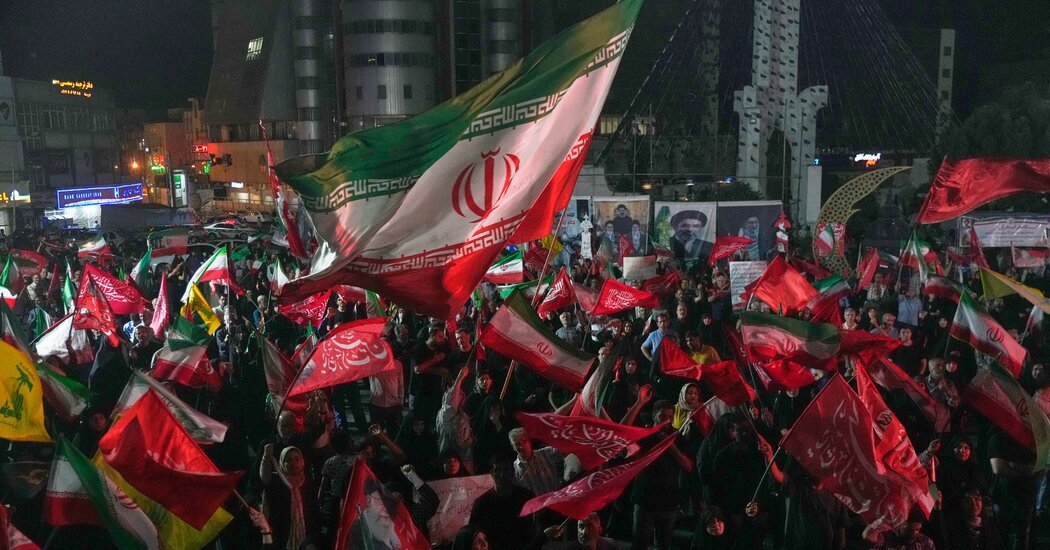


More than a week after President Trump said the short-lived cease-fire with Iran was “over,” U.S. attacks ramped up in scope and intensity early Saturday, while Iran responded by bombarding neighboring Arab states that host American forces with rockets and drones
Iranian state media reported on Saturday that the U.S. bombardment overnight had damaged bridges and hit a desalination plant in the southern province of Jask, leaving about 10,000 people without water. The reports cited Abdolhamid Hamzepour, the head of the local water utility company. The U.S. military did not immediately respond to a request for comment.
Also on Saturday, the Kuwaiti government said that a power and water desalination plant there had been struck during an Iranian barrage, causing a fire to break out. Kuwait’s army also said several personnel had been wounded by Iranian drone strikes on military facilities.
Air-raid sirens continued to ring out in Bahrain on Saturday morning, warning of new Iranian attacks. And the Jordanian government said it had intercepted 10 Iranian ballistic missiles overnight, without reports of major damage.
The war has dragged on far longer than Mr. Trump said it would, and in recent days he has repeatedly threatened a broader assault on Iran’s civilian infrastructure, including power plants, in an attempt to force Iran’s leaders to accept his terms.
Bombing critical infrastructure could further disrupt daily life for many civilians caught up in the conflict. Legal experts have warned that, depending on the circumstances and intent, such attacks are potentially war crimes under international law.
The U.S. attacks have failed to force Iran to end its grip over the Strait of Hormuz, a vital waterway for oil and gas shipping that it blockaded after the United States and Israel attacked in late February. That has throttled the global economy and sent energy prices soaring worldwide.
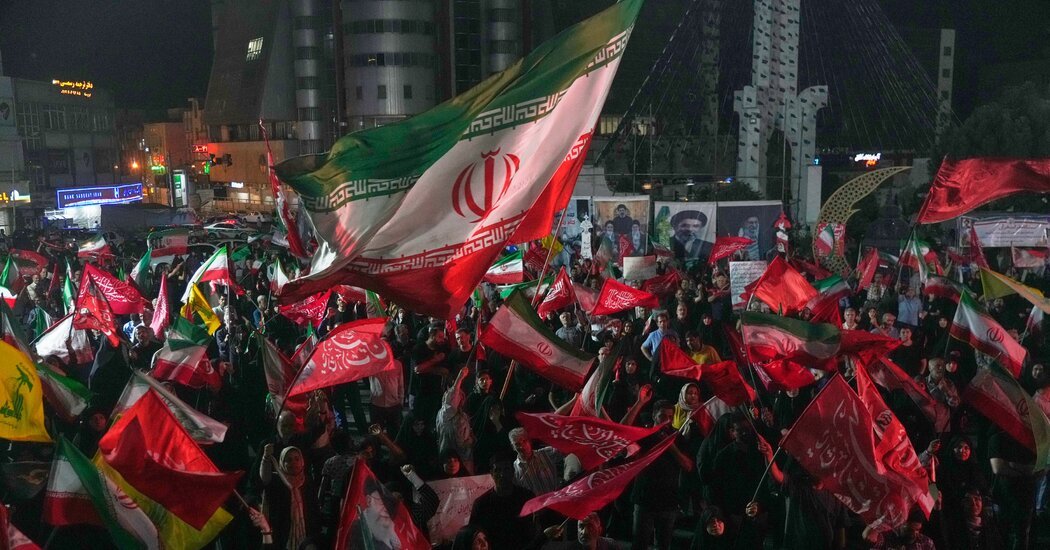
U.S. and Israeli officials had hoped the war would lead to the downfall of the Islamic republic after more than four decades of enmity. Instead, Iran’s leadership has emerged from the conflict battered but intact, and has appeared emboldened by its ability to close the strait at a moment’s notice by firing on passing commercial vessels.
Last month, the two countries reached a cease-fire that ended the war in exchange for reopening the strait. But Iran, citing ambiguous language in the agreement, has continued to attack ships traveling through parts of the waterway outside its territory.
Now, Mr. Trump faces a raft of unpalatable and risky choices. He could further escalate U.S. bombing, but analysts say there is little guarantee it would force Iran to change course. Accepting even a measure of Iranian control of the strait would fly in the face of Mr. Trump’s pledges for the waterway to be fully reopened to marine traffic, as it was before the war.
Hopes of reaching a broader deal on Iran’s nuclear program, which the June cease-fire agreement stipulated would be negotiated within 60 days, have largely evaporated.
Here’s what we’re watching today:
Lessons from past wars: Mr. Trump has struggled to convert American military might into a strategy which can bring victory in the war he began in late February alongside Israel. It’s a challenge the United States has faced again and again, including in Iraq and Afghanistan. Read more ›
Rising oil prices: Oil prices jumped to their highest level in a month on Friday as the fighting in the Strait of Hormuz brought shipping there to a halt. Read more ›
Ismaeel Naar contributed reporting.