dailynewsnblog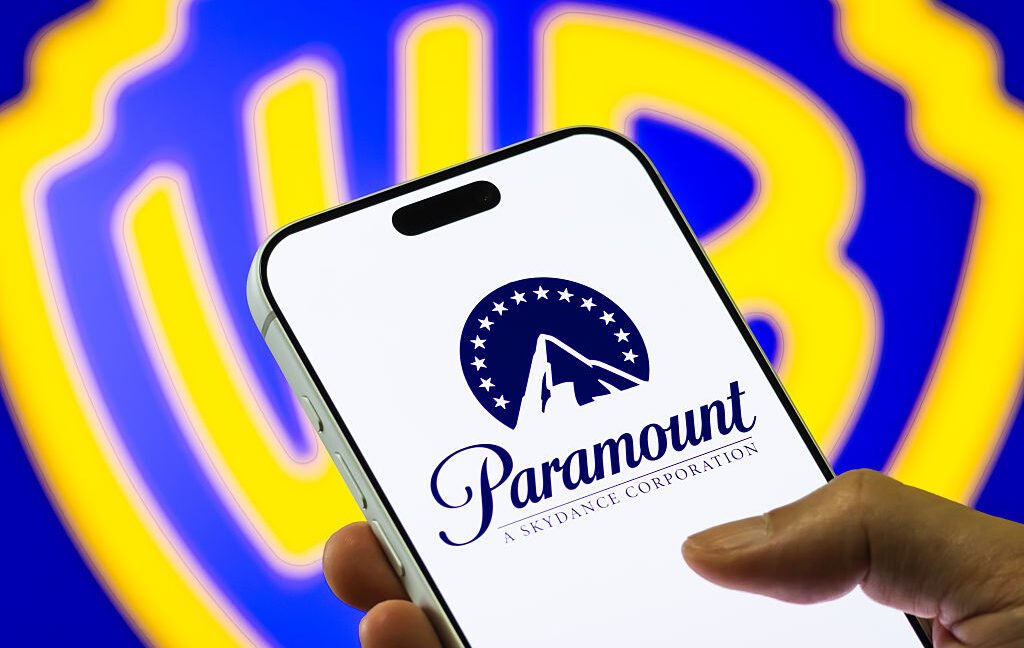

With the Paramount-Skydance merger greenlit by the FCC, Ellison, the new company’s CEO, then set his sights on acquiring Warner Bros. Discovery.
Warner at first rebuffed Paramount’s overtures and on Dec. 5—two days before the Kennedy Center gala—accepted a bid from Netflix to buy its studio and streaming assets. Ellison responded by making numerous calls to administration officials and had a long talk with Trump, according to The Wall Street Journal.
On the night of the gala, Trump told reporters the Netflix deal “could be a problem” and that he planned to get directly involved with the regulatory approval. Inside the Kennedy Center, Carr and his wife sat with Ellison in an exclusive skybox, Bloomberg reported. (Gomez said in her statement to ProPublica that she declined Paramount’s “invitation because of serious concerns about press independence connected to conditions Paramount agreed to as part of its merger transaction before the FCC.”)
Hours after the gala ended, Paramount announced it was launching its hostile takeover bid of Warner Bros. Discovery.
About three months later, Carr publicly endorsed Paramount over Netflix on CNBC, promising swift approval.
If one or more commissioners choose to abstain from a merger vote because of ethical concerns, what would happen next is unclear. Under federal conflict of interest rules, an agency designee could theoretically permit commissioners to vote after considering several factors, including “the difficulty of reassigning the matter,” the nature of the relationship between the commissioners and Paramount, and the “effect that resolution of the matter would have upon the financial interests” of the firm.
Carr could bypass a full commission vote entirely, as he did with the recent acquisition of Tegna by Nexstar Media Group. In that case, Carr delegated authority to FCC staff to approve the takeover.
But any decision on the Paramount deal—whether by the full commission or by staff at the direction of the chair—is likely to be challenged.
Richard Painter, a former White House ethics attorney in the administration of George W. Bush, said while courts often defer to the government’s judgment, they also can become skeptical if a regulatory agency is shown to have violated ethics rules.
“A judge may very well say that the merger decision of the FCC isn’t worth jack because the process was corrupted,” he said.
This story was originally published by ProPublica.