dailynewsnblog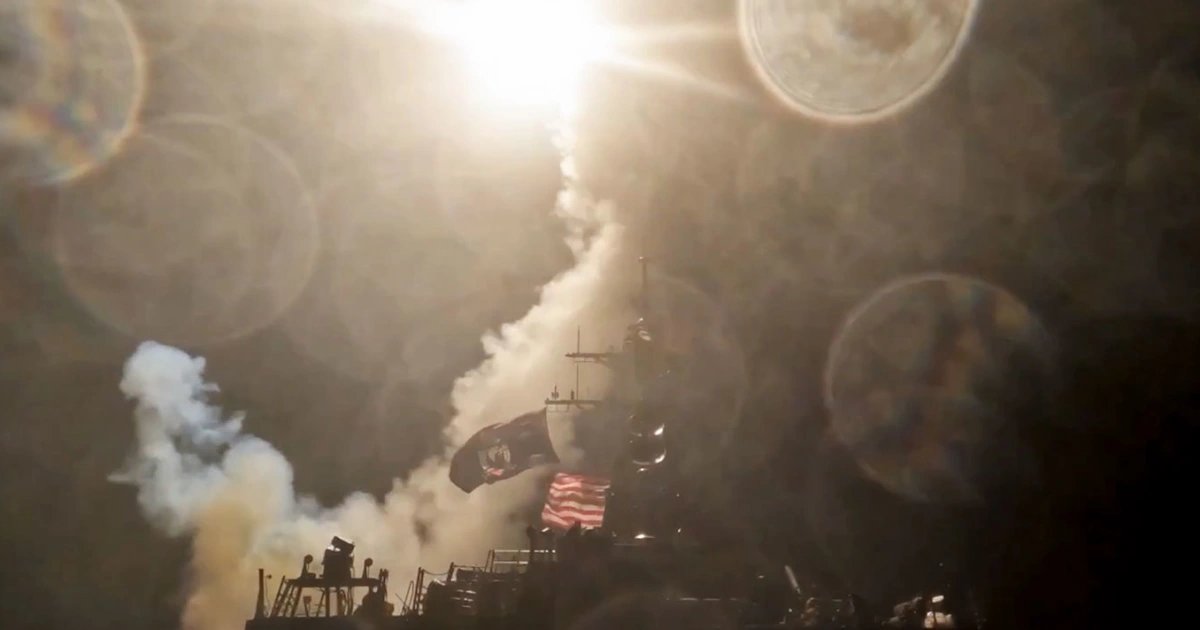
At least 8 people were killed and 20 others were injured in the strikes, Iranian state news agency IRNA reported. It said early Friday that at least six bridges were hit, including one that was still under construction.
A railway junction station just west of Bandar Abbas was also hit, the state-owned IRIB news agency said.
The highway and railway bridge strikes appeared aimed at cutting off Bandar Abbas, Iran’s main port, from roads leading toward Tehran, the capital.
While other routes still are open, the U.S. strikes could expand further, potentially disrupting both the movement of military materiel and goods needed for Iran’s 90 million people.
Iran also acknowledged “attacks on power infrastructure” during the U.S. airstrike campaign for the first time Friday, with the energy ministry asking people in southern provinces to use less electricity, according to the state news agency ISNA.
The latest wave of U.S. strikes also damaged a maritime control tower in Chabahar on the Gulf of Oman, which lies outside the Strait of Hormuz yet is nonetheless a major port operated jointly with India.
Defense Secretary Pete Hegseth posted a picture on X late Thursday showing the tower collapsing as plumes of smoke rose around it.
Attacks on the tower — the third time in recent days — could impact port operations, Mehr news agency said.
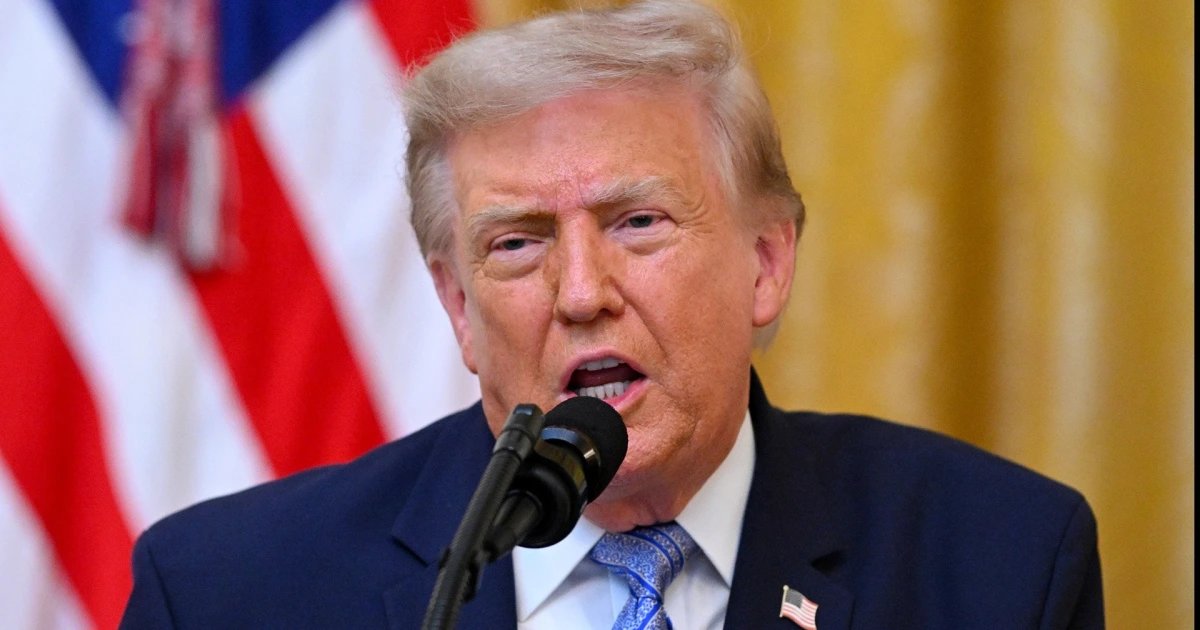
Trump had threatened to target Iranian infrastructure as tensions over the Strait of Hormuz erupted in the past week into the daily exchange of strikes and the reimposition of the U.S. naval blockade.