dailynewsnblog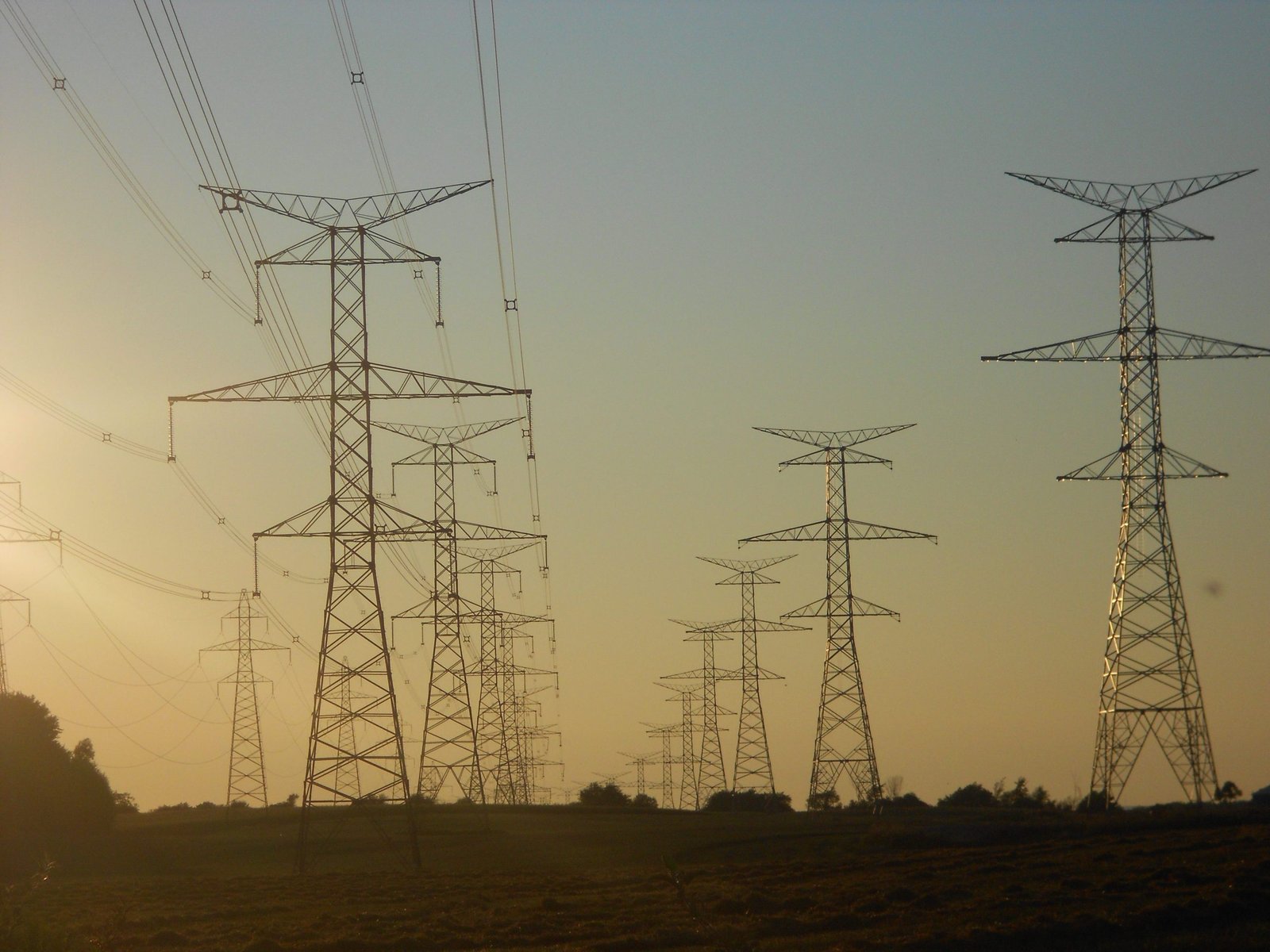
Ontario will need a mix of technologies to meet rapidly growing electricity demand. But every credible pathway to a reliable, affordable and low-carbon grid includes a significant role for nuclear power.
The latest analysis criticizing Ontario’s nuclear expansion may generate headlines, but it fails to answer the most important question: What kind of energy system are we building for future generations?
Nuclear power is not a 20- or 30-year investment, but rather one that serves generations of Ontarians — potentially four generations or more. The reactors being contemplated today will provide reliable, emissions-free electricity well into the next century, creating economic value, energy security and environmental benefits long after many competing technologies have reached the end of their useful lives and require replacement.
Any comparison that focuses on up-front capital costs while ignoring longevity, reliability and system-wide costs presents an incomplete and ultimately misleading picture.
The debate should also not be framed as nuclear versus renewables. Ontario will need a mix of technologies to meet rapidly growing electricity demand. But every credible pathway to a reliable, affordable and low-carbon grid includes a significant role for nuclear power.
Jurisdictions around the world are increasingly recognizing that intermittent sources such as wind and solar, while important contributors to a diversified electricity system, cannot by themselves provide the reliable, around-the-clock power required by modern economies. And where governments have pursued renewables without sufficient firm generation, many saw rising emissions, increased dependence on natural gas, and concerns about affordability and reliability.
The challenge is simple: when the wind is not blowing and the sun is not shining, another source of electricity must be available. That means building and maintaining additional generation capacity alongside renewables — effectively paying for two systems instead of one. Ignoring those realities results in cost comparisons that are disconnected from how electricity systems actually operate.
Ontario has already demonstrated what pragmatic energy planning looks like. The refurbishment of the Bruce and Darlington nuclear stations is delivering low-carbon electricity for decades to come while supporting thousands of jobs and billions in economic activity. These projects have shown that Ontario can execute large-scale nuclear investments successfully on time and on budget and provide a model for other jurisdictions seeking to balance affordability, reliability and climate goals.
The choice facing Ontario is not whether to invest in nuclear. The choice is whether to build on an asset that has anchored our economy and electricity system for decades, or pursue approaches that risk reducing reliability, increasing costs and making us more dependent on imported energy and technology.
The world is increasingly recognizing the value of nuclear power, and for good reason. Ontario should continue leading the way with a pragmatic, balanced approach that keeps nuclear as the cornerstone of a reliable, affordable and clean electricity system.
Pat Dalzell is Vice-President, Corporate Affairs and Market Development at Bruce Power.
The views, opinions and positions expressed by all iPolitics columnists and contributors are the author’s alone. They do not inherently or expressly reflect the views, opinions and/or positions of iPolitics.