

 dailynewsnblog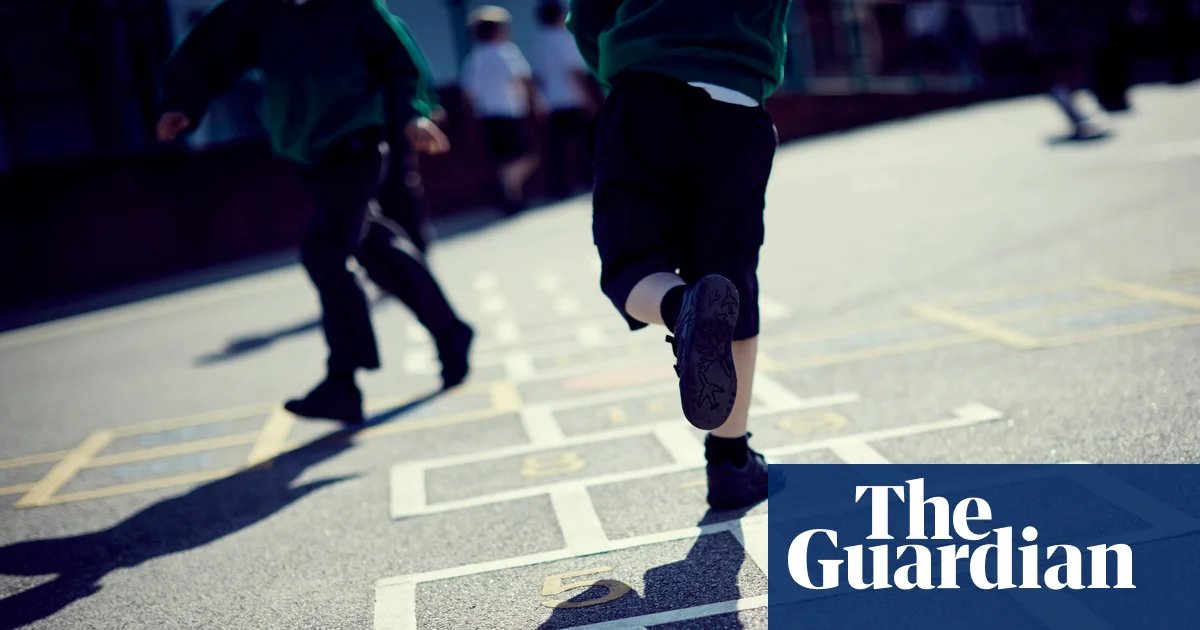
Private school grounds in England offer 41% more tree cover than state schools for cooling and shade in extreme temperatures, research has found.
As teachers and students prepare to take their summer holidays after weeks of high temperatures where some classrooms reached highs of 40C, an analysis of tree cover in schools in England reveals a stark socioeconomic divide.
The research mapped all primary and secondary schools across England and cross-referenced it with government datasets of mapped woodland and the trees outside woodland datasets to determine total tree cover in a 100-metre radius of school locations. Analysis of local authority areas was also carried out.
Private schools have the greatest level of tree cover. Among state mainstream schools, those with the highest levels of free school meal eligibility – an indicator of socioeconomic deprivation – have 29% less tree cover than schools with the lowest free school meal levels. The median tree cover in schools with the highest rates of free school meals is 11.7% compared with 16.3% for schools in more affluent areas.
A Guardian investigation previously revealed that students at England’s top private schools have 10 times more access to green space than those at state schools.
In extreme temperatures, trees reduce latent heat by providing shade and through transpiration, and can bring surface temperatures down by up to 12C to 18C, compared to unshaded asphalt or concrete.
Lewis Winks, the environmental social scientist who led the research, said: “Trees in and around school grounds offer vital shade during heatwaves like the one we’ve just experienced, while also benefiting wellbeing, improving air quality, enhancing biodiversity and enriching outdoor learning opportunities.
“It is unacceptable that these benefits are so unevenly distributed, with the most advantaged children more likely to attend schools with greener, better-shaded surroundings.”
The Guardian has revealed how school teachers have struggled to keep children cool this summer, with some primary teachers covering younger pupils in wet paper towels as they lie on the floor, while older students have been given trays of water under their desks to put their feet in.
This year western Europe has been hit by its hottest June on record as the fossil fuel-driven climate crisis accelerates. The UK experienced its third heatwave of the year in early July with temperatures peaking at 35C.
In rural areas the socioeconomic divide in tree coverage was also evident. While rural schools have 23% more tree cover than urban schools, those with higher levels of free school meals tended to have less.
Schools in Devon have median tree coverage of 15%, with some in more affluent rural areas as high as 27%. But in Plymouth, the biggest city in the county, median tree cover at schools can be as low 4%.
One secondary school teacher in Plymouth said a number of mature trees at his school had been cut down this winter. “Trees at schools are seen as problematic and not beneficial. That is clearly shortsighted. You can be under a mature tree on our site and the temperature there is 5-10 degrees cooler. Teaching and learning over the last few weeks has been very difficult for everyone.
“There seems to be an illogical attitude towards tree coverage and the cooling it offers in schools.”
The research found schools in Blackpool, Bradford and Luton, which include neighbourhoods that consistently rank as the most economically and socially deprived in England, have some of the lowest levels of tree cover. While those in the much more affluent areas of Wokingham, Richmond and Hampshire have the most trees near to school buildings. In Blackpool median tree cover around schools is 4.9%, in Luton it is 7.7%, and in the London borough of Richmond upon Thames it is 20%.
Andy Egan, the head of conservation policy at the Woodland Trust, which has given away more than 7.5m free trees to schools across the UK, said the government needed to address the inequalities in access to trees. “We want to see 20% of the government’s planned tree planting taking place in towns and cities with the lowest tree cover, as part of its England Tree Action Plan,” he said.
City streets can be up to 12C warmer than the surrounding countryside, the Woodland Trust said, and England has one of the lowest tree-canopy cover levels in Europe.
Winks said: “As periods of extreme heat become more frequent and intense, we should prioritise tree planting in and around the schools that need it most. Trees near schools aren’t something quaint, they are increasingly vital for keeping our children safe and well in a changing climate.”
A Plymouth city council spokesperson said: “Through the Plymouth and South Devon Community Forest, a Plymouth city council-led partnership, more than 70,000 trees have been planted across the city since 2021. Of that number, around 12% have been across 22 schools and nurseries in Plymouth, with a range of planting including micro-forests, standard trees, fruit trees and hedgerows.
“When prioritising projects, we also consider wider environmental and social benefits, including opportunities to improve flood resilience and surface water management, engage local communities and under-represented groups, and increase access to nature,” the spokesperson added.
A spokesperson for the department for food, environment and rural affairs said: “We are funding a range of initiatives to increase tree cover in our towns and cities, including providing £1m to the Trees Outside Woodland Fund for 2025-26 and working with over 80 local authorities to embed green infrastructure.
“We are also investing in a collaboration with the Tree Council to provide grants for tree planting to bring trees closer to where people live and continue to explore new and innovative ways to support urban tree planting, including areas of depravation.”




![Aer Lingus Cuts 3 US Routes: See The Major Flight Changes Now [Map & List]](https://dailynewsnblog.com/wp-content/uploads/2026/07/aer-lingus-a330-300-mock-up.jpg)