dailynewsnblog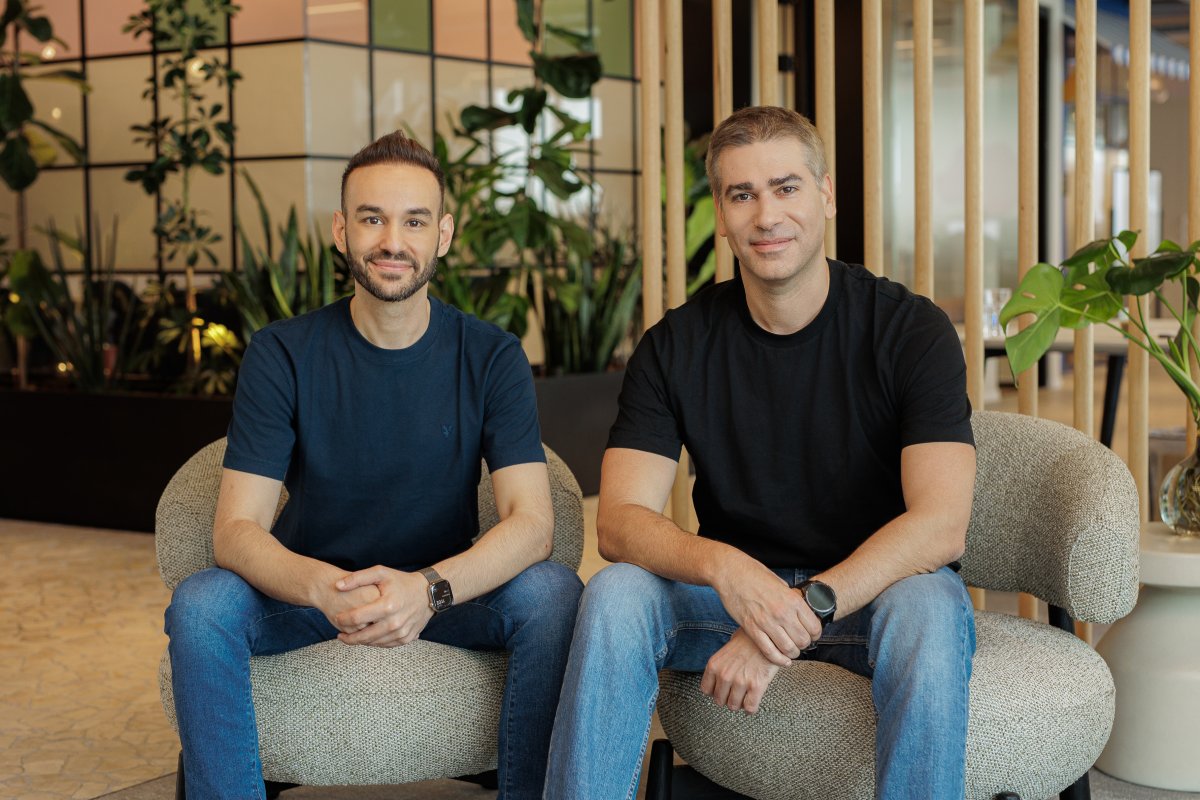
Physical badges used to be all you needed for identity management at a company. But with humans now working alongside machines and AI agents in digital environments, even the identity tools built for the cloud era are proving inadequate.
That’s the gap Israeli startup Oak is stepping out of stealth to fill, it says. Co-founded by serial entrepreneur Shai Morag, the company has been quietly building a unified control plane that governs identity across an organization, and is now emerging publicly with its product generally available and already deployed by enterprise clients, backed by $60 million in seed funding that it raised late last year.
The company didn’t disclose client names, but said its solution is already generally available and deployed by enterprise clients.
Outdated credentials and poor identity access management — or IAM, the systems that control who and what can access company data — are a common security vulnerability, one that AI is expected to make even easier for attackers to exploit. Oak also calls itself AI-native, positioning itself as a replacement for legacy tools that were already showing their limits but had no consolidated alternative.
According to Oak’s other co-founder, chief product officer Tal Marom, the startup spent months talking to 100 CISOs and IAM leaders before building its product: an AI connector framework that maps access to actual app usage and removes permissions that are no longer needed in real time, rather than only during periodic reviews.
“Right now, the whole process is too manual, and it’s operations-based, not risk-based — for instance, there’s no trigger when an employee logs in from an unusual location,” said Morag, a former army major who spent more than two decades in cybersecurity. During that time, he had three exits, including selling cyber startup Secdo to Palo Alto Networks in 2018.
This track record helped Oak raise what is a very big round by local standards, one that matches its plans to invest heavily in R&D and growth, Morag said. “Our vision is to be born as a giant,” he told TechCrunch.
Morag’s résumé already includes a stint at a giant organization. After public cyber company Tenable acquired his cloud identity and security startup Ermetic for $265 million in 2023, he stayed on as CPO. But after CEO Amit Yoran became ill and passed away, Morag left and told his wife he’d retire.
Instead of stepping back, though, Morag co-founded Oak with Marom, a product team lead he’d met at Tenable who’d previously held similar roles at Salesforce and in the Israeli military. While in stealth, the two also built a team of 50 people and are actively hiring, particularly in the U.S., where a majority of Oak’s staff will soon be based, Morag said.
Oak’s $60 million round was co-led by Accel, CRV, and Greylock Partners, with participation from AlphaDrive Ventures, Hetz Ventures, and angel investors. Morag told TechCrunch that VC interest was strong from the outset.
Accel partner Andrei Brasoveanu said Morag’s track record alone was a strong argument. Accel had led Ermetic’s Series A when it was pre-revenue; when Tenable acquired it, Accel gave Morag an informal standing offer to back whatever he built next, Brasoveanu said. “I knew he had it in him to build another company, but this time even bigger and even better.”
With AI as “a democratizing force,” Accel has been backing founders right out of high school, Brasoveanu said. But when it comes to identity management, experience still counts. “There’s complexity in the product, and there’s also complexity in the organizations you have to navigate to figure out how to sell something like this,” he said.
Both Brasoveanu and Morag expect Oak will face plenty of competitors trying to use AI as a catalyst for change in a space where vendor lock-in runs deep. That makes it critical for Oak to scale fast. Morag, who’s told his wife this will be his last company, says he won’t retire until he’s given it everything he’s got: “I will go big or go home.”
Picture above, from right to left: Shai Morag and Tal Marom.
When you purchase through links in our articles, we may earn a small commission. This doesn’t affect our editorial independence.