dailynewsnblog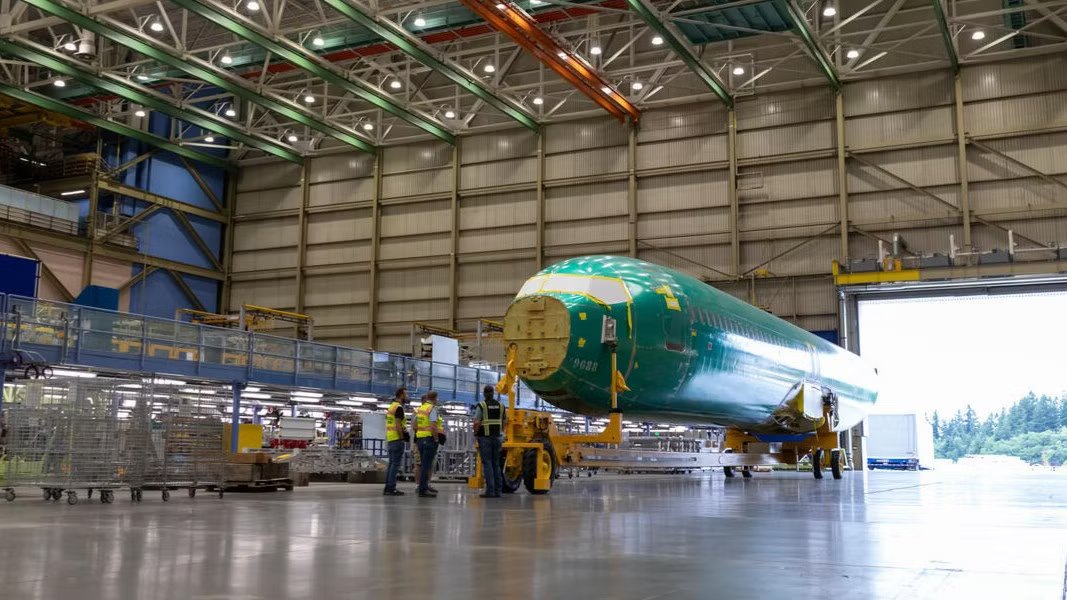
As the Boeing 737 MAX series nears the final stages of certification for its highly anticipated MAX 10 and MAX 7 variants, the order book has filled up to epic proportions. With the backlog that accumulated after the first quarter of 2026, Boeing is slated to deliver 7,206 airframes of all variants, which makes it the best-selling aircraft in the historic plane maker’s history.
The stunning sales numbers of the 737 MAX are vital as  Boeing returns to full rate production capacity to stabilize its business after the type suffered the longest global fleet grounding in aviation history. While Boeing still has a long way to go to catch up to the even deeper backlog of the Airbus A320 family, these sales numbers are a strong sign of progress towards reclaiming the title of best-selling jetliner of all time, which the A320 took over in late 2025.
Boeing Gets Back To Business

The 737 MAX type was Boeing’s fastest-selling aircraft when it hit the market in 2011, but it has underperformed since fatal mishaps two years after its service entry and an in-flight door blowout in 2024. Now, Boeing is on track to have its best year in nearly a decade in 2026 as the narrowbody side of its airliner business is not only stabilizing but finally beginning to ramp up to historic goals.
Boeing has spent years reworking the assembly line, consolidating suppliers for quality assurance, and completely reinventing the company’s culture around safety to bring the line of jets back up to the company’s historically exceptional standards. In June, 100 orders for the 737 MAX came in, which put it past the preceding 737 Next Generation to become Boeing’s best-seller, as the Seattle Times reported.
Boeing received approval from the Federal Aviation Administration in late 2025 to increase its delivery rate of 737 MAX jets, which it plans to bump up again this year and then raise to 53 per month in early 2027. Kelly Ortberg, Boeing president and chief executive officer, made this remark in April’s first quarter results press release:
“We’re building on our momentum with a strong start to the year and growing record-breaking backlog across our business, while supporting our customers… [and] increasing production to uphold our customer commitments and get back to the iconic global aerospace company that leads our industry.”
The Price Of Shortcuts On The Factory Floor

The crash of Lion Air Flight 610 and Ethiopian Airlines Flight 302 cost the lives of 346 people. Boeing has fixed the maneuvering characteristic augmentation system that was to blame for the incorrect autopilot inputs that caused both planes to uncontrollably fly into terrain. Since the beginning of the 20-month global grounding that followed, and the subsequent company crisis, Boeing estimated that it has lost around $20 billion.
To salvage its vital narrowbody, the company has even consolidated its supply chain by reabsorbing Spirit AeroSystems, which makes 70% of the aerostructures and was responsible for the mid-air blowout of the Alaska Airlines flight in 2024. Now that it has course corrected, Boeing recently opened a new $1 billion automated production line in Everett, Washington. After 15 years, the latest and greatest version of the 737 is finally becoming a fully mature production program.
Boeing’s Never-Ending Duel With Airbus

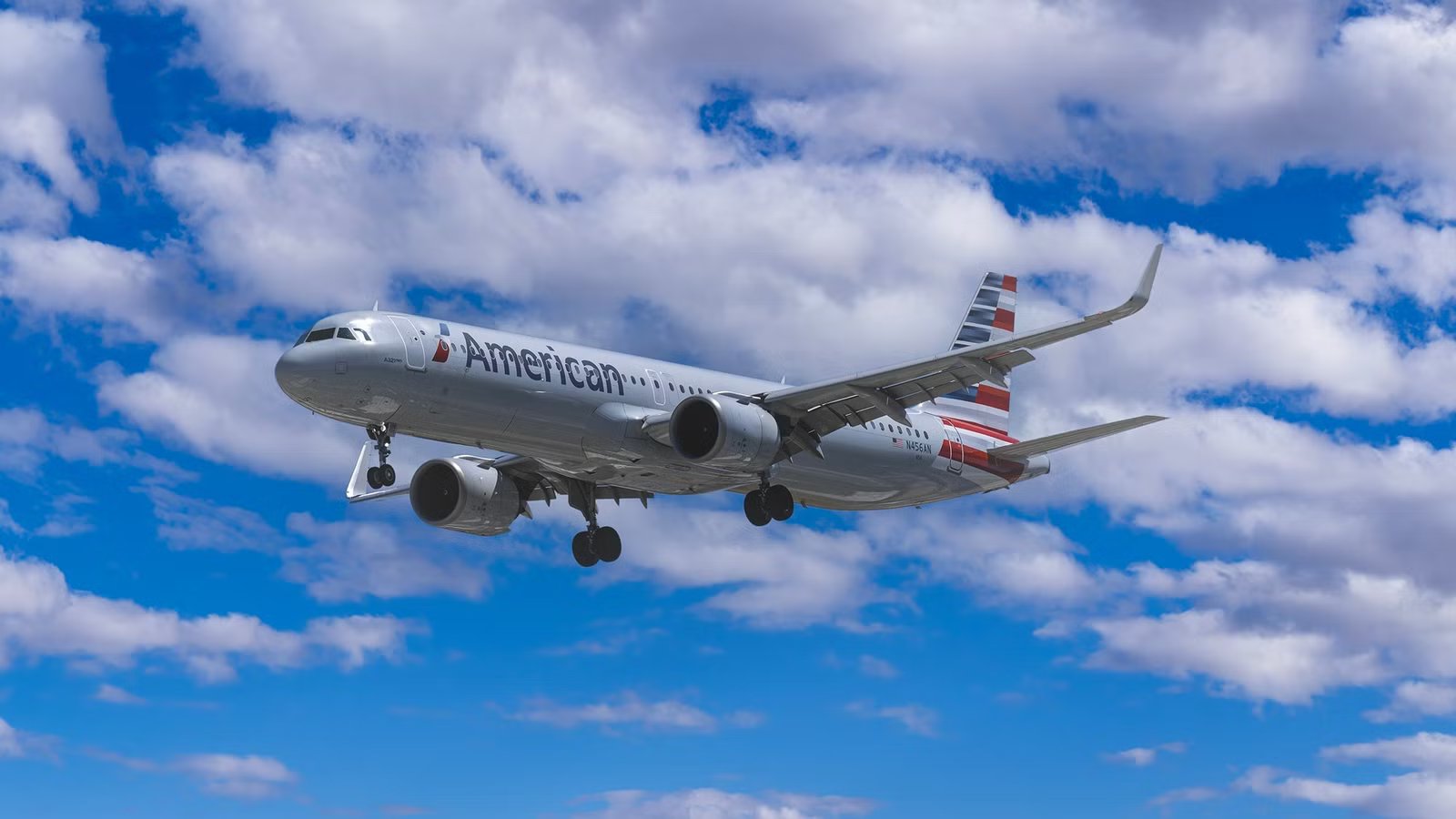
Despite the Boeing commercial aviation division’s internal milestones, Airbus fundamentally shifted the market balance in single-aisle aviation over the last several years. This was best spotlighted when the A320 type officially took the crown for best-selling airliner of all time on October 7th, 2025, after delivering the 12,260th example.
Boeing will need to leverage its maximum production potential to raise delivery numbers and boost sales if it is going to catch up to its European competitor. Across the pond, Airbus has a very deep backlog for its A320neo jets as well. The A321neo alone has 7,769 orders on the books, which surpasses the entire 737 MAX family. Combining the tally for all the variants, the A320neo family boasts a total of 12,104 orders to date.