dailynewsnblog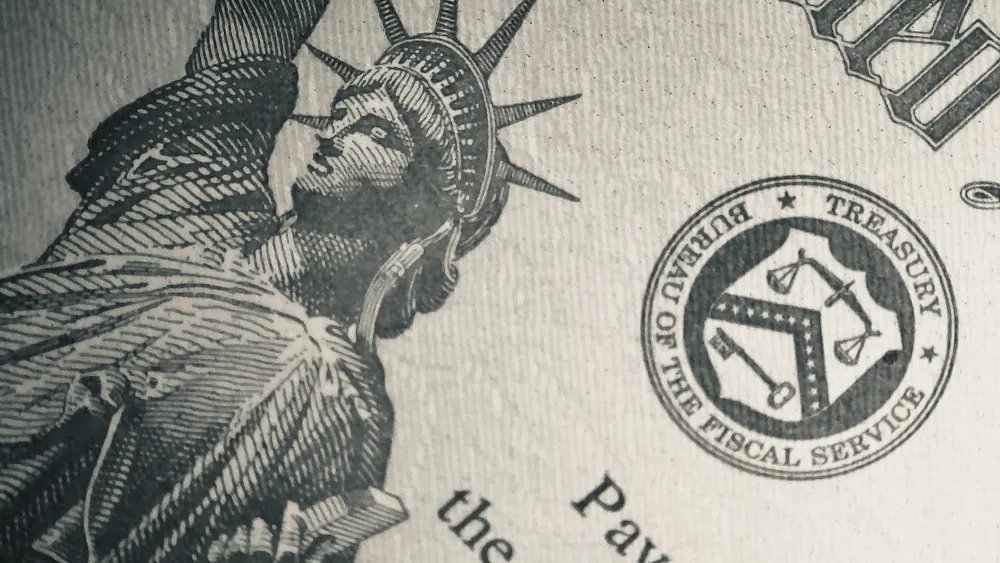
Potential and certified refunds from the Trump administration’s defunct global duties have hit $121.75 billion, a mark of significant progress in paying back an estimated $166 billion due to affected importers.
Customs and Border Protection’s online platform for International Emergency Economic Powers Act (IEEPA) tariff refund requests, had issued $86.3 billion in refunded duties plus interest, certified them and sent them to the Treasury Department for disbursement as of Friday, according to Brandon Lord, executive director of the Trade Programs Directorate at CBP.
The Consolidated Administration and Processing of Entries (otherwise known as CAPE) saw 24.4 million entries with IEEPA duties pass through validation as of that time. Of those accepted entries, 16.74 million have been liquidated or reliquidated without IEEPA duties, while 4.77 million entries included in IEEPA tariff declarations failed entry level validations, Lord, who was instructed by the Court of International Trade (CIT) to provide updates on CBP’s progress in processing IEEPA refunds, wrote.
It’s estimated that 53 million entries were subject to IEEPA tariffs between “Liberation Day” in April 2025 and late February when the duties were invalidated by the Supreme Court.
According to a monthly statement from the Treasury Department, $49.1 billion in tariff refunds were sent back to importers during the month of June alone, building upon and accelerating the pace of refunds seen in May, which totaled $22 billion.
The June figure more than eclipsed the $23.6 billion in tariff revenue from other trade programs collected—like the Section 122 and Section 232 tariffs, along with existing Section 301 duties and most favored nation tariffs—during the month, deepening the country’s deficit to $120 billion for the month. In total, the federal budget deficit has ballooned to almost $1.4 trillion. That’s $35 billion more than the deficit recorded during the same period last fiscal year, according to the Congressional Budget Office.
The administration’s 10 percent global duties, levied under Section 122 of the Trade Act of 1974, which addresses balance-of-payments issues, will expire on July 24. Like the IEEPA tariffs before them, the Section 122 duties were deemed unlawful by the CIT, but the administration was granted a stay on the ruling and continues to collect tariffs as the appeals process plays out.
Meanwhile, the U.S. Trade Representative held hearings last week on a proposal to impose new duties on around 60 countries targeted in a Section 301 investigation regarding forced labor. If the trade arm of the federal government moves forward with the tariffs, they will be worth between 10 percent and 12.5 percent. Another Section 301 investigation into structural excess capacity across 16 global economies is still underway.