dailynewsnblog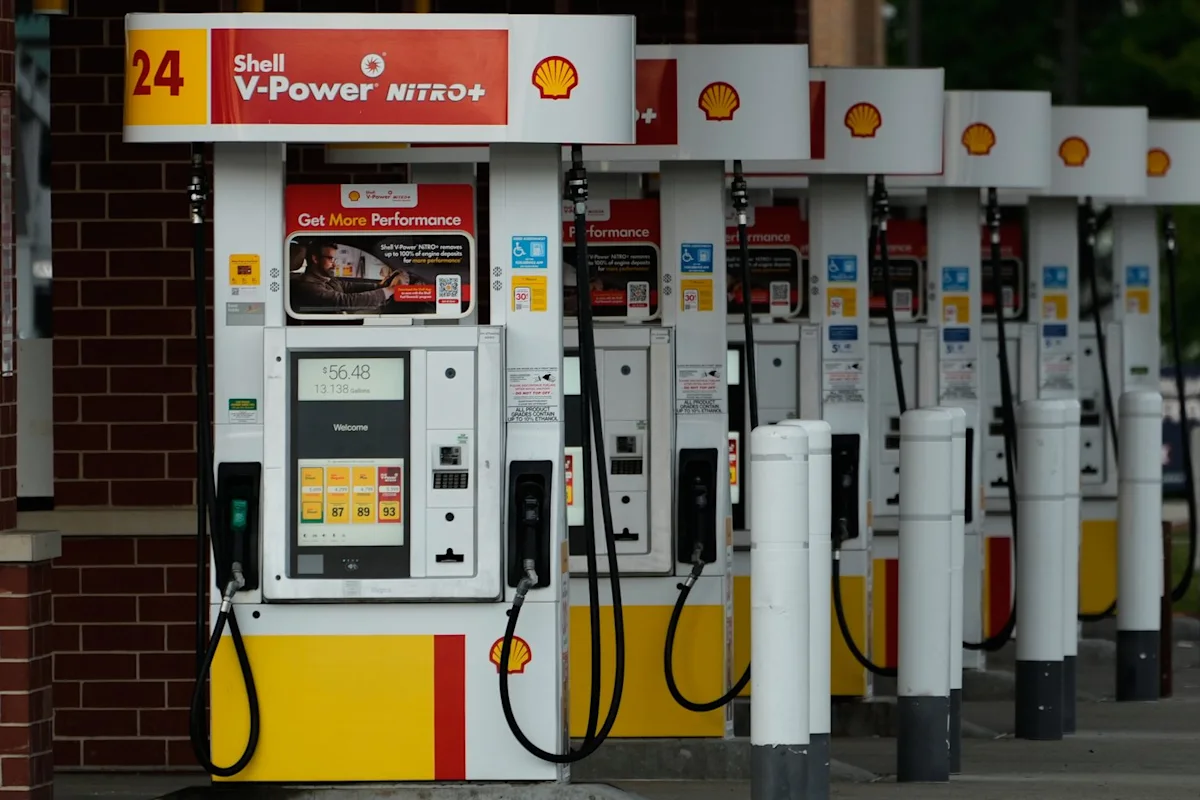
WASHINGTON (AP) — Inflation likely cooled last month as gas prices declined, providing consumers with some welcome relief even as renewed combat with Iran has sent oil prices climbing again.
The government’s latest inflation report, to be released Tuesday, is forecast to show that consumer prices dropped 0.2% in June, according to a survey of economists by data provider FactSet. It would be the first monthly decline in nearly four years. Compared with a year ago, prices probably rose 3.9%, down from a 4.2% annual rate in May.
Gas prices have fallen a bit more in July, suggesting inflation could dip again in next month’s report. Still, the better numbers aren’t likely to unwind concerns about affordability that have become a political liability for the Trump administration as the midterm elections near. Inflation is still higher than before the Iran war, when it was just 2.4%.
And the situation in the Middle East continues to change hour to hour. On Monday, the price for a barrel of Brent crude oil, the international standard, climbed 9.6% to $83.30 after the United States and Iran each said the Strait of Hormuz is under its control.
Gas price spikes have also raised air fares. And by pushing up diesel prices, they have lifted shipping costs for groceries and other goods.
Yet analysts will be looking at more than gas prices. World Cup matches in 11 U.S. cities likely boosted hotel prices, economists forecast. New and used car prices are expected to have fallen. But prices for many services — restaurant meals, entertainment, healthcare — are still rising more quickly than they did before the pandemic.
Excluding the volatile food and energy categories, core prices are forecast to have risen 0.2% in June from the previous month, and 2.8% from a year earlier, according to FactSet. Monthly increases at that level for the rest of the year would bring core prices — which the Fed pays close attention to — nearer to target.
A slowdown in inflation could take some pressure off the Federal Reserve to raise its key rate, which it typically does to cool spending and price increases. Chair Kevin Warsh, who took over May 22, has underscored that the Fed is tightly focused on getting inflation back to its target of 2%, though he has declined to signal what the Fed’s next steps will be.
Other Fed officials, however, have warned that inflation has been above their target for more than five years, and unless there are clear signs it is declining, a rate hike might be needed. John Williams, president of the Federal Reserve Bank of New York, said last week that core inflation increasing at 0.2% a month or less for the rest of this year would be consistent with falling inflation.