dailynewsnblog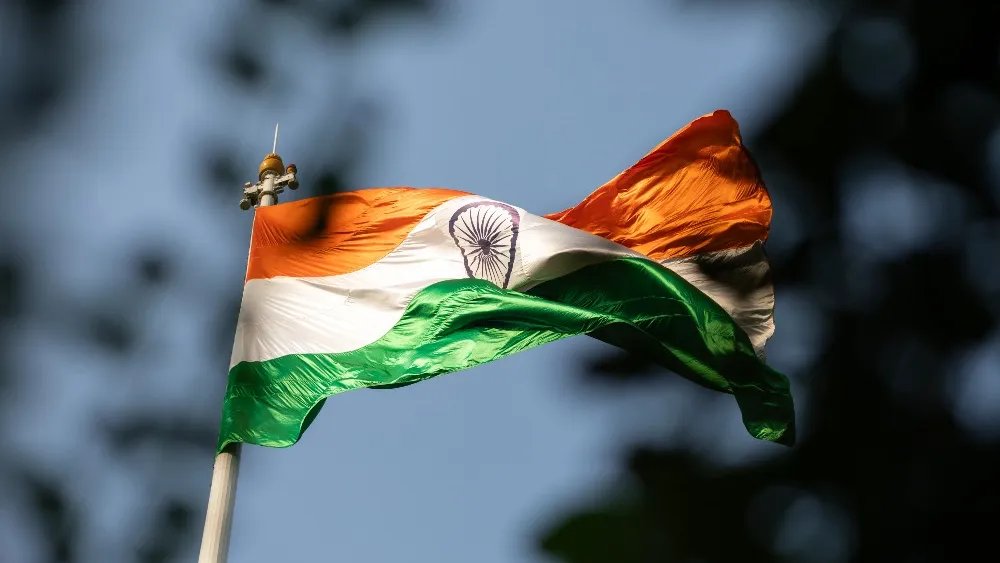
Reports over the weekend suggested that India had rejected the substance of a hard-fought trade framework with the United States, but the country’s top trade negotiators sought to dispel those allegations on Monday.
Indian Commerce Secretary Rajesh Agrawal said the U.S. and India are moving forward on a bilateral agreement and no significant hurdles have inhibited those talks, according to the New Indian Express.
“We are progressing well. We don’t see any dissension; we don’t see any challenge around it. We feel we are moving towards a very positive deal,” he said, according to the outlet.
“Both sides know each other’s expectations. Both sides know what is coming in the framework deal and what is beyond the framework deal that is being negotiated,” he added.
Meanwhile, Commerce and Industry Minister Piyush Goyal characterized claims that the negotiations had stalled as “completely false, baseless and misleading.”
Their accounts differ from those published in recent days, however.
On Sunday, Reuters reported that India had spurned an interim agreement with the U.S. and was planning to dig in its heels and wait for concessions from the American side. An unnamed official told the outlet that India did not “intend to rush into a deal that is not on favorable terms” or cede ground on issues like agricultural access, which has been a key area of focus in negotiations.
Talks have persisted for months without a solid path forward, and the two sides neglected to solidify an interim deal during U.S. Trade Representative Ambassador Jamieson Greer’s visit to New Delhi in June. The summit was expected to move the ball down the pitch significantly.
At the time, Greer indicated that the U.S. trade affiliation with India was fundamentally consequential for American commerce. Speaking about the “amazing” dynamic between President Donald Trump and Indian Prime Minister Narendra Modi, Greer said the two had “agreed to take the relationship to the next level,” including finalizing the trade agreement.
Several weeks later, though, the deal is still on ice. In early February, the two countries agreed to a framework that would see duties on Indian imports into the U.S. market tariffed at 18 percent, but it was put on hold when the Supreme Court invalidated Trump’s signature tariff policy, calling into question the foundation of the agreement, according to Indian trade negotiators.
Currently, goods from India face 10 percent tariff under Section 122 of the Trade Act of 1974, as do all global imports. Those tariffs will expire on July 24.
In a bid to quickly replace those sunsetting duties—and rebuild its now-defunct “reciprocal” tariff scheme—the USTR initiated Section 301 investigations into 60 of America’s trading partners, including India, this spring, and concluded last month that the country had failed to effectively impose or enforce a ban on imports made with forced labor.
The country could soon face duties on most of its U.S.-bound exports worth 12.5 percent. Hearings on the issue took place in Washington last week, with some industry associations urging the administration to refrain from imposing new duties.
As its trade relationship with the U.S. hangs in the balance, India has been forging forcefully ahead in brokering trade pacts with other partners. Its trade pact with the United Kingdom, the Comprehensive Economic and Trade Agreement, is slated to enter into force this month, and a landmark agreement with the European Union, signed into law in January, will ensure duty-free market access to most products made and mined in the country.
On June 1, the India-Oman Comprehensive Economic Partnership Agreement entered into force, eliminating existing tariffs on Indian products like textiles, leather, footwear and jewelry.