dailynewsnblog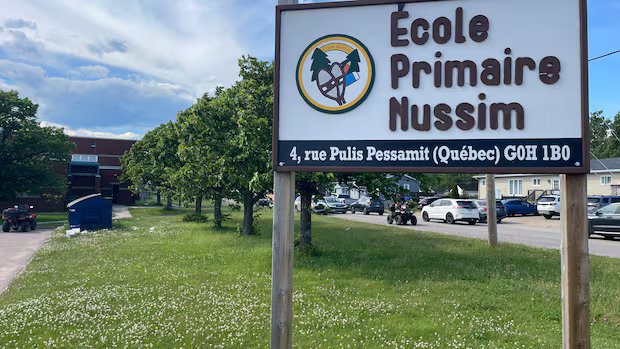

Listen to this article
Estimated 3 minutes
The audio version of this article is generated by AI-based technology. Mispronunciations can occur. We are working with our partners to continually review and improve the results.
Members of the Innu First Nation of Pessamit, northeast of Quebec City, voted against a deal that called for more than $2.5 billion in compensation over the next 50 years, in exchange for an end to any legal challenges to hydroelectric development.
The Pessamit Innu band council had put the agreement — which it had negotiated with Hydro-Québec and the provincial government — to a referendum in the community, located less than 60 kilometres southwest of Baie-Comeau on the North Shore.
Sunday’s vote had a turnout of about 37 per cent. Of the roughly 3,500 members who were eligible to vote, 1,287 cast their ballots. A total of 63 per cent voted against it.
Alexis Wawanoloath, the referendum chairman, announced Sunday evening that 809 members voted “no” and 471 voted “yes.” Seven votes were rejected.
“The Innu of Pessamit have spoken. They do not authorize Chief René Simon to sign the agreement,” Wawanoloath declared after the evening vote count, live on social media.
“Democracy has spoken.”
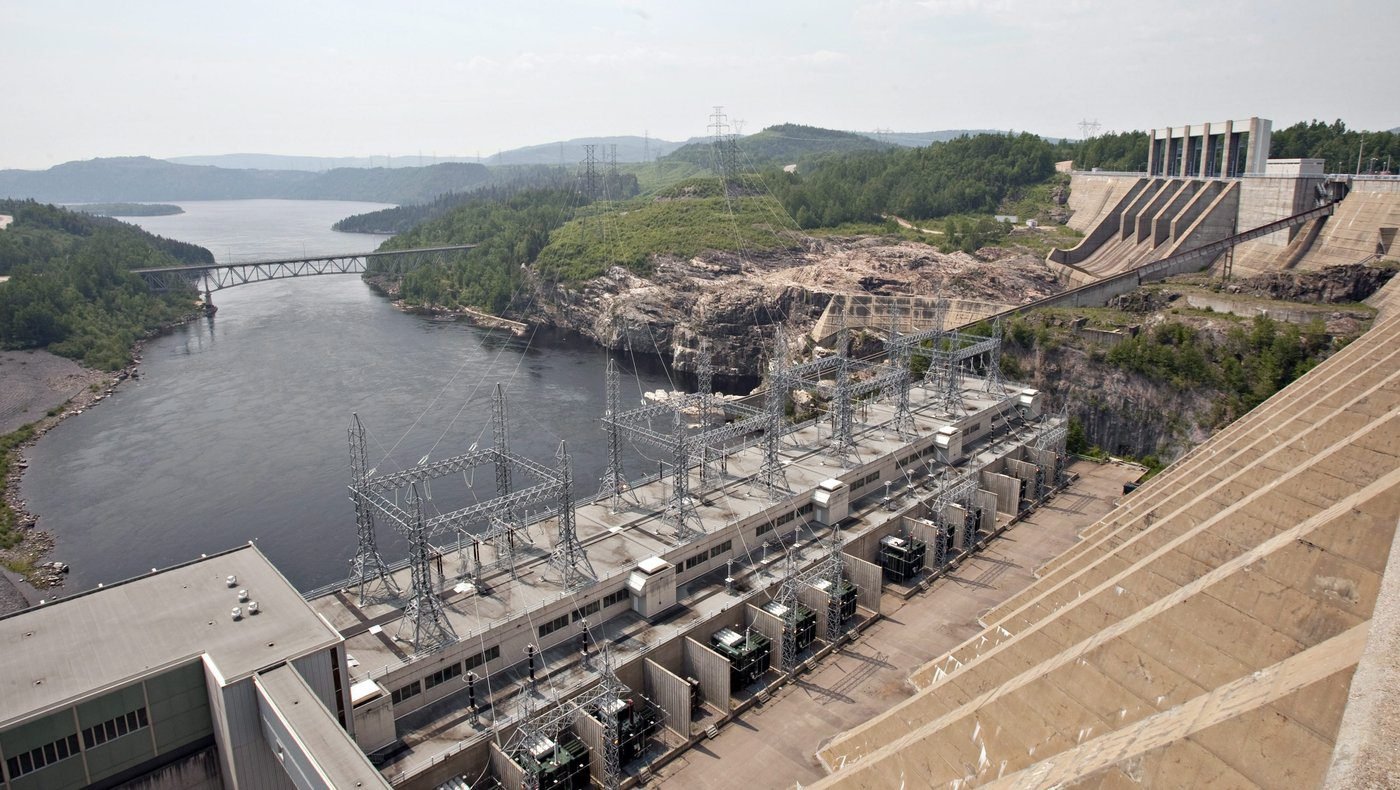
Hydro-Québec had hoped this agreement would pave the way for the construction of a hydroelectric dam, the erection of wind turbines and the establishment of electricity transmission lines on the community’s ancestral territory.
The Pessamit community would have received additional compensation for each new project.
The council had estimated the deal could bring in $7 billion to the community over the next 50 years, if Hydro-Québec built new dams on the territory. But that figure was not included in the agreement.
Members had expressed discontent at having fewer than 10 days to debate and participate in information sessions on the subject before Sunday’s vote.
Jérôme Bacon St-Onge, the vice chief of the Pessamit Innu council, shared a response on Facebook following Sunday’s vote, saying the members’ decision will be fully respected.
His council’s responsibility now, he added, is to “continue its work … to protecting our territory, our rights, and our collective future.”

Premier Christine Fréchette wrote on X Monday morning that her government acknowledges the decision of the Pessamit community and respects it.
“This result shows that there is still work to be done. The Government of Quebec remains convinced that it is possible to conclude a beneficial agreement, both for the Pessamit community and for all Quebecers,” she said.
“We will be able to resume discussions later in a spirit of collaboration and respect in order to build, together, a winning agreement for all.”
Quebec’s Indigenous Affairs Minister Ian Lafrenière also reacted in a statement late Sunday evening, saying he accepts the decision and will meet with community leaders today.
Hydro-Québec shared a statement, as well, saying it respects “the democratic decision of the Pessamit community,” adding that it remains open to dialogue and will continue its discussion with community representatives.