Trending News:Trump remembers his last call with Lindsey Graham the night before his death: Full interviewIce on testicles and donating blood – the myths sold to men trying to boost their spermU.S. Senator and Trump ally Lindsey Graham dies age 71Less is more with the Oura Ring 5X-Men ’97 voice actor weighs in on Marvel’s spiciest love triangle: ‘I’ll ship that’The Money Of Politics – David GrahamWhy A Rumored United Airlines’ Ultra-Long-Haul Flight Could Become Among The Most Profitable Routes In AviationA look at Canada’s uranium mining industry and its plan for nuclear plantsCome with me into the strange world of music-based conspiracy theoriesHe fleeced the Navy for millions, then fled the country. Now he wants a pardon.Trump says he spoke with Sen. Lindsey Graham hours before his deathStop Scrubbing Your Microwave. This 2-Minute Steam Trick Does It BetterMcCullum sacked as England Men’s Test coach by ECB, will remain in white-ball roleWill Warsh offer any clues on Fed rates outlook?Guinea fowl sales spike in N.S. as homeowners look for natural tick controlHow The Chicest People Dress for Summer in The CityXbox Is Teasing Something Big For Next Week Amid Disc-To-Digital RumorsCoinbase, Lyft, and Axon prove there’s more going on in markets than the ‘Magnificent 7’Follow live: Salsa on St. Clair cancelled as police investigate shooting sceneThe Correct Way To Position Your Router’s Antennas Depends On Your HomeThis ultrasound treatment may help stop arthritis before it startsCongressman detained by Israeli settlers in the West BankBook Delta One to Europe for 115,000 SkyMiles plus $5.60At World Cup Ticket Prices, Even Messi Can’t Fill a StadiumWorld Leaders Remember Senator Lindsey GrahamCollege football regression candidates: Ohio State, Texas A&M win totals dropPrime Minister Mark Carney set to attend last day of Calgary StampedeFederal agency touts operation of cybersecurity sensors across the NorthMeet the Floating Robot Companion Designed for Safe, Friendly Human InteractionZelenskyy Ousts Premier, Considers Naftogaz Chief for the RoleAlbertan Mark Milke wants to reinvigorate Canada, not leave itIran’s New Supreme Leader Vows Revenge For Death of His DadAlzheimer’s tau protein has a surprising secret role in memorySheikh Hamad bin Khalifa Al Thani: key mediations | NewsThe Liquid Cooled Andromeda Insights RTX 5080 Prebuilt Gaming PC Drops to $2,3507 Protective Braid Styles to Opt for in Summer 2026‘Social phenomenon’: Fashion saddles up to politics at the Calgary StampedeSalsa on St. Clair cancelled Sunday following fatal shootingBlue Prince became a bonding — and learning — experience for my familyThe Most Important Packers: No. 17 — C Sean RhyanWATCH: Despite being struck by car, DoorDash driver completes her deliveryAirline Crew Berated By Passenger For Not Speaking Their Language: Who’s Right?Funds Fret Over $4.4 Trillion AI Trio’s Grip on Emerging MarketsLeah Kateb’s Fragrance Favorites and New Viral Shower RoutinesThe Apple Watch’s Biggest Weakness Makes the Best Case for an Apple RingLindsey Graham dies aged 71 after sudden illness, his office says – live | US politicsBryan Brulotte: Canada can’t afford another unbuilt pipelineWorld Cup 2026: What to expect from semi-finals including Kylian Mbappe, Lamine Yamal, Jude Bellingham and Lionel MessiBox Art Brawl – Duel: Fortified Zone‘Power hungry’: Nuclear renaissance a boon for Canada’s mining and reactor sectorsBrad Bradford has already raised $1.8 million for his Toronto mayoral campaign. Here's what that might mean for his chances of beating Olivia ChowDyson, Tineco, Shark and More Vacuums Are Up to 49% Off at Walmart and AmazonThe real mystery behind Moana: After 1,700 years, why did Polynesians suddenly sail east?U.S. and world leaders pay tribute to Lindsey Graham following sudden deathThe 20 Best Plus Size Wedding Guest Dresses, According to An ExpertFemale surnames in Kenya – the Kikuyu men standing up to ridiculeTop 20% of Canadian families by income pay more than half of all taxesThe fight against AI data centers is just beginningAfter a disastrous comeback at UFC 329, could McGregor be trusted to try again?Nissan CEO on why building in America is ‘the strategy that’s working’How Lawrence Bishnoi grew his extortion gang in CanadaSpecial Report: Looking back on the political legacy of Sen. Lindsey GrahamThe Sunday Papers | Rock Paper ShotgunU.K. Police Make New Arrest in Killing of Ex-LawmakerRepublicans join Democrats in the backward fight against economic freedomTeens are chaining themselves to trees to fight a California school districtThree people injured in shooting at Port Lands, police sayThe Trump Administration’s Threat to Scientific ResearchEngland v India Day Three: Lauren Bell gets her second wicket, bowling Jemimah Rodrigues30 Workout Sets Every Hot Girl on a Budget Should Shop RNIRGC releases video of retaliatory missile strikes | Islamic Revolutionary Guard CorpsValve has rewired Counter-Strike 2’s bomb to make it more spectacular, but potentially less deadlyEveryone Outdoors Together wants Canadians outside at the same timeLive Updates: Iran Targets Gulf States After Night of Intense U.S. StrikesVW CEO Says ‘Smarter Solutions’ Possible Beyond Closing PlantsRaptors mailbag: How will the Kawhi Leonard mess end, and what about a DeMar DeRozan reunion? England defeats Norway for World Cup semifinals spot‘Nothing to suggest’ Ann Widdecombe death politically motivated, say police | UK newsEng vs Ind – Brendon McCullum relaxes new drinking regulations after England series winCanada’s Senate: A glimpse at the operations of the upper chamber‘Something concrete’: Why Asian-Canadians were moved to denounce antisemitismHere’s How Apple Is Updating Its Child Safety Features in iOS 27The Descent – how game devs learned to love ladders7-Hour Flights: Singapore Airlines’ 11 Longest Nonstop Boeing 737 MAX Routes RevealedWhere was America 250’s celebratory spectacle?2 killed, 6 injured at Toronto festival after pair of gunmen shoot at one anotherAlexa’s Denim Miniskirt is Summer’s Answer to JeansBadly burned British couple rescued from ravine during Spain wildfiresWATCH: Humanoid robots step up to the operating tableUFC 329: Conor McGregor releases statement on loss, denies entering fight with injurySociety should separate complicated artists’ lives from their art28 Best STEM Toys for Kids (2026): Learning Made FunThis former U.S. soccer player built a $20 billion-a-year company. Now, he says resilience matters more than talent—and points to Lionel Messi as proofThis historic Ontario waterfront estate in a world-class culinary region is opening a new restaurantLautaro Martínez liquida a Suiza en el tiempo extra y Argentina pasa a semifinalesHard-Liners in Iran Want to Keep Fighting AmericaNew Star Wars book reveals how Andor made Star Wars history with one unique propWe will never forget what Iran did to CanadiansWhat is the difference between quad and wheelchair tennis?How Emirates Is Spending $2 Billion To Defend Itself Against The World’s Newest Premium Airline
Welcome to Daily News & Blog – your go-to source for the latest news, insightful blogs, and trending stories from around the world.
Who We Are
At Daily News & Blog, we are passionate about delivering accurate, timely, and engaging content across various categories, including world news, economy, technology, sports, gaming, travel, fashion, health, and more. Our goal is to keep you informed, inspired, and ahead of the trends.
What We Offer
✔ Breaking News & In-Depth Analysis – Stay updated with real-time updates and well-researched articles. ✔ Diverse Topics – Covering everything from global events to lifestyle, entertainment, and innovation. ✔ Engaging Blogs – Thought-provoking opinions and expert insights on trending subjects. ✔ Reliable Sources – We curate information from trusted news providers and industry experts.
Our Mission
We aim to be more than just another news website. Our mission is to create a platform where information meets authenticity, helping our readers navigate an ever-changing world with clarity and confidence.
Join Us
Follow us for daily updates and be part of a growing community that values knowledge and meaningful discussions.
📩 Have a story or feedback? Contact us at info@dailynewsnblog.com
Trending News:Trump remembers his last call with Lindsey Graham the night before his death: Full interviewIce on testicles and donating blood – the myths sold to men trying to boost their spermU.S. Senator and Trump ally Lindsey Graham dies age 71Less is more with the Oura Ring 5X-Men ’97 voice actor weighs in on Marvel’s spiciest love triangle: ‘I’ll ship that’The Money Of Politics – David GrahamWhy A Rumored United Airlines’ Ultra-Long-Haul Flight Could Become Among The Most Profitable Routes In AviationA look at Canada’s uranium mining industry and its plan for nuclear plantsCome with me into the strange world of music-based conspiracy theoriesHe fleeced the Navy for millions, then fled the country. Now he wants a pardon.Trump says he spoke with Sen. Lindsey Graham hours before his deathStop Scrubbing Your Microwave. This 2-Minute Steam Trick Does It BetterMcCullum sacked as England Men’s Test coach by ECB, will remain in white-ball roleWill Warsh offer any clues on Fed rates outlook?Guinea fowl sales spike in N.S. as homeowners look for natural tick controlHow The Chicest People Dress for Summer in The CityXbox Is Teasing Something Big For Next Week Amid Disc-To-Digital RumorsCoinbase, Lyft, and Axon prove there’s more going on in markets than the ‘Magnificent 7’Follow live: Salsa on St. Clair cancelled as police investigate shooting sceneThe Correct Way To Position Your Router’s Antennas Depends On Your HomeThis ultrasound treatment may help stop arthritis before it startsCongressman detained by Israeli settlers in the West BankBook Delta One to Europe for 115,000 SkyMiles plus $5.60At World Cup Ticket Prices, Even Messi Can’t Fill a StadiumWorld Leaders Remember Senator Lindsey GrahamCollege football regression candidates: Ohio State, Texas A&M win totals dropPrime Minister Mark Carney set to attend last day of Calgary StampedeFederal agency touts operation of cybersecurity sensors across the NorthMeet the Floating Robot Companion Designed for Safe, Friendly Human InteractionZelenskyy Ousts Premier, Considers Naftogaz Chief for the RoleAlbertan Mark Milke wants to reinvigorate Canada, not leave itIran’s New Supreme Leader Vows Revenge For Death of His DadAlzheimer’s tau protein has a surprising secret role in memorySheikh Hamad bin Khalifa Al Thani: key mediations | NewsThe Liquid Cooled Andromeda Insights RTX 5080 Prebuilt Gaming PC Drops to $2,3507 Protective Braid Styles to Opt for in Summer 2026‘Social phenomenon’: Fashion saddles up to politics at the Calgary StampedeSalsa on St. Clair cancelled Sunday following fatal shootingBlue Prince became a bonding — and learning — experience for my familyThe Most Important Packers: No. 17 — C Sean RhyanWATCH: Despite being struck by car, DoorDash driver completes her deliveryAirline Crew Berated By Passenger For Not Speaking Their Language: Who’s Right?Funds Fret Over $4.4 Trillion AI Trio’s Grip on Emerging MarketsLeah Kateb’s Fragrance Favorites and New Viral Shower RoutinesThe Apple Watch’s Biggest Weakness Makes the Best Case for an Apple RingLindsey Graham dies aged 71 after sudden illness, his office says – live | US politicsBryan Brulotte: Canada can’t afford another unbuilt pipelineWorld Cup 2026: What to expect from semi-finals including Kylian Mbappe, Lamine Yamal, Jude Bellingham and Lionel MessiBox Art Brawl – Duel: Fortified Zone‘Power hungry’: Nuclear renaissance a boon for Canada’s mining and reactor sectorsBrad Bradford has already raised $1.8 million for his Toronto mayoral campaign. Here's what that might mean for his chances of beating Olivia ChowDyson, Tineco, Shark and More Vacuums Are Up to 49% Off at Walmart and AmazonThe real mystery behind Moana: After 1,700 years, why did Polynesians suddenly sail east?U.S. and world leaders pay tribute to Lindsey Graham following sudden deathThe 20 Best Plus Size Wedding Guest Dresses, According to An ExpertFemale surnames in Kenya – the Kikuyu men standing up to ridiculeTop 20% of Canadian families by income pay more than half of all taxesThe fight against AI data centers is just beginningAfter a disastrous comeback at UFC 329, could McGregor be trusted to try again?Nissan CEO on why building in America is ‘the strategy that’s working’How Lawrence Bishnoi grew his extortion gang in CanadaSpecial Report: Looking back on the political legacy of Sen. Lindsey GrahamThe Sunday Papers | Rock Paper ShotgunU.K. Police Make New Arrest in Killing of Ex-LawmakerRepublicans join Democrats in the backward fight against economic freedomTeens are chaining themselves to trees to fight a California school districtThree people injured in shooting at Port Lands, police sayThe Trump Administration’s Threat to Scientific ResearchEngland v India Day Three: Lauren Bell gets her second wicket, bowling Jemimah Rodrigues30 Workout Sets Every Hot Girl on a Budget Should Shop RNIRGC releases video of retaliatory missile strikes | Islamic Revolutionary Guard CorpsValve has rewired Counter-Strike 2’s bomb to make it more spectacular, but potentially less deadlyEveryone Outdoors Together wants Canadians outside at the same timeLive Updates: Iran Targets Gulf States After Night of Intense U.S. StrikesVW CEO Says ‘Smarter Solutions’ Possible Beyond Closing PlantsRaptors mailbag: How will the Kawhi Leonard mess end, and what about a DeMar DeRozan reunion? England defeats Norway for World Cup semifinals spot‘Nothing to suggest’ Ann Widdecombe death politically motivated, say police | UK newsEng vs Ind – Brendon McCullum relaxes new drinking regulations after England series winCanada’s Senate: A glimpse at the operations of the upper chamber‘Something concrete’: Why Asian-Canadians were moved to denounce antisemitismHere’s How Apple Is Updating Its Child Safety Features in iOS 27The Descent – how game devs learned to love ladders7-Hour Flights: Singapore Airlines’ 11 Longest Nonstop Boeing 737 MAX Routes RevealedWhere was America 250’s celebratory spectacle?2 killed, 6 injured at Toronto festival after pair of gunmen shoot at one anotherAlexa’s Denim Miniskirt is Summer’s Answer to JeansBadly burned British couple rescued from ravine during Spain wildfiresWATCH: Humanoid robots step up to the operating tableUFC 329: Conor McGregor releases statement on loss, denies entering fight with injurySociety should separate complicated artists’ lives from their art28 Best STEM Toys for Kids (2026): Learning Made FunThis former U.S. soccer player built a $20 billion-a-year company. Now, he says resilience matters more than talent—and points to Lionel Messi as proofThis historic Ontario waterfront estate in a world-class culinary region is opening a new restaurantLautaro Martínez liquida a Suiza en el tiempo extra y Argentina pasa a semifinalesHard-Liners in Iran Want to Keep Fighting AmericaNew Star Wars book reveals how Andor made Star Wars history with one unique propWe will never forget what Iran did to CanadiansWhat is the difference between quad and wheelchair tennis?How Emirates Is Spending $2 Billion To Defend Itself Against The World’s Newest Premium Airline
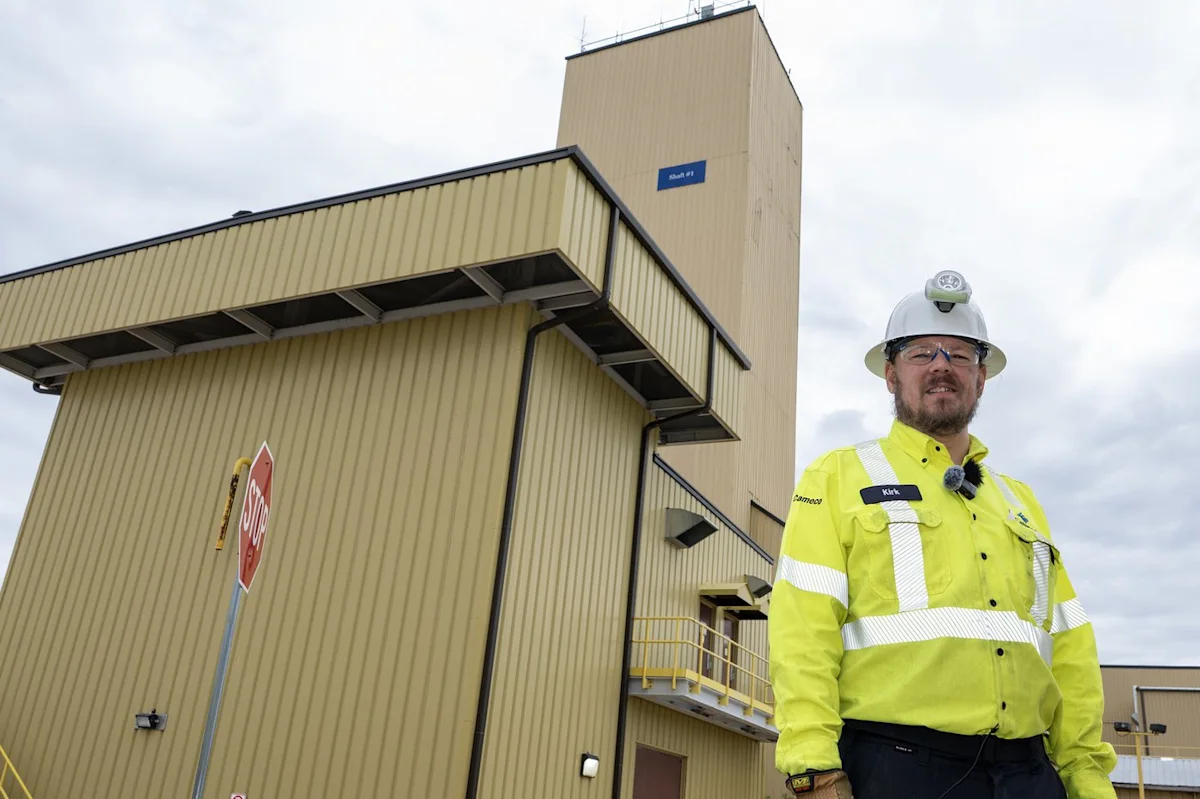
General Manager at Cameco’s Cigar Lake Operation Kirk Lamont stands for a photograph above ground during a media tour of Cameco’s Cigar Lake uranium mine in Cigar Lake, Sask., Monday, June 15, 2026. THE CANADIAN PRESS\Liam Richards – The Canadian Press
CIGAR LAKE, SASK. — Taryn Roske lost her job twice when the nuclear industry had ground to a halt.
The Cameco employee and hundreds of others were laid off from the company’s Rabbit Lake mine in northern Saskatchewan after it shut down in 2016.
“I had to sell my house,” Roske said in a recent interview. “I ended up taking a loss on that, because the housing market was in a horrible place.”
Four months later, she got a job at Cameco’s McArthur River mine and Key Lake mill. But they stopped operating two years later, and more layoffs followed.
“They were able to give me that information (about the closure) ahead of time, so I could start applying for other jobs,” Roske recalled.
She ended up getting a position at the company’s Cigar Lake mine, where she has worked ever since.
Still, she added, it was a stressful time for many in the industry.
“I think people thought that it was kind of over and that we weren’t going to make a comeback.
“But in the last few years, it’s proved otherwise.”
Following about a decade of stagnation, the nuclear industry is now seeing what some are calling a renaissance.
Countries across the globe, from China and India to the United States, are either building or promising to construct more nuclear power plants.
In Canada, the federal government has proposed 10 new reactors by 2040. Ottawa also wants to sell Canadian-made reactors to more countries and double uranium exports.
Ontario is building a small modular reactor at the existing Darlington station in Bowmanville, northeast of Toronto. Saskatchewan is also planning to construct a small reactor in the 2030s.
Cameco’s first woman jet bore operator Taryn Roske, stands for a photograph above in an equipment room a media tour of Cameco’s Cigar Lake uranium mine in Cigar Lake, Sask., Monday, June 15, 2026. THE CANADIAN PRESS\Liam Richards
Uranium is the main fuel component in most nuclear reactors. The radioactive metal is made into pellets that reactors use to create heat and generate electricity.
Saskatoon-based Cameco, which formed in 1988 following a merger between two Crown corporations, is one of the world’s largest uranium producers.
At Cameco, better market conditions have allowed the company to restart operations.
In 2022, McArthur River and Key Lake resumed production. Cigar Lake is also planning to start extracting uranium from a newer section of the mine in 2030.
At Rabbit Lake, however, production remains suspended.
“The need for nuclear power — we see it,” said Kirk Lamont, general manager of Cigar Lake.
“People are power hungry.”
Before its recent ascent, the industry’s downfall can be traced back to the Fukushima disaster in Japan.
In March 2011, an earthquake triggered a tsunami that overwhelmed the Daiichi nuclear power plant, resulting in meltdowns and explosions that released radioactive material into the environment.
The earthquake and tsunami killed about 22,000 people, and thousands more resettled elsewhere due to radiation. Uranium prices plunged, and public attitudes over nuclear power soured.
“The world said, ‘We don’t need — we don’t want — this uranium. We don’t want nuclear power,'” Lamont recalled. “It was devastating to the people that work (at Cameco).”
Peter Elder, the chief scientific officer with Canadian Nuclear Labs, said public opinion started to change a few years ago for two main reasons.
Countries want to reduce their emissions while meeting growing electricity demands, he said. Nuclear power produces no emissions, though waste needs to be safely stored away.
Countries also want a reliable energy source they can control. For example, those that use nuclear power are better equipped to handle disruptions to the oil and gas supply chain, Elder said.
“Once you build (nuclear), it’s relatively safe from someone not turning off your tap nearly as easily as oil or natural gas.”
Some tech giants in the United States have also inked deals to have their data centres powered by nuclear energy, Elder added.
“They’re going to pay a bit of a premium for that, because they want really high reliability on their electricity, something that you can’t right now get from any renewable source.”
Japan has cited energy security as a reason to reopen some plants, after initially promising to phase them all out.
In Canada, the mining sector is also capitalizing on the comeback.
There are two companies building new mines in Saskatchewan. Denison Mines Corp. is working on the Wheeler River project, while NexGen Energy Ltd. is constructing its Rook I site.
Production from both sites isn’t expected for another few years. But Elder said there’s more than enough uranium to go around.
All of Canada’s uranium mines are located in the Athabasca basin of northern Saskatchewan.
“If you look at the capacity in Saskatchewan, you could almost see that in the next few years it could triple,” Elder said.
He added Canada will need a strong workforce if it wants to build more reactors. The country may also have to deal with longer timelines to get them constructed.
Cameco’s Cigar Lake uranium mine site seen from an airplane following a media tour in Cigar Lake, Sask., Monday, June 15, 2026. THE CANADIAN PRESS\Liam Richards
At Cameco, the revival could mean additional investment.
“It’s those contracts that we sign that are going to enable us and backstop the investment in growing our production as we can,” said Cory Kos, Cameco’s vice-president of investor relations.
For Roske, the uranium resurgence has been a “huge blessing.”
“It’s longevity in my career,” she said. “It’s given me 16 years now, and hopefully it’s long enough for me to retire.”
This report by The Canadian Press was first published July 12, 2026.
Trump remembers his last call with Lindsey Graham the night before his death: Full interview
IE 11 is not supported. For an optimal experience visit our site on another browser. Now Playing Trump remembers his last call with Lindsey Graham the night before his death:…
A look at Canada’s uranium mining industry and its plan for nuclear plants
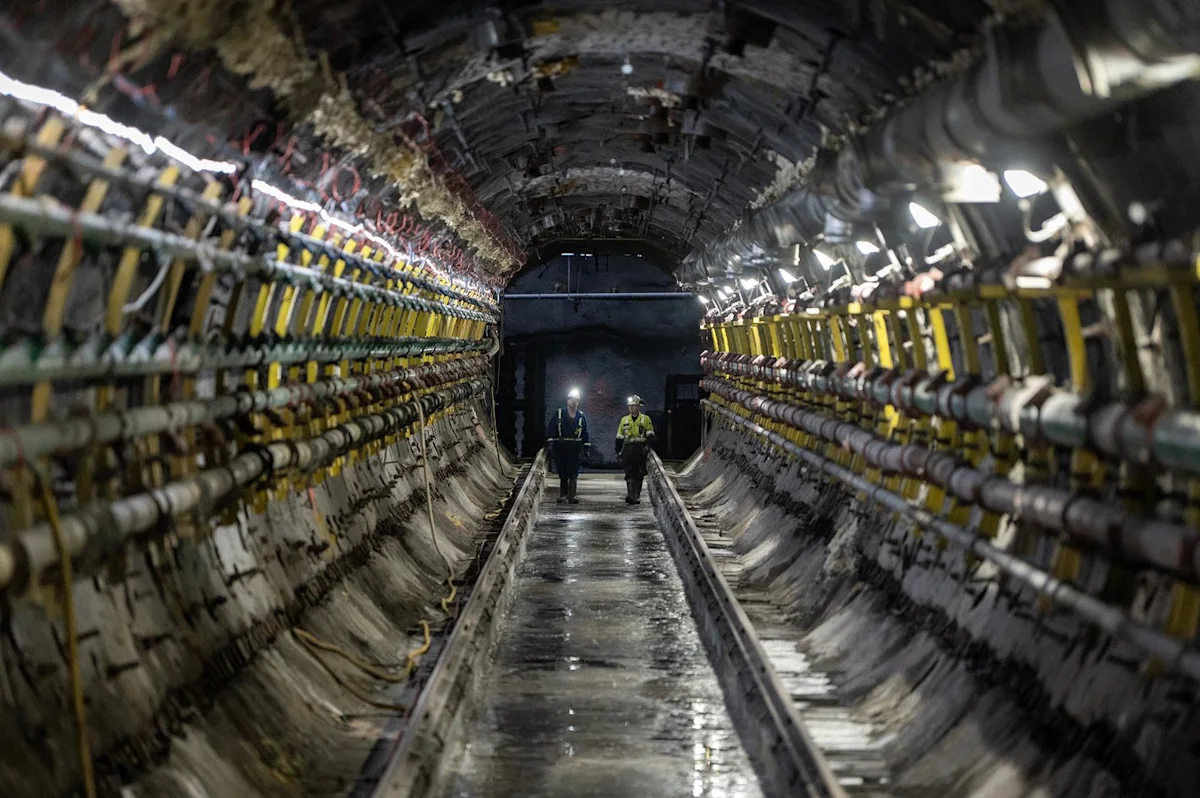
Cameco employees walk down a tunnel to a Jet Boring System (JBS) machine during a media tour of Cameco’s Cigar Lake uranium mine in Cigar Lake, Sask., Monday, June 15,…


 dailynewsnblog