dailynewsnblog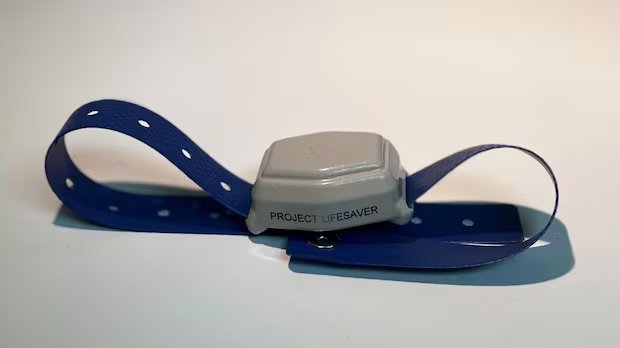

Listen to this article
Estimated 4 minutes
The audio version of this article is generated by AI-based technology. Mispronunciations can occur. We are working with our partners to continually review and improve the results.
A Nova Scotia ground search and rescue organization says a program that utilizes an electronic bracelet to locate vulnerable missing people helped them find an elderly man who wandered away from his home last weekend.
In a Facebook post recounting the July 5 incident, Annapolis County Ground Search and Rescue said its team picked up a signal from the senior’s Project Lifesaver bracelet when they reached the area on North Mountain in the Annapolis Valley.
“After bushwhacking through the unforgiving terrain and vegetation for an hour, [we] located him alive and well, and delivered him back home,” the post read.
The Project Lifesaver Association of Nova Scotia introduced its transmitters to the province in 2010 to help protect people living with cognitive disorders who are prone to wandering.
While the Project Lifesaver program began in the U.S. in 1999, it was brought to Nova Scotia after James Delorey of South Bar, Cape Breton, wandered from home in December 2009. The seven-year-old autistic boy was found two days later, unconscious and suffering from severe hypothermia, only about a kilometre from his home. He died in hospital the next morning.

Jeff Tarkka, the Annapolis County team’s search director, was involved with the search on North Mountain.
He told CBC News that while there aren’t many people in his area enrolled in the Project Lifesaver program, he believes every search they’ve conducted for a missing person wearing the bracelet has ended successfully.
“It’s pretty emotional for us. It’s a very feel-good moment when we can go in and just escort them back home,” he said.
The bracelet emits a radio signal once per second and search teams are able to pick it up on their radio receivers.
“When we get a signal of a certain strength or our instinct says we’re getting close, then we would jump out and do a detailed sweep [and] direction find and then walk right to the subject,” Tarkka said.
“In the case of this last client, we drove in and we had the signal before we got to the house.”
High demand for program
Whitney Hughes, operations manager for the Project Lifesaver Association of Nova Scotia, told CBC News the program has about 215 clients.
“Right now there is actually quite a high demand … it is a good program and it has really good results,” she said in an interview Thursday.
Hughes said she was pleased to hear the technology had helped find the Annapolis Valley man.
“These teams that work with our equipment are just incredibly good at what they do and it’s quite common that when we have a client that goes missing, that they are located within 30 minutes on scene,” she said.
Applications for prospective clients can be accessed on the association’s website. The initial enrolment fee of $400 covers the lease of the device and a monthly $30 charge pays for transmitter maintenance.
How families can get support
Hughes said many families receive funding support through Nova Scotia’s Department of Opportunities and Social Development to pay for the device.
“We also have many clients who don’t qualify for any kind of support and still have to pay out of pocket, and so I help them connect with organizations in Canada or even Nova Scotia that will help a little bit with the funding,” she said.
She said some clients have been able to get financial support through local service clubs, resource centres or community groups.
MORE TOP STORIES