dailynewsnblog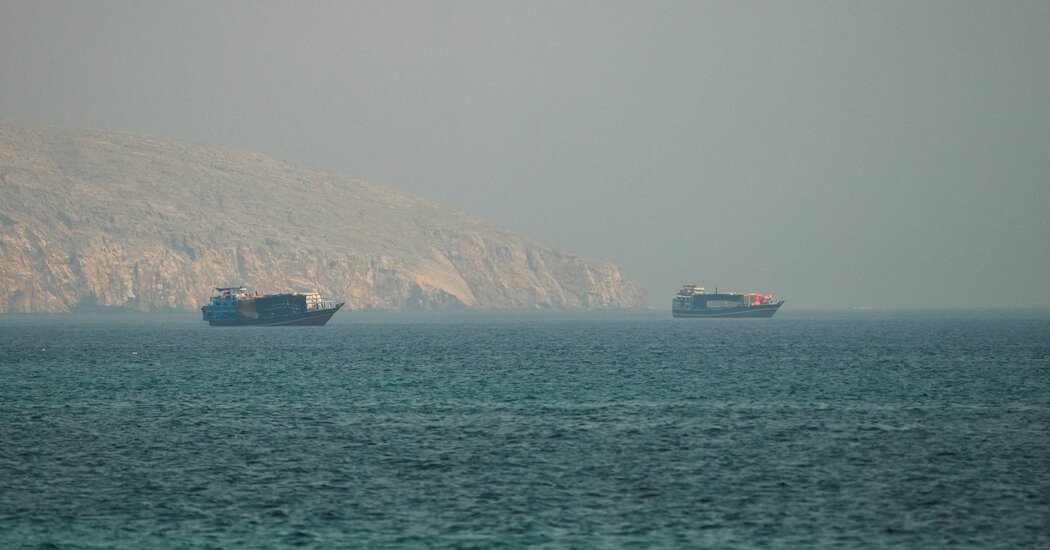
Regional mediators were scrambling again on Friday to pull the United States and Iran back from the brink of renewed war, as days of strikes by the two countries appeared to settle into an uneasy pause.
Qatar, which helped broker the U.S.-Iran truce last month, has been in talks with Washington and Tehran to de-escalate the crisis, according to two officials with knowledge of the matter, who requested anonymity to discuss sensitive diplomacy. In recent days, several other regional countries — Bahrain, Kuwait and Jordan, all of which host U.S. military facilities — said they had come under Iranian attack.
The recent strikes have all but shattered the truce and followed a now familiar pattern of hostilities: attacks blamed on Iran against commercial ships in the Strait of Hormuz, followed by American retaliation, Iranian counterattacks and then a return to fragile stalemate.
Even as the fighting appeared to subside on Friday, it remained unclear whether the latest mediation efforts could prevent that cycle from repeating. It has become a dangerous test of wills, with each side trying to show that it can absorb the other’s attacks and respond forcefully, without tipping the conflict back into full-scale war.
Iran threatened on Thursday to expand its attacks to other U.S. military facilities in the region, if American attacks continue. A day earlier, President Trump said he thought the cease-fire was “over,” even as he suggested that negotiations to reach a lasting settlement would continue.
At the center of the crisis is the Strait of Hormuz, one of the world’s most important energy corridors. The United States has accused Iran of targeting commercial vessels in the waterway, while Tehran has insisted that marine traffic adhere to a designated route through Iran’s territorial waters. The dispute has turned partly on the wording of the truce, which called on Iran to help arrange safe commercial passage through the strait, while leaving unclear exactly how.
The U.S. military said on Thursday that it had struck more than 170 targets in Iran during the previous 48 hours, a significant increase compared with earlier flare-ups during the cease-fire. The strikes were focused on military targets on the Iranian coast and were intended to degrade Iran’s ability to threaten commercial shipping in the strait, the military said.
The two days of attacks — which came during funeral ceremonies for Ayatollah Ali Khamenei, the supreme leader killed in U.S.-Israeli strikes on Feb. 28 — killed 14 people and injured 78 others, according to Iran’s health ministry, which did not give details about the victims.