dailynewsnblog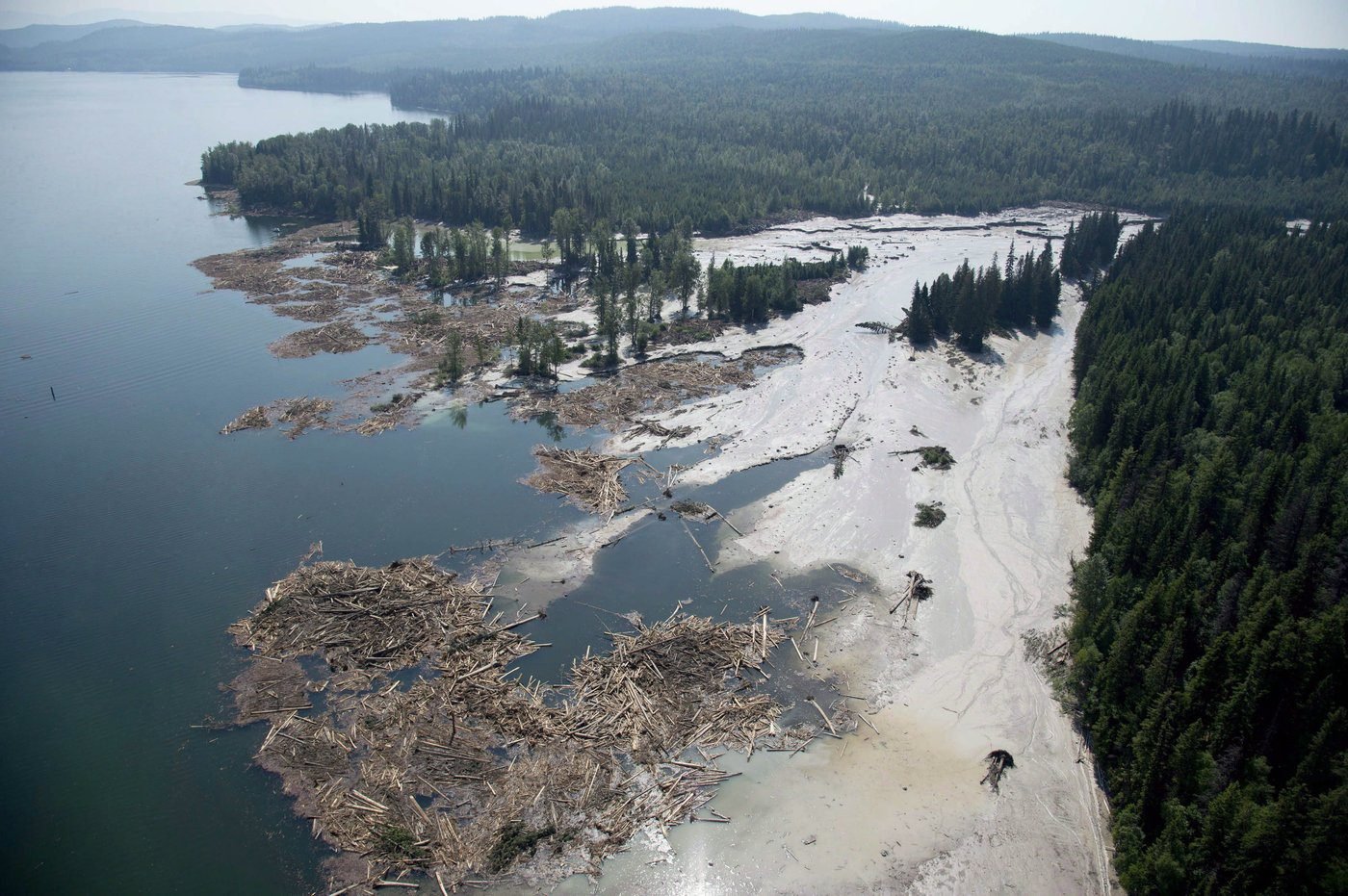
VICTORIA — Ministers in British Columbia have approved plans to increase the height of the tailings storage facility at the Mount Polley copper and gold mine, the site of a catastrophic dam collapse more than a decade ago.
The government says the height increase, which had been subject to a court challenge, is part of an expansion of the mine that will allow production to continue until 2033, protecting 430 jobs.
The plan, approved by Environment Minister Tamara Davidson and Mining Minister Jagrup Brar, will allow the mine to raise the height of the tailings storage facility by 13 metres, bringing the dam height to 77 metres.
A statement from the Environmental Assessment Office says the ministers agreed that the proposed changes are not likely to result in significant new impacts compared with the existing approved operations.
A similar storage site at the mine in B.C.’s Cariboo region collapsed in August 2014, spilling about 25 million cubic metres of water and tailings into nearby waterways in one of the worst environmental disasters in the province’s history.
A B.C. Supreme Court judge dismissed efforts last year by the Xat’sull First Nation to put a stop to plans to increase the level of the dam by four metres after the nation unsuccessfully argued that it had not been properly consulted.
The plans still need the appropriate permit amendments to be approved under the Mines Act.
The government statement says the overall mine area for Mount Polley remains unchanged, but raising the dam will increase the footprint of the tailings storage facility by approximately 28 hectares.
In their reasons for the decision, the ministers acknowledge that the Xat’sull First Nation has appealed the court decision and “remains concerned about the use of this process while the appeal is ongoing.”
They say the First Nation views the process as “inadequate and inconsistent with the United Nations Declaration on the Rights of Indigenous Peoples.”
Davidson and Brar write that they are satisfied that regulatory mechanisms provide appropriate oversight to respond to issues raised by the nation around potential effects on water quality, aquatic health, fish and fish habitat, and closure and reclamation.
This report by The Canadian Press was first published July 9, 2026.
The Canadian Press