dailynewsnblog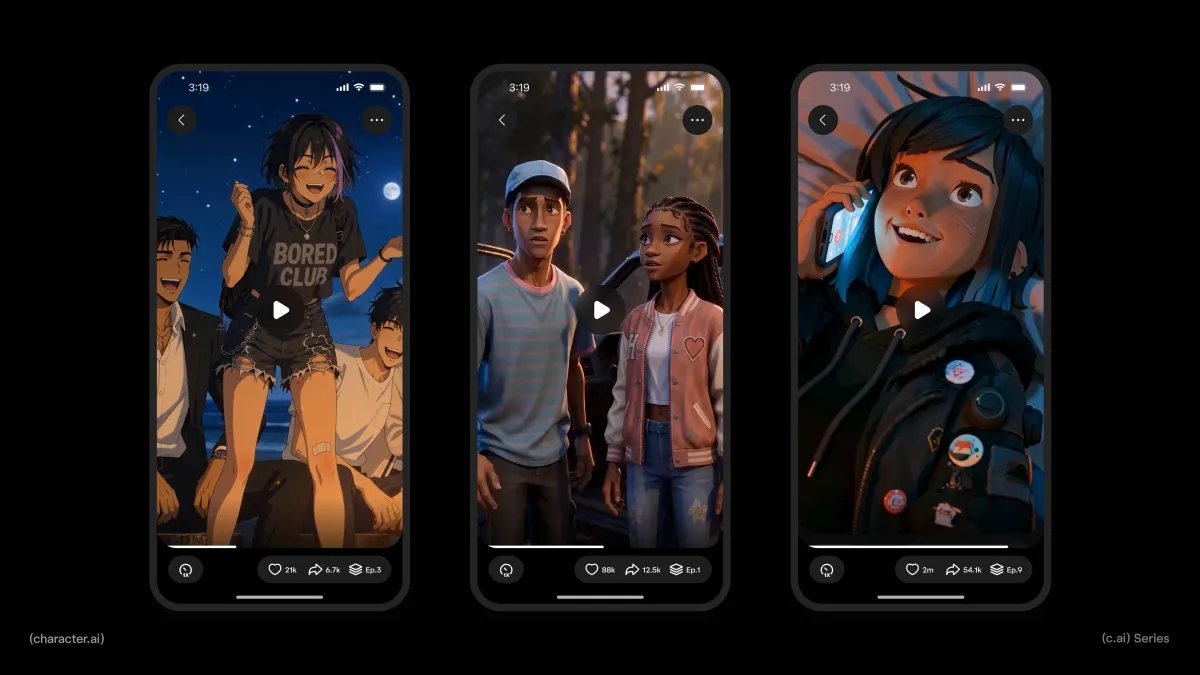
Microdramas are such a rage these days that nearly every kind of company in the attention economy space — be they dedicated microdrama apps, social media giants (TikTok and Instagram) or streaming services (Peacock, Amazon Prime and India’s JioHotstar) — is building a product to tap the opportunity.
Character.AI, which lets people chat with customized AI avatars, is also tapping this budding market by producing its own microdramas using AI characters. But there’s an interesting twist that takes advantage of the company’s core product: Users older than 18 can chat with these shows’ characters, ask them questions, and even roleplay different storylines.
The startup is launching three microdramas to start with: a romance series dubbed “Last Summer,” a horror show titled, “The Nighttime Game,” and a Hunger Games-like survival microdrama called “Eden Fall.”
Character.AI says these dramas were created using AI production tools, and in the long term, it aims to help users create their own characters and series.
“Starting with a studio-led model, c.ai Series lets our production team develop the format, refine the workflow, and understand what audiences want from Character-native Microdrama entertainment. Over time, the goal is to turn those learnings and workflows into creator tools, enabling users to make their own series from original Characters and share them with a global audience,” a company spokesperson told TechCrunch.
This is the latest in a slew of recent features from the startup following its shift towards entertainment-focused features last year. In April, it teased a tool called Lorebook that users can employ to create world-building information that characters can reference, and launched another feature called Books that lets users insert themselves into select classic literature titles, or role-play as characters from them.
The company said on Thursday that it is also testing a feature, dubbed c.ai FM, that will let users put together audio series, and another that lets you create fiction, called c.ai Reads. The audio series feature is currently available to select users under its experimental c.ai Labs program, which the company says professional writers are using to create serialized audio dramas.
There’s certainly an audience for this form of entertainment. Users spend more than 950 minutes on Character.AI each month in the first half of 2026, according to Sensor Tower.
When you purchase through links in our articles, we may earn a small commission. This doesn’t affect our editorial independence.