dailynewsnblog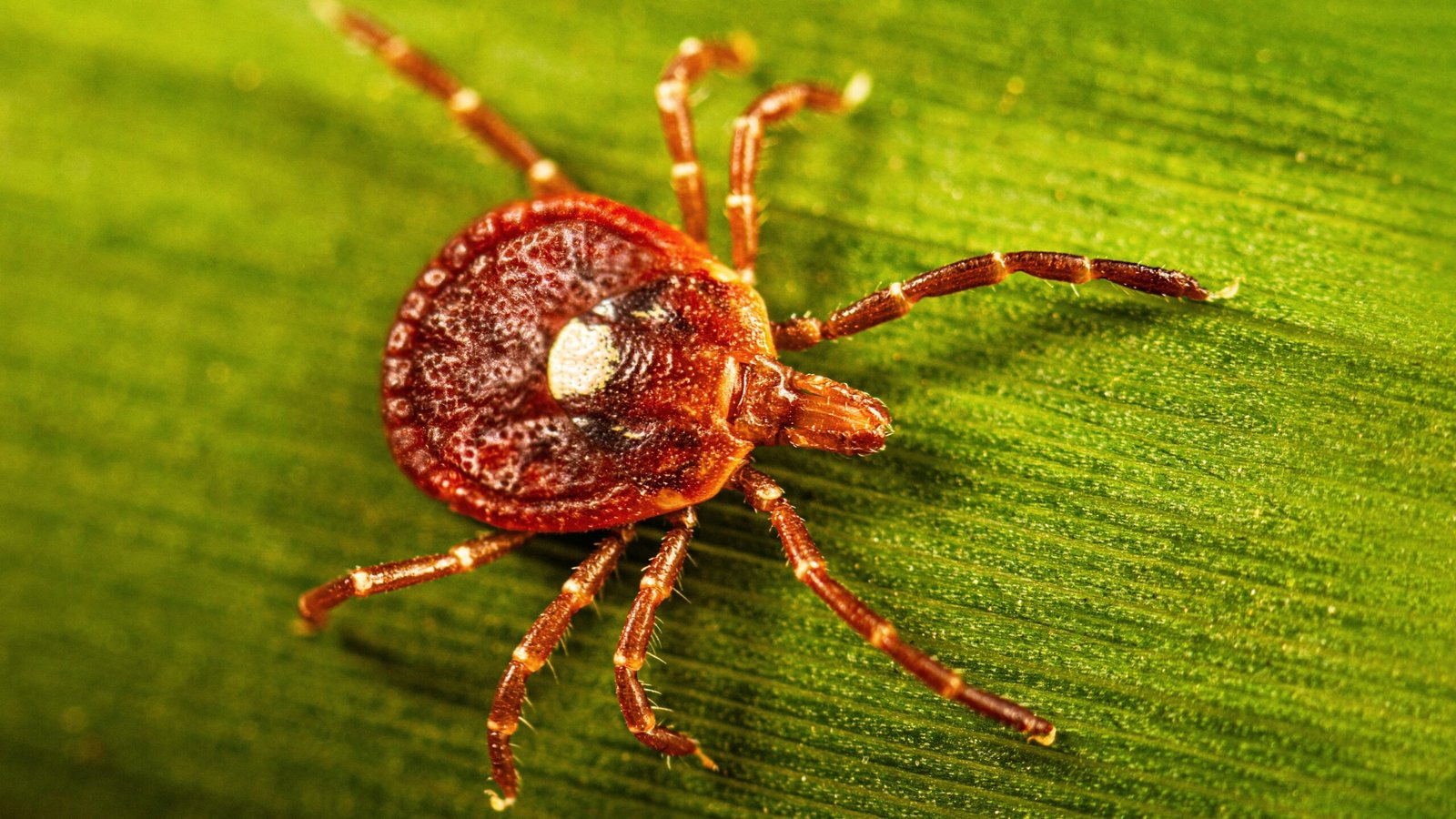
In some parts of the US, up to 30 percent of people may carry the antibody behind a red meat allergy spurred by tick bites, far exceeding the estimated number of people who actually have the allergy, according a study published in Morbidity and Mortality Weekly Report.
The findings suggest far more Americans than previously thought may be at risk of the allergy, which can make having a hamburger for dinner a potentially life-threatening choice. The Centers for Disease Control and Prevention has previously estimated that only 0.14 percent of the US population (up to 450,000 people) has the allergy. But the study also highlights how little we understand about this unique disease—and the challenges of accurately diagnosing it.
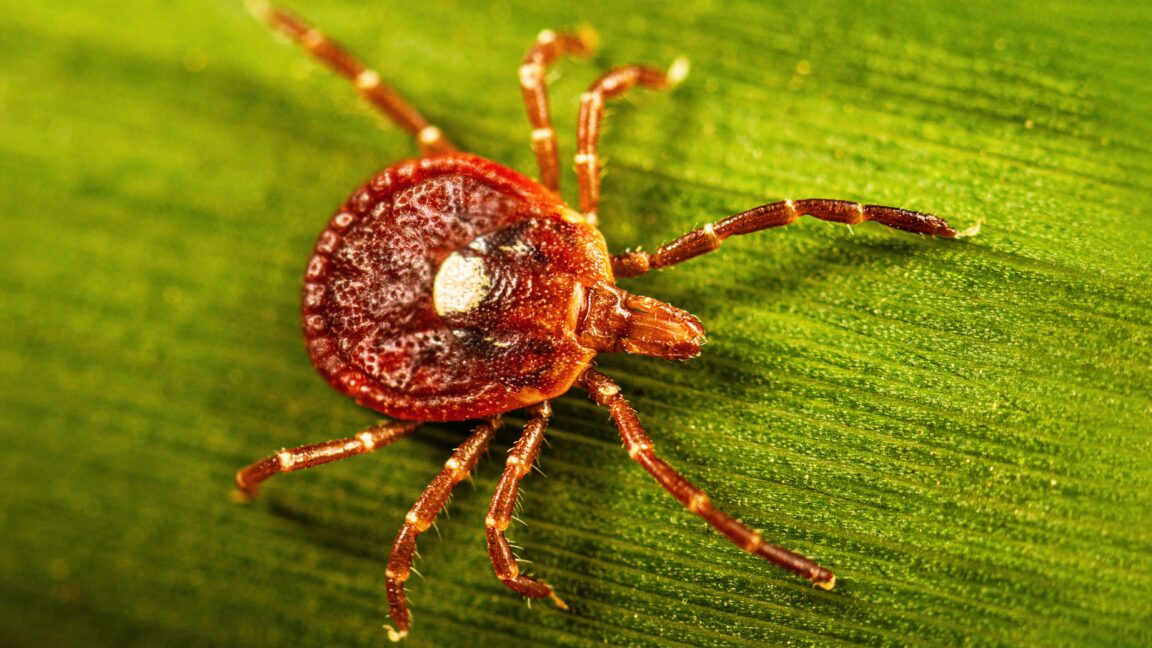
The study surveyed blood donations for the disease’s key antibody, which is in a class dubbed IgE and specifically attacks a double-sugar molecule called galactose-α-1,3-galactose, also known as alpha-gal. This disaccharide is found decorating the cells of nonprimate mammals, including cows and pigs, but it’s also released in the saliva of ticks, particularly the lone star tick (Amblyomma americanum). People bitten by ticks can develop IgE antibodies against alpha-gal, which can sometimes trigger an allergic response to eating red meat as well as other animal products, such as dairy and gelatin.
The allergy, called alpha-gal syndrome, is notorious for its delayed onset, flaring between two and six hours after a meal—making it difficult for people to connect the reaction to food. Symptoms can include hives, nausea, vomiting, abdominal cramps, diarrhea, and/or signs of a severe allergic response called anaphylaxis, which can be marked by trouble breathing, throat tightening, swelling tongue or lips, dizziness, weak pulse, and a drop in blood pressure.