dailynewsnblog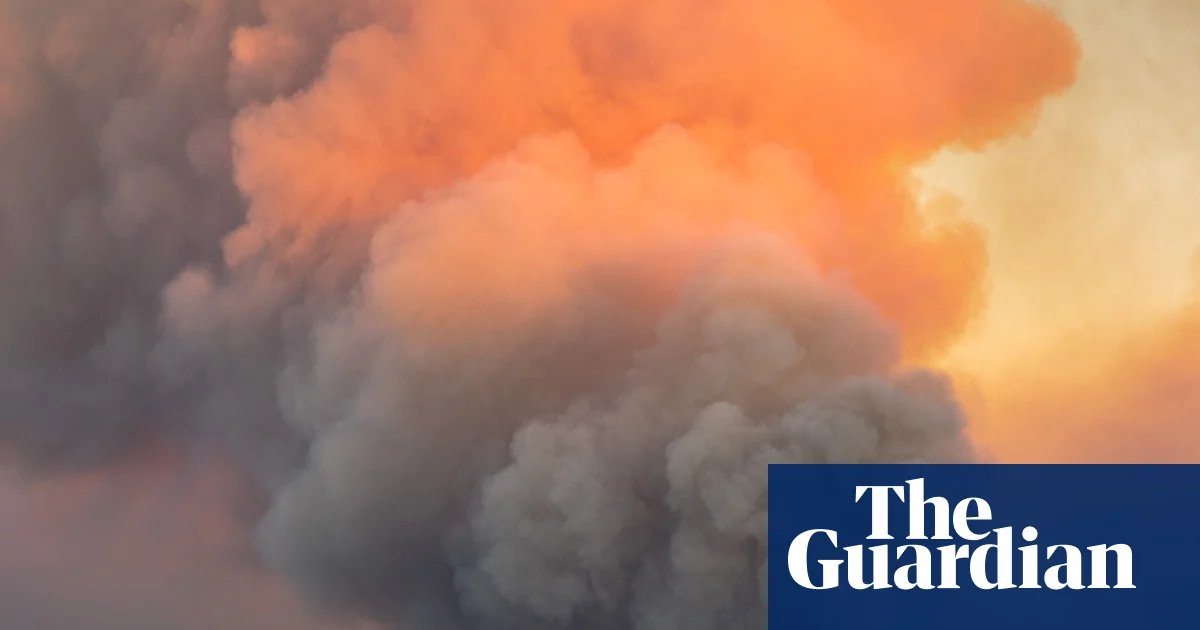
When storm after storm battered the Mediterranean at the start of the year, drowning fields and sending water spurting from plug sockets, few people were fretting about fires.
But just four months later, the murky brown floods that swamped towns and fouled homes across western Europe have given way to angry red blazes and choking black smoke. Rampant wildfires burned 28,000 hectares (69,160 acres) in France and 50,000 hectares in Spain as of 1 July, more than double the average for that time of year, and more land has been charred by bigger fires in the week since.
Scientists have found the record-breaking heat that scorched Europe in June would have been “virtually impossible” if the climate had not been warped by burning fossil fuels, with daytime highs 10 times more likely than just two decades ago, and nighttime lows 100 times more likely. Now, they are wondering if the early rains, too, contributed to the fires.
“If a period of active vegetation growth is followed by a period of drought and heat, vegetation becomes stressed and transforms into flammable wildfire fuel,” said Julia Miller, a climate scientist at the WSL Institute for Snow and Avalanche Research SLF, and lead author of a recent study on compounding wildfire risks.
In Spain, the hot start to the summer was preceded by a rain-heavy winter and spring that helped plants grow. Much of the country saw surface soil moisture above the seasonal average from March to May, data from Copernicus shows, as well as unusually high river flow driven by an “exceptionally wet winter” in the Iberian peninsula.
But when a freak heatwave hit western Europe in late May, followed by an even more punishing one at the end of June, the extra vegetation dried up fast. Scientists have cited the combination of a wet spring and hot summer as a factor in Spain’s record-breaking wildfire season last year, finding that high vegetation water content – which at first reduced fire potential – was lost during long heatwaves, leaving behind an extensive fuel surplus.
“In most parts of Europe, there is enough vegetation to burn,” said Miller. “The critical question is when that vegetation becomes dry enough to burn.”
Climate breakdown can worsen weather extremes in unexpected ways. Long periods of dry weather can make torrential downpours more likely to result in flash floods, as water runs off hard soils instead of soaking into it, while hot weather lets heavy rain pack more punch as warm air can hold more moisture.
after newsletter promotion
Wet conditions in March and April were not universal – France and western Spain saw dry springs after winter downpours – but firefighters are still troubled by the amount of fuel that can burn when heatwaves hit. Southern Europe has suffered from increasingly overgrown vegetation as its rural villages have hollowed out, with young people moving to cities for work and abandoning farmland.
Last year, the European Academies Science Advisory Council criticised EU fire policies for a disproportionate focus on suppressing blazes after they had broken out, instead of avoiding the conditions that let fires run wild. They called for greater efforts to stop the planet from heating and better landscape planning to manage land.
“Climate itself cannot provoke fires if there is no plant fuel, so fuel availability driven by absence of land management is a critical factor underlying extreme fires,” said Fernando Pulido Díaz, a fire prevention scientist at the University of Extremadura, and co-author of the report. “The issue has been debated in many forums, but there is a general lack of practical implementation beyond pilot projects led by local communities.”
Europe is increasingly paying the costs of a hotter world it has failed to prepare for. On Tuesday, the European parliament voted to release €120.55m (£103m) from its solidarity fund to help Spain recover from destructive heatwaves and wildfires last year, with a further €23.55m approved for Romania and Cyprus. The European Commission, which scrambled firefighters and water-bearing planes to help France and Portugal on Monday, said it has deployed a record number of firefighters to combat wildfires this year.
Fossil fuel pollution and the destruction of nature has heated Europe about twice as fast as the global average. In February, the EU’s science advisers warned that efforts to adapt to a hotter planet were insufficient, incremental and often coming too late. They recommended preparing for 3C of global heating even as they urged greater efforts to meet the 1.5C target of the Paris climate agreement.
“I see wildfires breaking records in Europe almost every year,” said Miller. “Wildfire preparedness and management is becoming increasingly important, but at the same time, we need to reduce greenhouse gas emissions to address the root cause of the emerging wildfire crisis.”