dailynewsnblog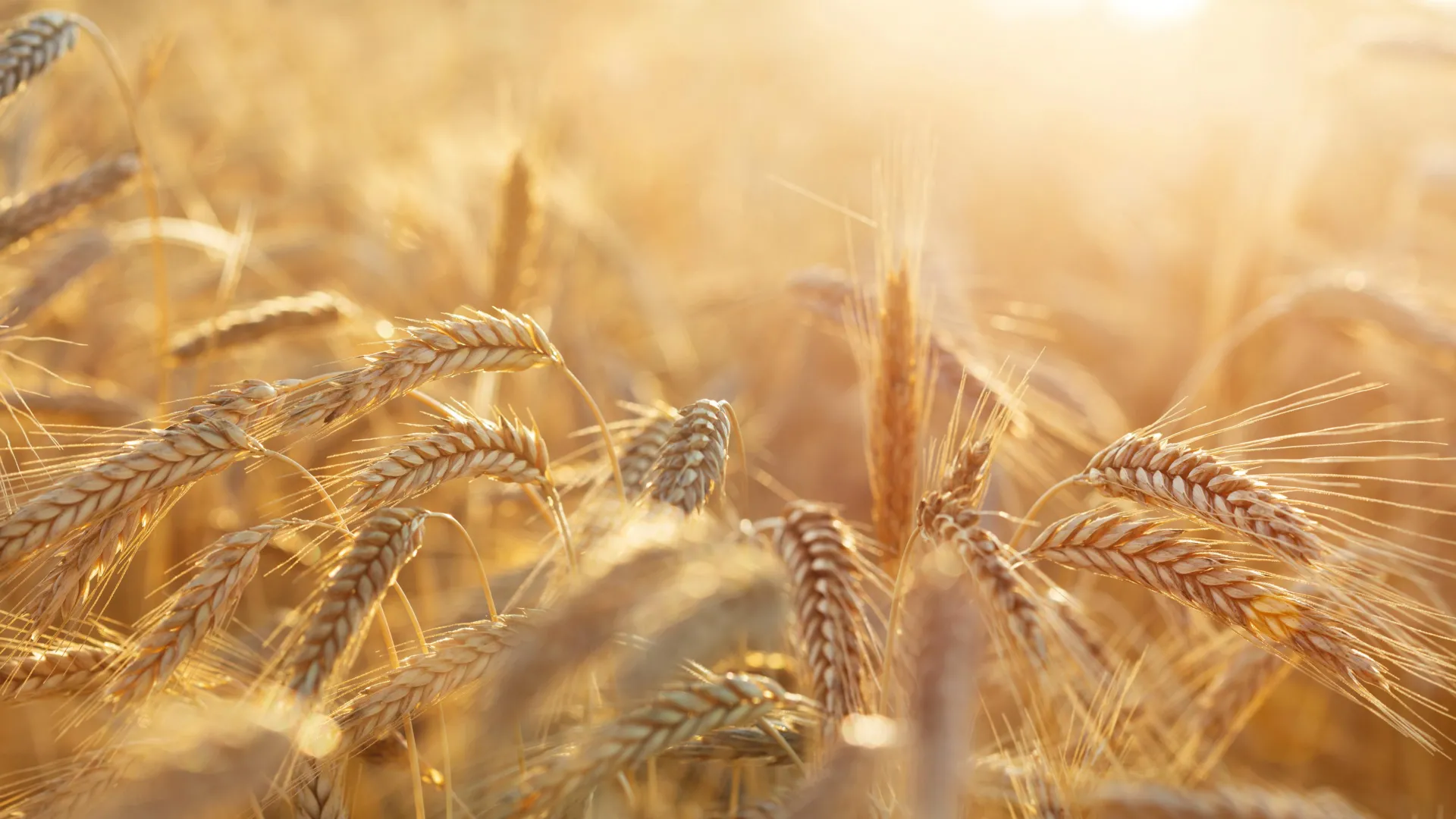
Nearly 30 years ago, researchers discovered two unusual molecules in rye pollen that appeared to slow tumor growth in animal studies. Despite the promising findings, the research reached a dead end because scientists could not determine the molecules’ exact three dimensional structures.
Now, chemists at Northwestern University have solved that long standing mystery. By constructing the molecules from scratch in the laboratory, they confirmed the precise structures of secalosides A and B for the first time.
With an accurate molecular blueprint available, researchers can now investigate how these compounds from rye pollen, which comes from a cereal crop widely grown for its grain, interact with the immune system. That knowledge could eventually help guide the development of new approaches to cancer treatment.
The findings were published in the Journal of the American Chemical Society.
“In preliminary studies, other researchers found that rye pollen could help different animal models clear tumors through some unknown, non-toxic mechanism,” said Northwestern’s Karl A. Scheidt, who led the study. “Now that we confirmed the structure of these molecules, we can find the active ingredient — or what part of the molecule is doing the work. This is an exciting starting point to make better versions of these molecules that could possibly inform approaches to cancer therapy.”
Scheidt is a professor of chemistry at Northwestern’s Weinberg College of Arts and Sciences and a professor of pharmacology (by courtesy) at Northwestern University Feinberg School of Medicine. He also is a member of the Chemistry of Life Processes Institute and of the Robert H. Lurie Comprehensive Cancer Center of Northwestern University.
Nature’s Role in Drug Discovery
Many important medicines have their roots in nature. Scientists have long studied plants, fungi, and microbes for compounds that can inspire new treatments.
Morphine, a powerful pain medication, comes from the opium poppy. Taxol, an important chemotherapy drug, was first isolated from the Pacific yew tree. Statins, which help lower cholesterol and reduce the risk of heart disease, originated from fungi.
“Natural products aren’t necessarily effective drugs on their own, but they are great leads,” Scheidt said. “We can find inspiration in natural products and use chemistry to make better versions that are orally available, survive the metabolism and hit the right targets.”
Rye pollen could eventually join that list. Rye pollen extract is already sold as a dietary supplement that many people use to support prostate health. However, scientists have not yet developed it into a pharmaceutical treatment. A major obstacle was the lack of a clear picture of the molecules’ three dimensional structures.
Solving a Decades Long Molecular Puzzle
Traditional techniques, including advanced nuclear magnetic resonance spectroscopy, could not fully determine how key parts of the molecules were arranged. As a result, scientists spent decades debating between two possible structural models.
Both versions contained the same atoms connected in the same way and shared the same overall shape. The difference was that one critical region existed as a mirror image in each model. Even that subtle variation can dramatically affect how a molecule interacts with biological targets and whether it produces a biological effect.
“It’s like your hands,” Scheidt said. “They are mirror images of each other, but you need a different glove for each. If you had two left-handed gloves, it wouldn’t work because your hands can’t be superimposed on top of one another.”
Building the Molecules From Scratch
To resolve the uncertainty, the Northwestern team relied on total synthesis, a process in which researchers build a natural molecule step by step in the laboratory.
The work proved exceptionally difficult because secalosides A and B contain an extremely rare, highly strained 10 membered ring at their core. That tightly compressed structure is notoriously challenging to assemble.
The researchers overcame the problem by first creating a larger, more flexible ring. They then triggered a chemical reaction that converted it into the smaller strained ring in a single step.
After producing both proposed versions of the molecules, the team compared them with samples extracted from rye pollen. Only one matched perfectly, allowing the researchers to definitively identify the correct structures.
“We’ve demonstrated we can make the core of this natural product,” Scheidt said. “Now, we’re trying to find potential collaborators in immunology who could help us translate this to a possible clinical endpoint.”
The study, “Synthesis and structural confirmation of secalosides A and B,” was supported by the National Institute of General Medical Science, the Chemistry of Life Processes Institute Lambert Fellowship and the National Science Foundation.