dailynewsnblog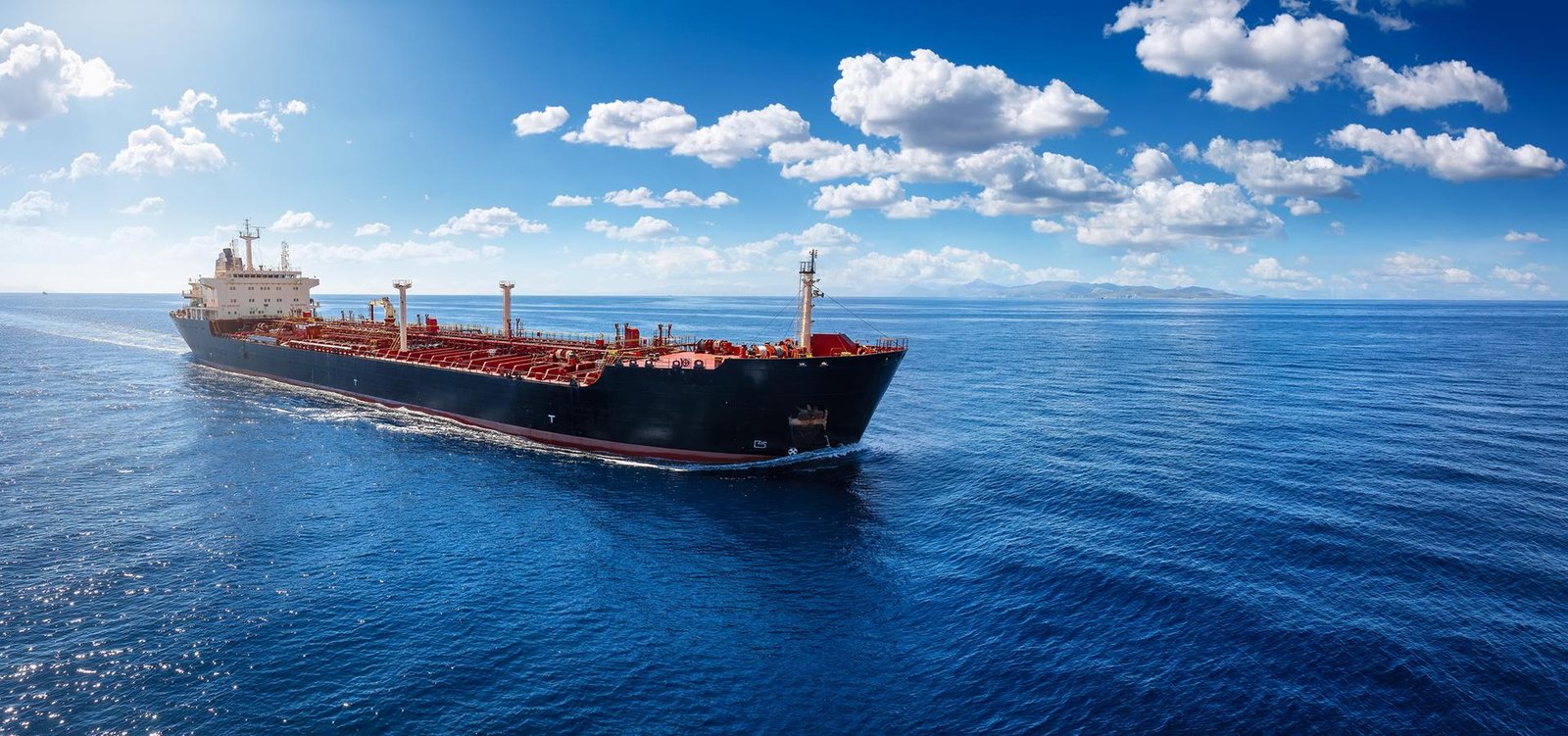
After the war in the Middle East began, futures markets hinted at how long oil prices could stay above their pre-war levels. Options on those futures further reveal how investors see the range and balance of risks around future oil prices—which helps central banks assess risks to inflation.
The war in the Middle East and the related closure of the Strait of Hormuz disrupted the global supply of oil. Consumers quickly noticed the resulting higher prices for gasoline.
Just as quickly, two questions emerged:
- How long would oil prices stay elevated?
- How big was the risk that oil prices could rise further?
Oil futures markets help answer the first question by showing where investors think oil prices are headed. Options markets for oil futures help answer the second question. They do this by uncovering how investors see the range of plausible outcomes for future oil prices and whether the distribution is skewed toward higher or lower prices.
Oil prices are a key driver of inflation, so understanding where they might be going—and the risks around this future path—is important for monetary policy. This is particularly the case when geopolitical tensions make the inflation outlook more uncertain than usual.
Options enrich the information provided by oil futures
A futures contract is an agreement to buy or sell assets—like barrels of oil—at a predetermined price on a specific date in the future. The price of oil futures at a particular horizon, such as one month or one year from now, reflects a mix of:
- investors’ expectations of the price of oil at that horizon
- a risk premium—the additional compensation investors demand against extreme events like recessions or geopolitical conflicts
Investors can purchase options on these futures as financial insurance to hedge against events they are most concerned about. Options grant the right, but not the obligation, to buy or sell futures at a set price over a specific horizon. For example, investors concerned about a price spike can buy a call option. Unlike a futures contract, which locks in a price, a call option secures a fixed purchase price while still allowing an investor to avoid financial loss if futures prices fall. Conversely, investors concerned about a crash can buy a put option to guarantee a fixed selling price without giving up potential gains from higher prices.
In this sense, futures represent investors’ base-case projection for oil prices, and options map out the expected risk scenarios around that outcome.
The options market is therefore a rich source of information for policy-makers and investors alike. By observing whether investors are motivated to buy protection across various prices and horizons, we can quantify the range of outcomes investors are concerned about and see whether risks appear to be balanced.
Upside risks to oil prices surged at the onset of the war in the Middle East
The war in the Middle East offers a good example of how options markets can provide additional insight into the risks around future oil prices during an oil supply shock.
Following the start of the conflict in late February 2026, options prices suggested that investors were concerned that oil prices would spike by more than they did. This concern was more concentrated in the very near term (one month out) and eased as time passed.
In the weeks after oil tankers largely stopped passing through the Strait of Hormuz, investors’ short-term expectations regarding future oil prices changed significantly (Chart 1).
- The mean, or average, expected price per barrel for Brent oil rose from about US$73 on February 27—one day before the war started—to US$115 on May 4, when one-month futures prices reached two-year highs. This increase reflects the fact that the global supply of oil was greatly reduced while global demand stayed steady.
- The variance, or dispersion, of one-month futures prices around the average widened considerably: the gap between the 10th and 90th percentiles more than doubled from US$30 on February 27 to US$70 on May 4. This widening reflects increased uncertainty in markets about the range of possible future oil prices and how long it would take for oil shipments through the strait to return to normal.
- The skewness of the distribution, or its asymmetry, became significantly positive as investors were willing to pay high prices to protect against potentially higher oil prices in the near future.
However, the distribution shifted again a few weeks after the peak. By late June, the one-month distribution looked closer to its shape from before the closure of the strait, suggesting that the extreme uncertainty around oil prices had mostly eased.