dailynewsnblog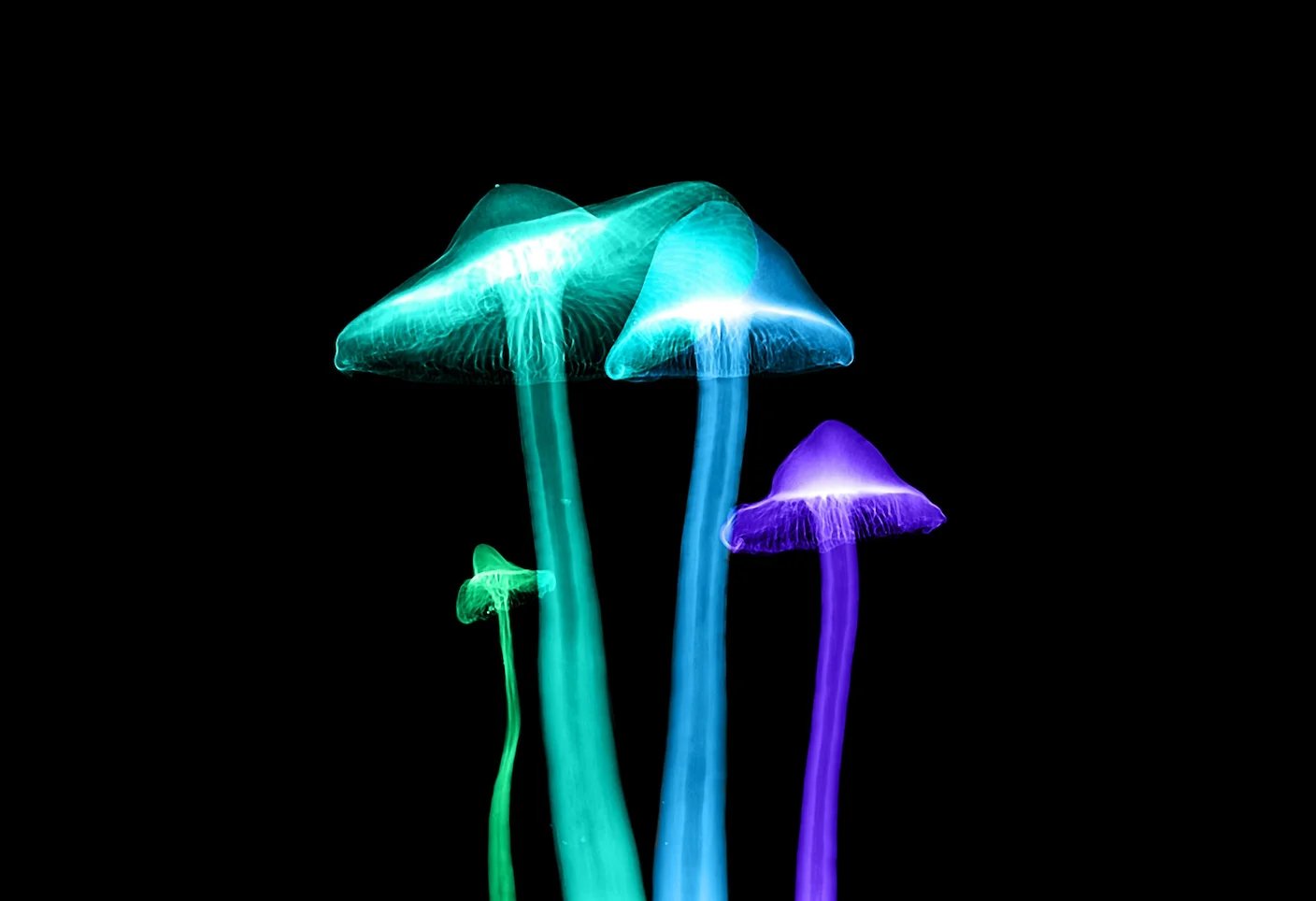
For five years, Alzheimer’s slowly stripped away a Japanese-American woman’s ability to speak more than one syllable at a time. The woman, now in her 80s, was diagnosed roughly a decade ago, and her condition steadily worsened. She struggled to walk and recognize family members.
Then, under medical supervision, she took a large dose of mushrooms containing the psychedelic psilocybin. Within three days, her symptoms had improved. She began spontaneously recounting memories and initiating conversations in full sentences. Her alertness returned, and she could move around independently.
A week later, she was recognizing family members, asking where they were, and pointing out cars that seem out of place.
Psilocybin has been maligned for decades. But renewed interest in its unique effects on the brain has pushed it into mainstream research. Early studies suggest it may help treat depression, anxiety, addiction, post-traumatic stress disorder, and other psychiatric conditions. A clinical trial is underway to gauge whether it can protect the aging brain.
The case study, conducted in Brazil, adds to that momentum. The team emphasizes that it describes a single patient and is purely observational. Because of the severity of her disease, they could not perform brain scans, measure biomarkers, or conduct standard cognitive tests. Exactly why her symptoms improved remains unknown.
Even so, they propose that psilocybin may have temporarily unlocked brain function in late-stage Alzheimer’s, potentially allowing dormant neural networks to rewire.
Brain Under Fire
Alzheimer’s is often synonymous with memory loss. Sadly, symptoms range far beyond forgetting names or misplacing glasses.
As the disease progresses, people gradually struggle to find the right words or follow conversations. Their ability to tackle everyday tasks—cooking, managing finances, planning ahead—erodes. Depression, irritability, and anxiety often emerge. Over time, their personalities flatten, leaving them less outgoing, engaged, or empathetic.
These stories are far too common. According to the World Health Organization, roughly 57 million people worldwide were living with dementia in 2021. Alzheimer’s may account for up to 70 percent of cases. As populations age, that number is expected to climb.
Alzheimer’s has no single cause. Genetics likely play a role. Some gene variants are linked to early-onset forms of the disease, an area scientists are now tackling with gene therapy.
Another hallmark of the disease is a buildup of abnormal protein clumps, or plaques, in and around neurons, which disrupts normal function and wrecks their ability to form neural networks supporting memory and cognition. Years of efforts to remove plaques have largely failed, though the FDA recently approved two antibodies that reduce them and modestly slow cognitive decline.
Then there’s inflammation. In Alzheimer’s, the brain’s immune system can become overactive. Rather than responding only to damage, inflammation drives disease progression, spreading toxic protein clumps through the brain and further damaging its ability to form new connections.
Here’s where psilocybin, the active ingredient in magic mushrooms, may help. Psilocybin alters serotonin signaling, a brain chemical involved in mood, perception, and cognition. But its effects likely extend far beyond that.
Studies in mice suggest the chemical boosts the brain’s ability to rewire, a process known as neuroplasticity. Human brain imaging studies have found that the psychedelic temporarily reorganizes communication between large brain networks, changing how distant regions interact. In some participants, supervised treatment has been linked to greater cognitive flexibility, deeper self-reflection, and improved well-being.
Other studies hint at a protective role. Psilocybin triggers the release of “nurturing” proteins. This process helps neurons survive stress and extend their branching connections. It’s these delicate structures that build up neural networks, and they wither away during depression, aging, and dementia. Inside the hippocampus, a region crucial for learning and memory, the drug stimulates the birth of new neurons, at least in mice.
Given its positive effects on brain plasticity, psilocybin is now being tested in multiple psychiatric disorders characterized by unusually rigid patterns of brain activity. Older adults remain largely absent from these studies, even though they could benefit the most.
Tale of One
Before treatment, the woman struggled with everyday life. For five years, she could communicate using only single-syllable words. Her mobility was severely limited, and she struggled with incontinence.
With the consent of her caretaker, she received five grams of the Enigma strain of Psilocybe cubensis. Because psilocybin levels vary widely between mushrooms, the exact dose is unknown. But compared to other clinical trials, it was relatively high.
The team chose the dose “based on prior experiential observations regarding depth and duration of psychedelic-induced neurobehavioral effects,” wrote the team.
Initially, the woman fell into a deep sleep-like state accompanied by elevated body temperature and heavy sweating. Roughly 19 hours later, she suddenly awoke and began speaking to caregivers in complete sentences, recounting memories from her life. The conversation lasted around four hours.
Over the following days, she became increasingly alert and engaged. She recognized family members, regained mobility, and could pick out matching clothes to dress herself. A week later, she was noticing small details in her environment, including a rental car parked outside the house. When a family member was absent, she asked, “Where did Celso go?” She also seemed to rediscover her love of social interactions, making eye contact, smiling back, and actively starting conversations.
A month after the initial session, she returned for a second supervised dose of three grams. After the second dose, she became even more verbally expressive, displayed a sense of humor, and described memories of surfing with her son on a peaceful island. Throughout the trial, the drug alleviated incontinence and improved her quality of life.
The results come with major caveats. The improvements were observational and largely reported by caregivers, leaving room for bias. The team didn’t administer standardized tests for cognition, dementia, depression, and anxiety. Nor did they perform brain scans or monitor sleep, making it impossible to determine what brain changes were behind her apparent “awakening.”
“Causality cannot be established, and spontaneous fluctuations inherent to neurodegenerative disease cannot be completely excluded,” they wrote.
But the study touches on a provocative idea in Alzheimer’s: Cognitive reserve. The theory proposes some people can tolerate greater levels of harm to the brain and continue functioning despite significant damage. Psilocybin may have temporarily tapped into these reserves, allowing dormant neural circuits to engage and rewire to compensate for impaired ones. The hypothesis is highly speculative and needs to be rigorously tested.
Meanwhile, a clinical trial is investigating whether psilocybin can reduce depression and improve quality of life in people with mild cognitive impairment or early Alzheimer’s disease, moving the needle beyond a single case study.
For one family, however, the benefits are already substantial. At a follow-up visit, the woman spontaneously said to everyone in the room, “It is pleasant to come here.”