dailynewsnblog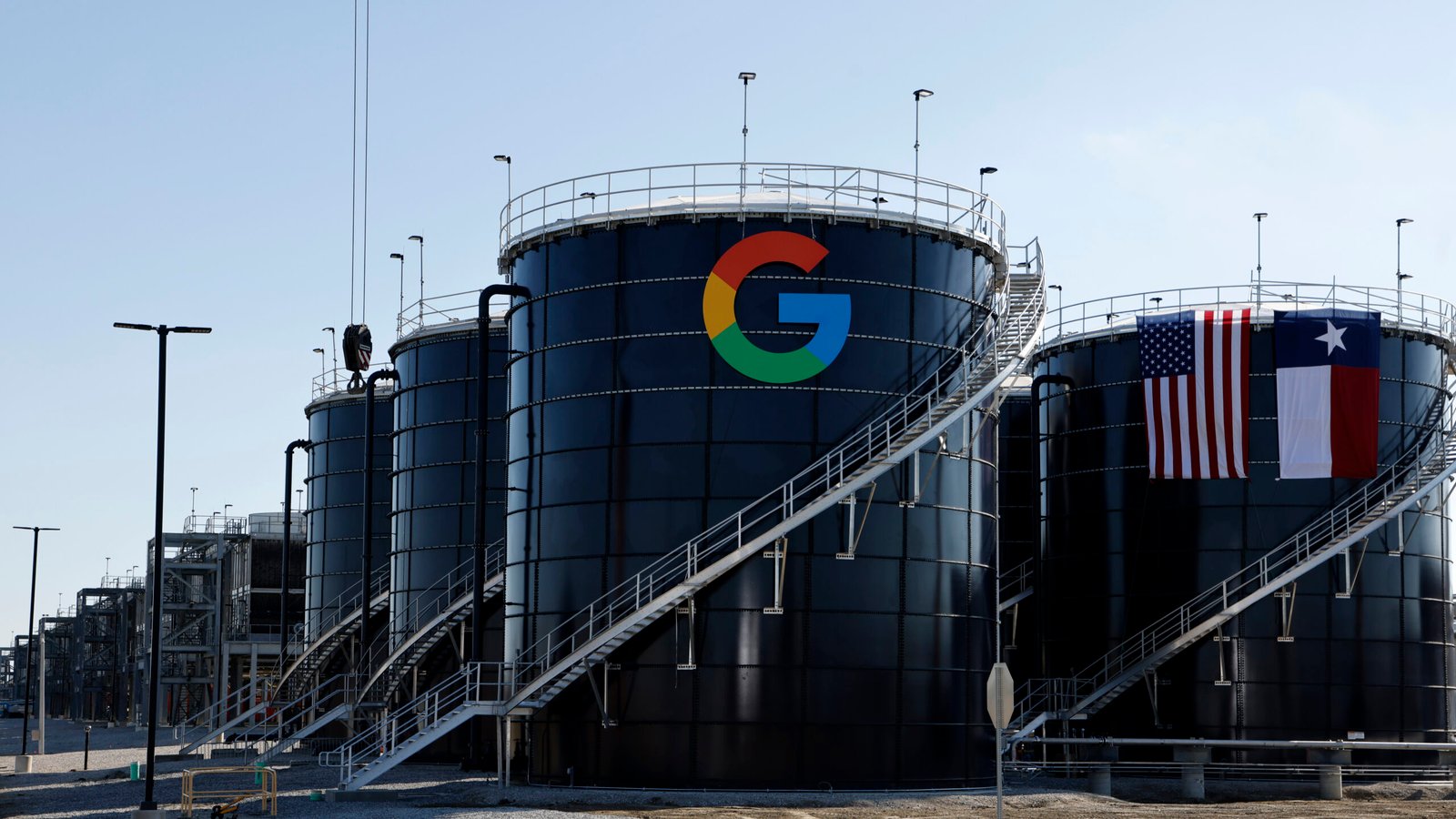
The company’s overall carbon footprint for 2025 came to about 14.5 million metric tons of carbon dioxide equivalent. When comparing this to emissions by country, Google is somewhere between Ivory Coast and Panama at about 100th place.
The carbon-free energy goal
Google has been matching 100 percent of its electricity consumption with renewable energy purchases every year across its global operations, a practice that it has adopted for nine years running. In 2025, the company’s purchase agreements encompassing 12 gigawatts of “net-new clean energy” represented the largest annual total in the company’s history.
But it also acknowledged that companies can merely claim to rely on 100 percent renewable power while still using power generated by fossil fuels in local power grids. Accordingly, Google says it has renewed its emphasis on a “24/7 carbon-free energy ambition” that gets into more granular accounting by focusing on certificates representing hourly and local matches for clean energy.
To its credit, Google has become one of the world’s largest investors in clean energy technology, according to Michael Thomas, CEO of the Cleanview data platform that tracks renewable energy and data center projects. But his analysis of Google’s data center power strategy suggests that Google has pivoted to an “Everything Everywhere All at Once” strategy that encompasses everything from renewables to natural gas generation.
Google’s broader investments include efforts to commercialize “advanced nuclear, fusion energy, enhanced geothermal, long-duration energy storage, and natural gas with carbon capture and storage.” The company’s sustainability report highlighted investments of more than $3.8 billion between 2010 and 2025 that are expected to bring 7.5 gigawatts of clean energy online.
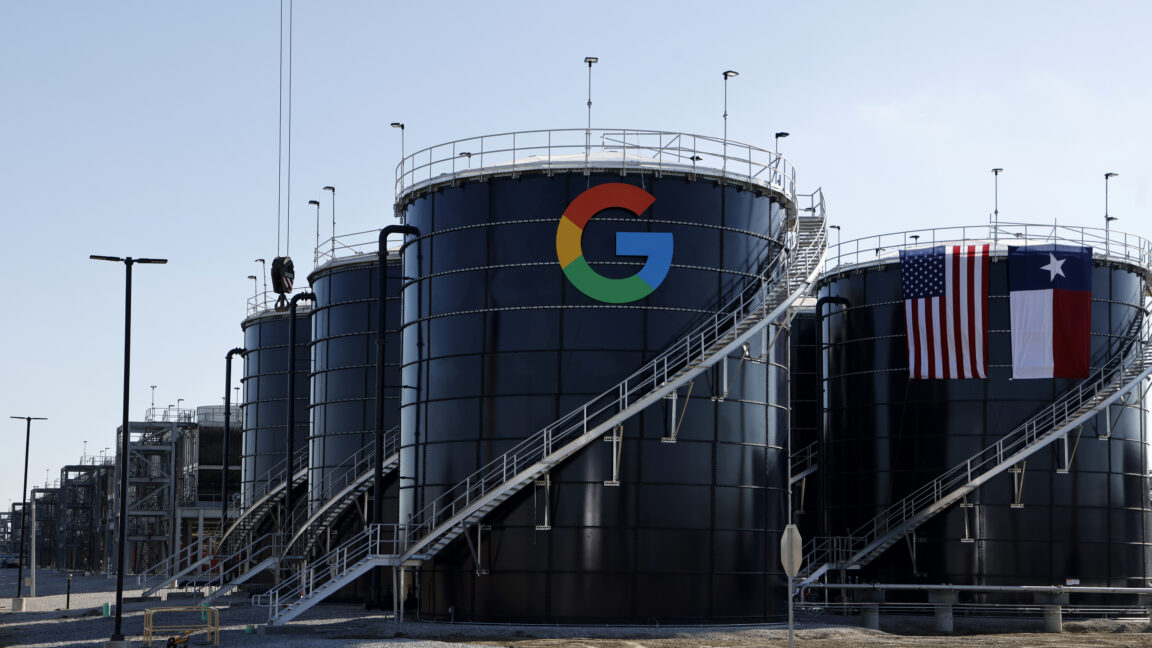
However, in an April 2026 newsletter, Thomas pointed to Google’s $40 billion investment in Texas data centers as including a campus potentially powered by a 933-megawatt natural gas power plant without carbon capture technology. The natural gas plant’s turbines could produce 4.5 million tons of carbon dioxide annually.
A Google spokesperson told Thomas that the company has not yet signed an agreement for how much power Google’s data center might draw from the natural gas plant.
This story was updated on July 2, 2026 to add more context on Google’s total carbon footprint and emissions.