dailynewsnblog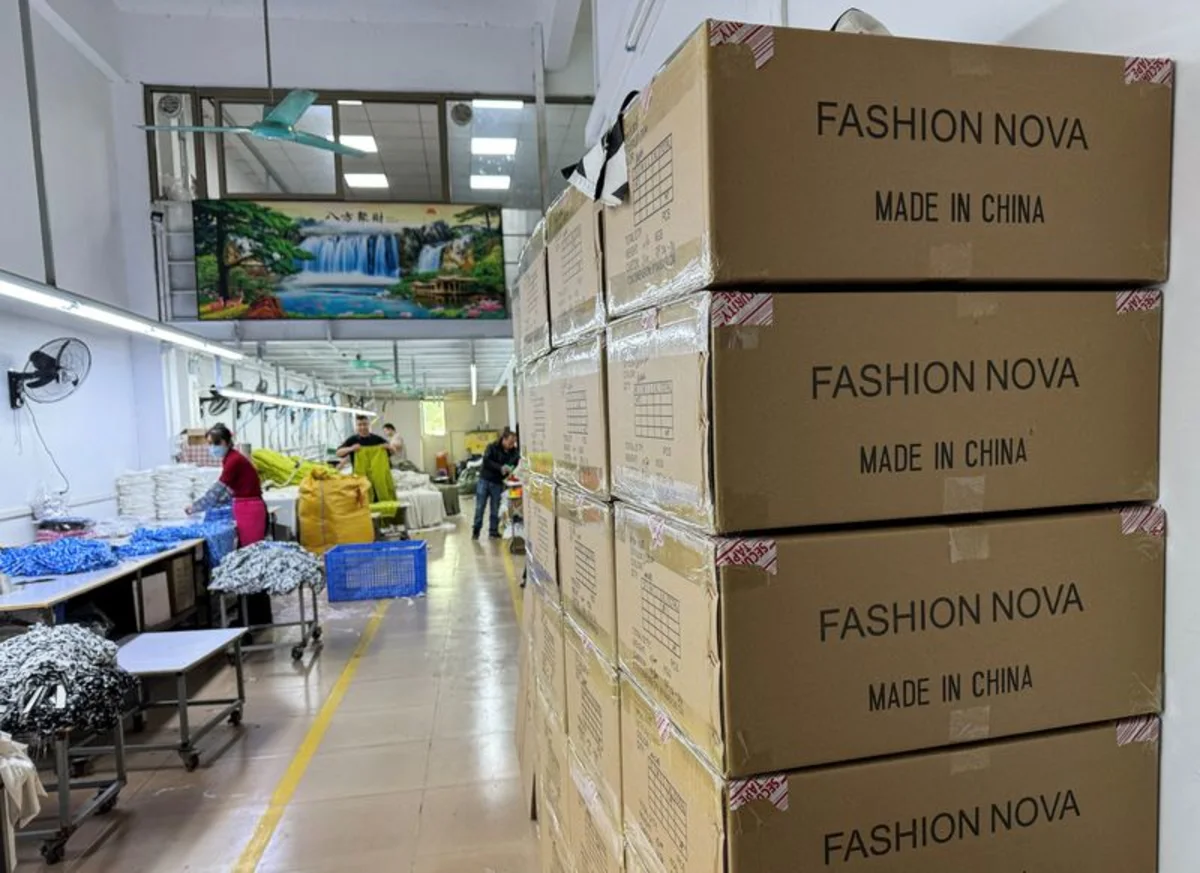
By Ellen Zhang and Marius Zaharia
June 30 (Reuters) – U.S. retailers have brought forward orders from China by four-to-six weeks to secure their inventories for Black Friday and Christmas holiday sales before expected tariff hikes later this year, shipping executives said.
U.S. President Donald Trump’s visit to China last month has preserved the detente between the world’s two largest powers, but uncertainty remains high.
A universal 10% U.S. tariff imposed by Washington in February, after the Supreme Court declared some earlier tariffs illegal, expires on July 24, but it is widely expected to be replaced with higher levies.
The U.S. Trade Representative has proposed a 12.5% tariff on imports from China and elsewhere following an investigation into forced labour, which Beijing denies, with a final decision expected in coming months.
“There is an expectation that tariffs could be raised again, or restored to previous levels, so everyone is rushing to get goods in before that happens,” said Tony Meng, a China-based senior sales manager at shipping firm XPD Global.
U.S. EXPORTS EXPECTED TO STAY STRONG IN JUNE
Usually such orders peak in July-September but shipping firms said volumes in May and June were higher than expected, contributing to a spike in shipping prices.
The frontloading means that the 35% growth in U.S. imports from China in May, which overshadowed April’s 11% growth and March’s contraction, could be sustained in June but may fade later in the summer.
Exports have been a key growth driver this year for China, compensating for structural weakness in domestic demand and building on a strong 2025 when the world’s second-largest economy posted a record $1.2 trillion trade surplus.
China’s top U.S. export items by value in May included smartphones, lithium-ion batteries, solid-state drives, toys, kitchenware and festival products. June data will be released on July 14.
Shipping group Maersk said in a statement to Reuters that container space has been tightening on the China–U.S. route since mid-May, due to “stronger customer demand and earlier seasonal bookings.”
A China-based shipping executive, who requested anonymity because he was not authorised to speak to the media, said back-to-school items such as stationery and apparel were part of the May-June frontloading, while early Christmas stockpiling also played a role.
He added May’s rise was also due to soccer World Cup-related orders, including jerseys, flags, souvenirs and large-screen TVs. The U.S. co-hosts the tournament with Canada and Mexico.