dailynewsnblog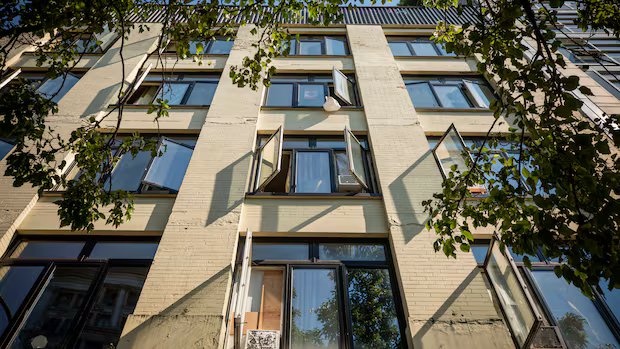
What On Earth32:32 Five years after the deadly heat dome, are we any safer?
When you think of extreme weather in Canada, thigh-high snow drifts may no longer be the first image that comes to mind. Instead, heat waves and wildfires are steadily emerging as a threat to our health and the environment.
Despite this, most residential bylaws only account for cold weather, requiring buildings to have heat in each unit and adequate insulation.
But as temperatures and deaths connected to heat keep climbing, more tenants, politicians and climate advocates are calling for comparable cooling rules. During municipal debates — from councils in British Columbia to Newfoundland — the same question keeps coming up: who should pay for the upgrades?
The first maximum heat bylaw
On June 8, New Westminster, B.C., is believed to become the first Canadian council to enact a maximum heat bylaw: all rental units must have at least one living space — not including the bathroom — with a “safe indoor temperature of an average of 26 C” between 8 p.m. and 8 a.m.
The law garnered increasing support in the wake of the 2021 heat dome, which led to 619 deaths, according to the B.C. Coroners Report. Many of those who died were seniors or people with disabilities or underlying health conditions worsened by the heat.
But another common thread emerged: many of the deaths were those who lived in low-rise, walk-up style apartments, typically built between the 1960s and 1980s and are now often more affordable housing, said the New Westminster councillor who tabled the bylaw with a colleague.

“We had 33 people in our community die as a result of [the heat dome],” Coun. Nadine Nakagawa said, the highest per capita death toll.
“In large part it is because of the type of housing stock that we have actually been successful in preserving …. The unfortunate thing is that they weren’t built for this type of climate.”
The maximum heat bylaw piggybacks on another initiative Nagakawa championed: last year, council prohibited landlords from banning the use of AC units, a measure Ontario will also introduce July 1 through its Residential Tenancies Act.
The latest New Westminster bylaw, however, does not require landlords to provide any specific upgrades, like AC units or heat pumps, to tenants. That would force many older buildings to get retrofitted to meet an increased electrical load — a cost tenancy advocacy groups are leery could translate into higher rents.
“It’s really flexible,” Nakagawa said of the bylaw, noting things like window glazing, shading or other passive solutions could work in some cases.
“But it’s on the building owner to actually find the solutions.”

Heat bylaws across Canada
Other regions are considering similar measures, with increased heat-related deaths and hospitalizations adding to provincial health-care costs.
Across Canada, a reported 3,753 people were hospitalized between 2005 and 2023 for heatstroke or an underlying condition aggravated by the weather, according to a federal study published July 2025. During the extreme heat that’s projected to become more common with climate change, those numbers will only increase. During the 2021 heat dome, for example, the average number of patients quadrupled.
A maximum heat bylaw has been debated in Toronto since Coun. Josh Matlow first proposed it in 2012, with it most recently making it to the “framework” stage.

In Hamilton, residents will wait at least another summer for a bylaw after council first asked staff to write a draft three years ago. Earlier this month, it was delayed again.
In B.C., new residential builds must have at least one room that stays under 26 C, according to updates to the provincial building code in 2024.
In Newfoundland and Labrador, there’s a campaign underway to mandate cooling in all long-term care and seniors facilities, while in Halifax, the tenant advocacy group ACORN is calling for a maximum heat bylaw akin to New Westminster’s.
In short, it’s a real mishmash.
But Shauna Sylvester hopes a pilot project in B.C. to retrofit at least 5,000 apartment and condo buildings — many of them the older, low-rise that are of most concern — could become a model for the rest of the country.
A model for change
The owners of more than 1,000 of these buildings have already signed, said Sylvester, founder of Urban Climate Leadership.
As part of the project, the public and/or private sectors would need to invest in training to develop a workforce to install heat pumps and upgrade the buildings’ energy load capacity, Sylvester said. Her projections suggest it could translate into 1,900 new jobs a year, provided the provincial government approves funding for 5,000 buildings — something that has yet to happen.
While her report suggests several types of financing, a key component would be to have the federal or provincial governments act as guarantors for private financing through what’s known as a loan loss reserve.
That loan loss reserve would be critical for older housing units in particular, she said, because it can be hard to secure financing since they can be considered depreciating assets.

With summer heats soaring, at least one Canadian city is considering mandating a maximum temperature in some housing units, but some advocates say cities should go even further.
But Sylvester said she’s hopeful. She believes landlords recognize that regulations could soon force them to retrofit for cooling and, hopefully, this project could be a cost-effective way for them to do so now.
But the cost will not, she said, be passed down to tenants.
“It’s not like writing a blank cheque,” she said, noting acceptance into the program would mean a commitment that tenants are not paying for it.
“There are strings attached that say, ‘No, tenants don’t absorb this cost.’”
Mohammed Rafi Arefin, however, says there’s significant research to suggest that when environmental regulations are adopted, tenants often bear the costs — unless there is another source of funding.
How to pay for it
Arefin, an assistant professor at the University of British Columbia who teaches urban environmental politics, said he worries landlords will use a clause that allows them to increase rent for three years, by up to 3.1 per cent, to recoup capital costs. Those increases are on top of the annual provincial rental increase cap, which is tied to inflation.
“It pits affordability against the basic habitability of lots of B.C.’s rental buildings in the climate crisis,” he said.
Toronto council has raised similar concerns in the past.
But the councillor who proposed a maximum heat bylaw nearly 15 years ago said the worry is undermined by the fact “many landlords already max out their allowance” for capital cost increases on other improvements.
“Every year, city staff have found another reason why [a maximum temperature bylaw] isn’t possible to do,” Matlow told council in May, “even though it is reality in many jurisdictions,” including Tucson, Ariz., and Dallas.
Federal funding could be an option, Arefin notes. Ottawa offered roughly $2 billion between 1974 and 2001 to retrofit older housing stock through its Residential Rehabilitation Assistance Program, which has since expired.
While renewing a similar fund could be an option, he said, he would prefer to see a tax on the oil and gas industry to subsidize renovations.
“That would actually ask the industry and the actor that’s driving the conditions that create extreme heat … to shoulder the burden rather than tenants who are already struggling in a housing crisis.”
The most important issues are that tenants be protected, Nakagawa said — both from extreme heat and the cost of keeping cool.
“If your building is getting hot enough that your tenants are going to die in it, I think that [making it safe] is the cost of doing business.”