dailynewsnblog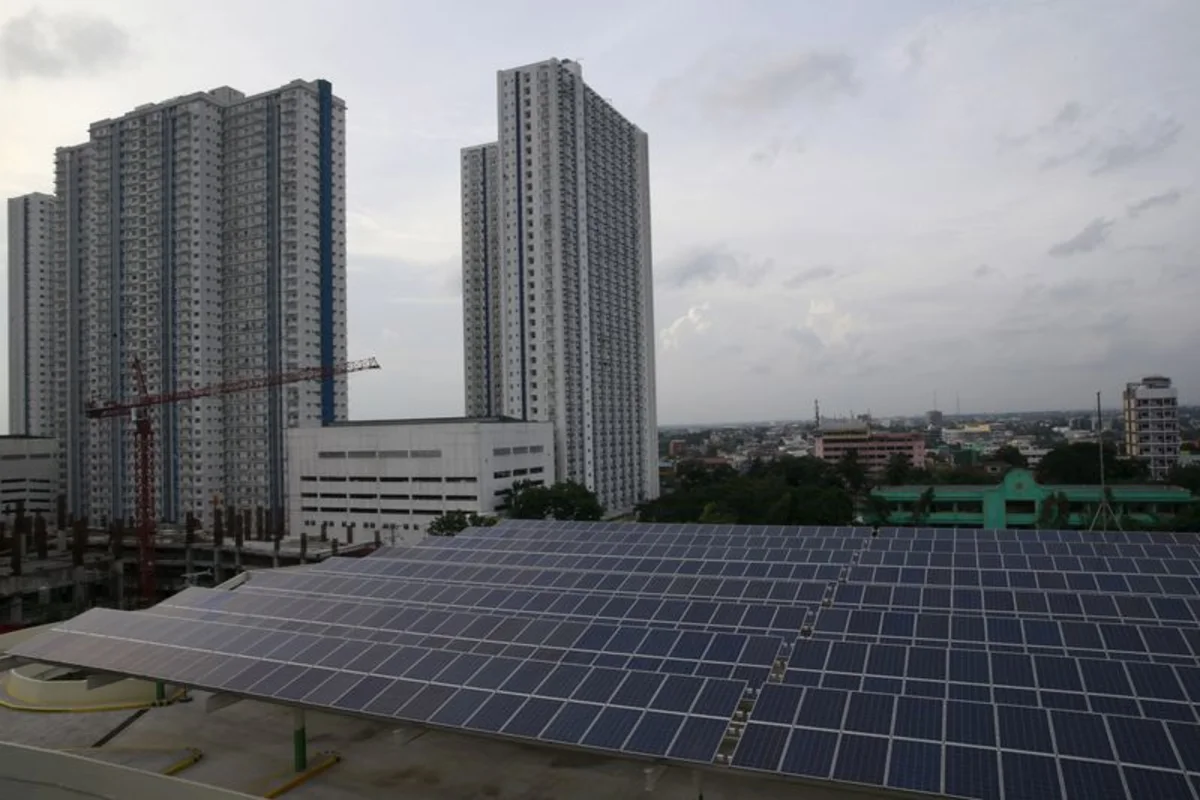
By Sudarshan Varadhan, Ruth Chai and Adrian Portugal
SINGAPORE/MANILA, June 29 (Reuters) – People in the Philippines are flocking to install solar power on rooftops and escape the burden of soaring electricity prices, making it the world’s biggest spender on solar panels since the war in Iran started.
Top power distributor Meralco has raised prices by 10% since the Middle East conflict began in late February. Now, a median household spends around 12% of monthly income on electricity, assuming it consumes 200 kilowatt-hours — approximately the monthly average for three people.
The Philippines is one of the few countries in Southeast Asia with barely any power subsidies, and its residential power prices are the highest in the region. Only Singapore comes close, but its citizens’ average purchasing power is nearly 13 times higher.
Adrian Sabatera, a 39-year-old software engineer, thought about getting solar for years but found it too costly. That changed as costs came down and electricity prices kept rising.
“I wouldn’t be shocked if a third of the middle-class population eventually finds their way to this setup,” Sabatera said after recently pulling the trigger on a 570,000 peso ($9,300) installation at the Manila house he shares with three others.
The rooftop solar rush has resulted in $407 million in panel imports in the three months through May, a 145% increase from a year earlier, according to trade data from China, which accounts for most global supply.
Even when Chinese panel shipments fell 13% in May after a tax rebate removal, exports to the Philippines rose by almost a third.
On paper, the Netherlands remains a larger market for panels, but experts say that’s because it is a transshipment hub.
SURGE IN INQUIRIES
Philergy German Solar, a Manila-based installer, received more than 2-1/2 times the number of customer enquiries in the first five months of this year compared to last year. At one point it fielded 3,000 inquiries a day, according to managing partner Jochen Staudter.
Customers are deciding to buy “much faster than before,” Staudter said. “Demand will continue to be driven by high electricity prices.”
In two years, distributed solar capacity could nearly triple to 3,500 megawatts (MW), matching the current size of the Philippines’ utility-scale solar fleet, as loan payback times shrink to 3.1 years from 4 years, said Alnie Demoral, analyst at energy think tank Ember.
Solar accounts for under 4% of national power consumption, government data shows.