dailynewsnblog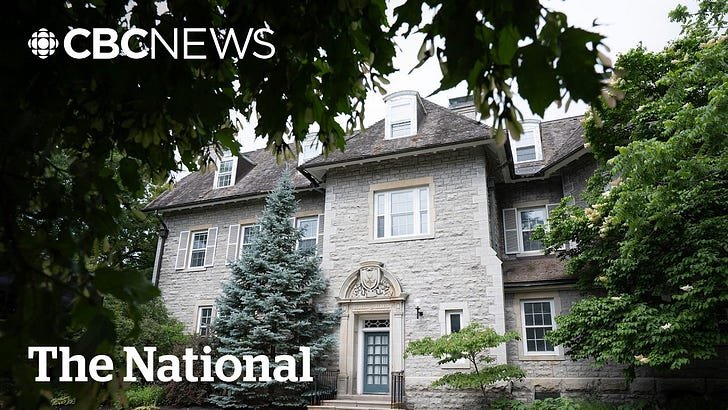
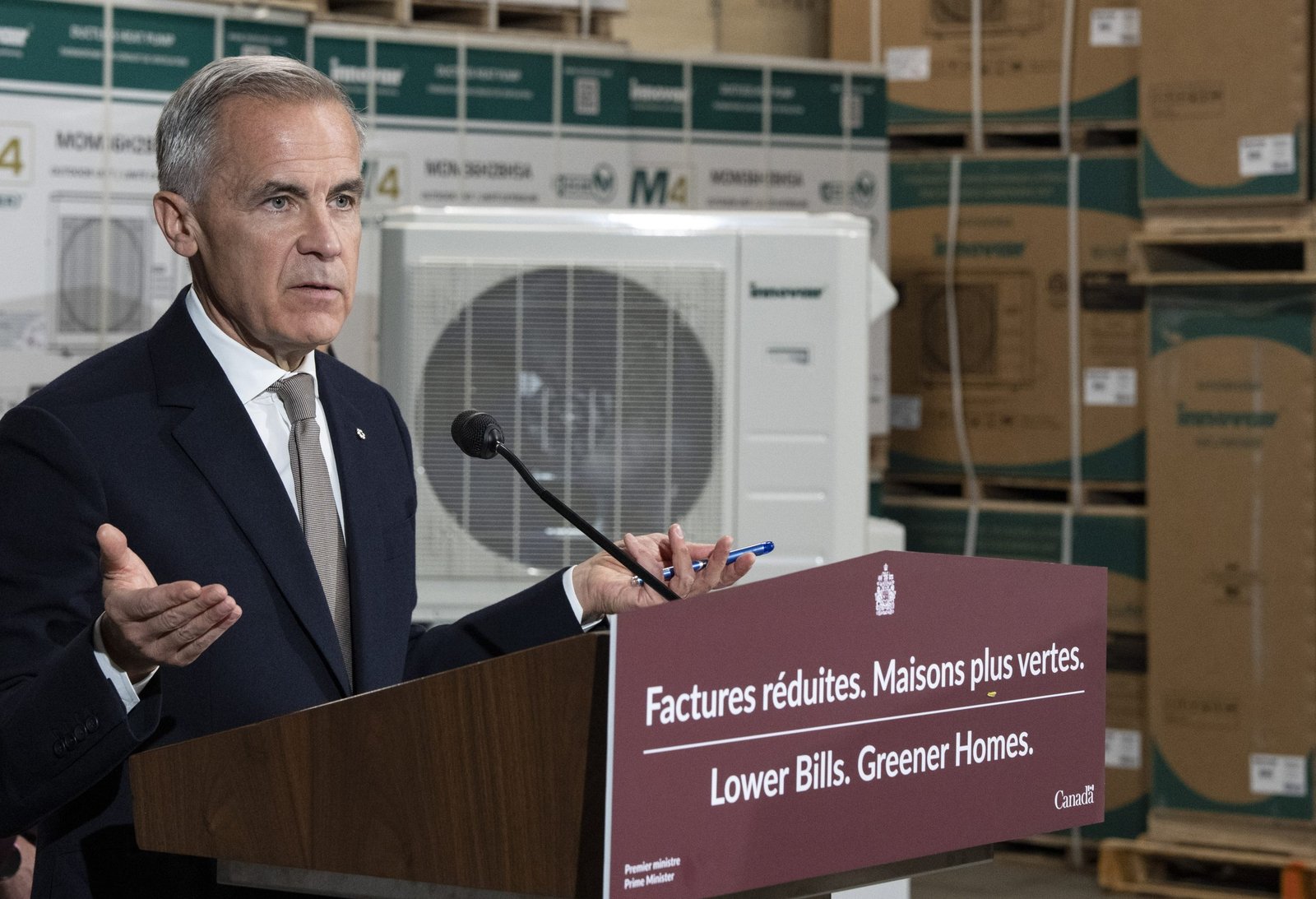
The Prime Minister has announced the plan to renovate our nation’s rodent-infested asbestos-filled official residence using private donations while assuring us that he will never use it himself. Why are we as a country more embarrassed by the existence of a Prime Minister’s residence than by its dilapidated state?
A Prime Minister’s residence is not a mere formality, nor should it be seen as nothing but perk of the job. Aside from the practical impacts of having a permanent secure facility with the social infrastructure to welcome nations and the communications infrastructure needed to run a country in a crisis that does not need to be moved every time its occupant changes, it is a symbolic representation of how the country sees itself.
We are known for our self-deprecating humour. We are world-famous for selling off our raw resources and buying back the value-added products that they made. We Canadians have a reputation for apologising when someone else steps on our toes.
We are largely a caring, polite society, which is why so much of the country recoils in muted horror at how our neighbours to the south carry themselves. In fact, we live as a reaction to that southern reality.
The official residence of the leader of our national government would, in any other context, be a condemned building. Unmaintained for so long that it is simply no longer safe to occupy, it is a statement in how Canadians are perennially embarrassed to show any pride in who we are.
We look at the ostentatious pillars of the White House and we say: that is not who we are as a country. We will not spend our pooled resources on something so apparently pointless, something that does not serve am obvious greater good.
Which takes us to now, with the Prime Minister living in the Governor General’s guest house at Rideau Cottage. His official residence is entering its second decade unoccupied, stripped to the studs, a construction site without a plan. No Prime Minister has wanted themselves or their government to be involved in fixing it, lest it be seen as selfish, as an investment in their own comfort, in fear that they be accused of spending on themselves while citizens still have unmet needs. It is a tacit acceptance of the implication that the residence is a mere perk, not a building of greater symbolic importance.
Eventually, though, we have to pee or get off the potty. Pragmatically speaking, 24 Sussex should probably be torn down and rebuilt from scratch, but it is the official residence of the Prime Minister. We don’t just tear down buildings of symbolic importance, even if the symbolism has become that we are embarrassed to take pride in ourselves as a country. So we must decide what to do with it.
The Prime Minister, wanting to solve this problem as he ruthlessly and methodically solves so many others, offers a compromise. It needs to be redesigned and rebuilt, which needs an architectural plan, and he is preparing a competition open to Canadian firms to come up with the best one. Perfect.
But to pay for it, he does not want to commit government funds, even now, turning to the Rideau Hall Foundation to accept charitable donations for the cause. And to avoid any appearance of conflict of interest between himself and his nation, he is committing never to live in the resulting residence. So Canadians, if you want the next Prime Minister to have an official residence worthy, put your money where your mouth is and donate to the project!
In so doing, we are turning to private donors to solve this problem of the public perception of ourselves as a country. The irony is profound. The house that, along with the Governor General’s residence at Rideau Hall across the street and the nation’s other official residences, represents how we see ourselves is not even worthy of us as a country investing in it with our pooled resources.
It is not really a question of money. We are spending billions restoring the entire Parliamentary precinct in a generation-long project creatively called the Long Term Vision and Plan. Modernising 24 Sussex would be a rounding error in the context, and should probably be folded into that plan.
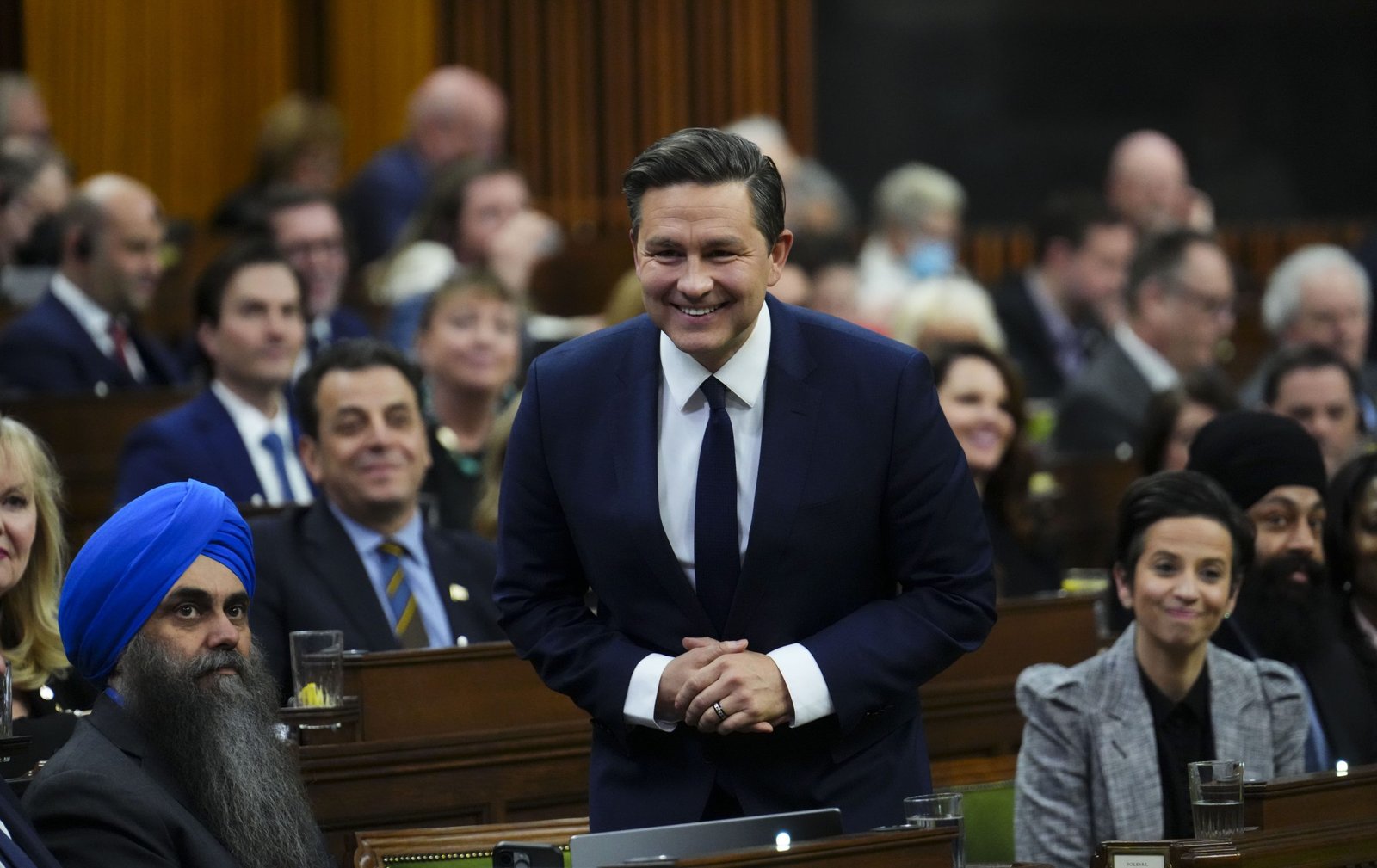
Pierre Poilievre, who lives in another deeply symbolic publicly funded mansion, says that we should not waste our time and energy fixing the Prime Minister’s residence. But the leader of the opposition in our country should have security and social infrastructure in the same way as the Prime Minister does, not because he is seen as the ‘Prime Minister in waiting’ but because we are a country that is open to debate and dissent, one that takes pride in allowing the government to have a functional and effective opposition, that celebrates the fundamental underlying democracy that it represents.
It is that attitude, that easy political point of saying how dare we maintain a public building used by a politician, that has brought us to where we are.
The Prime Minister is right to make a plan to renovate the building. He is neutralising it as a political issue by committing to not living there himself, but in so doing is tacitly accepting the accusation that it is a mere perk of the job.
The problem with soliciting donations, as much as the symbolism, is that private money has no business in public projects. It does not matter if the donor list is public. It does not even matter if there are donation limits. The average person will not donate to such a project, so its promoters will have to go after moneyed interests who want their name on a plaque at the front door of the Prime Minister’s residence. This project is not a question of charity, not a problem to be solved through philanthropy.
Seen together, having private funds fund the private residence of the Prime Minister offers a whole new level of symbolism that Canadians did not ask for and will ultimately not find welcome.
Funded by private donors, the question of who has an interest in contributing as an individual, and why, will never be satisfactorily answered. In the short term, it will probably be a spectacular rebuild. There is no doubt that the competition will find a practical yet worthy design. But in the long term the donations will dry up, the symbolism broken, the underlying doubts about its noble and symbolic purpose confirmed, and the stigma on using public funds strengthened rather than broken, taking us right back to where we are today.
We must have the courage of our convictions as a country to ensure that buildings like this are maintained permanently, properly, and appropriately by a non-partisan government body. The National Capital Commission already owns the land and building and has a role to play in this regard. It is not, and should not be, a political question. This is a national building and should be maintained with public funds, and done so with pride.
To give in to Conservative talking points about the inherent selfishness of investing in an official residence for the Prime Minister, while unironically using official residences themselves, is to wave the white flag of surrender over 24 Sussex.
It is time to have enough pride in ourselves as a country to, at the very least, evict the rats from the residence.